Showing 37–48 of 66 resultsSorted by popularity
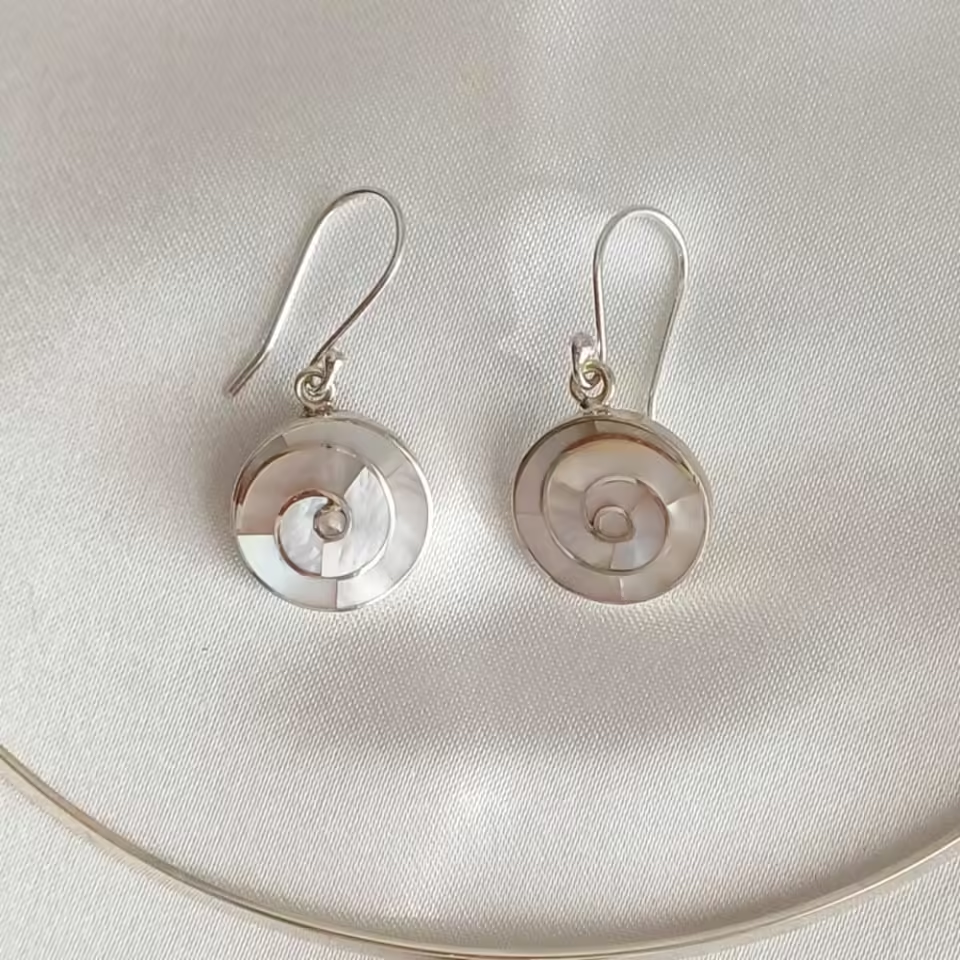
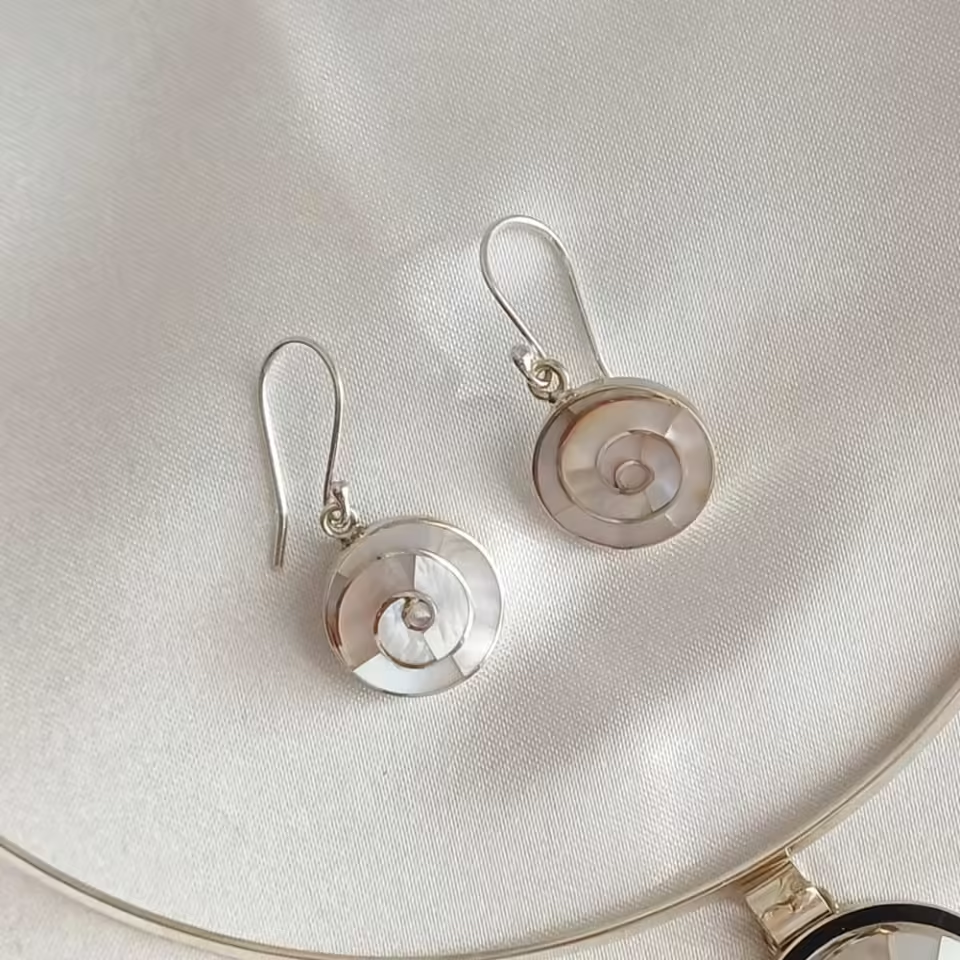
The Inca Mother Earth and Pachamama spiral in the Quechua language is an ancient symbol of unity, wholeness and completion. It represents the endless cycle of life and a path to the Creator.
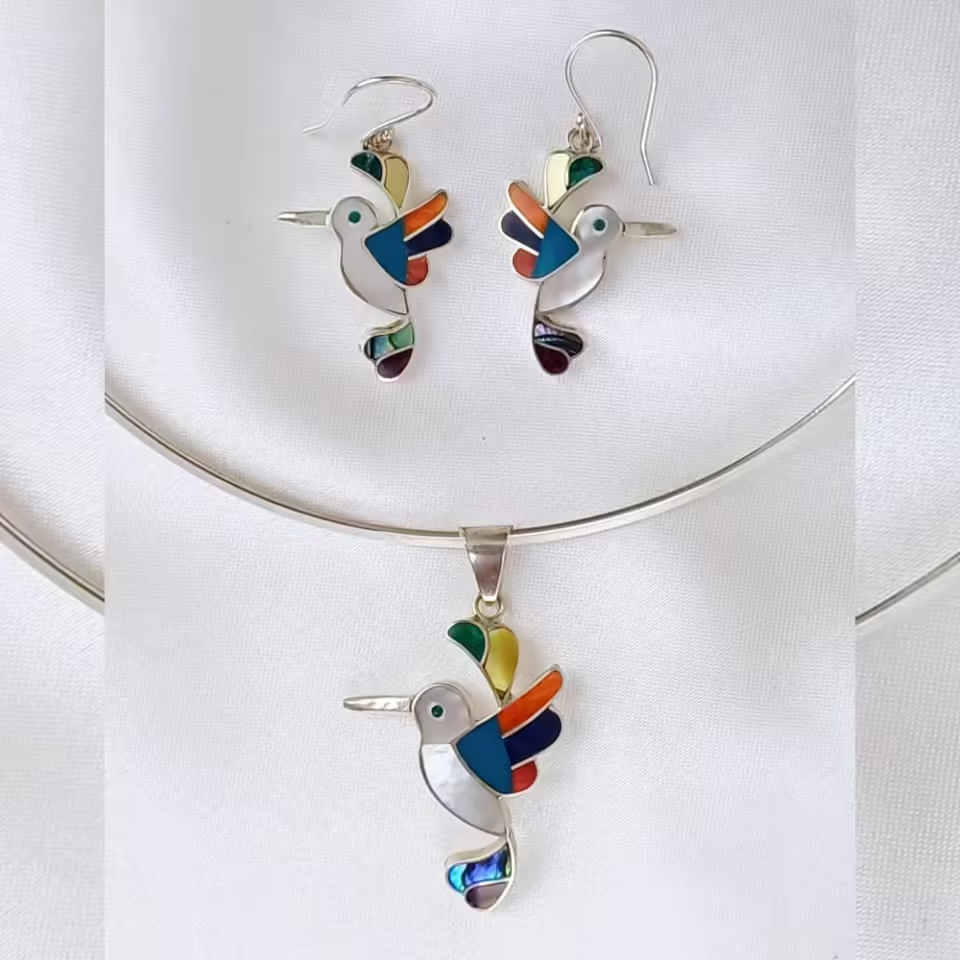
Inca culture viewed the hummingbird as a celestial messenger, while the condor was the primary spiritual messenger from the upper world. The hummingbird was significant for advancing human consciousness.
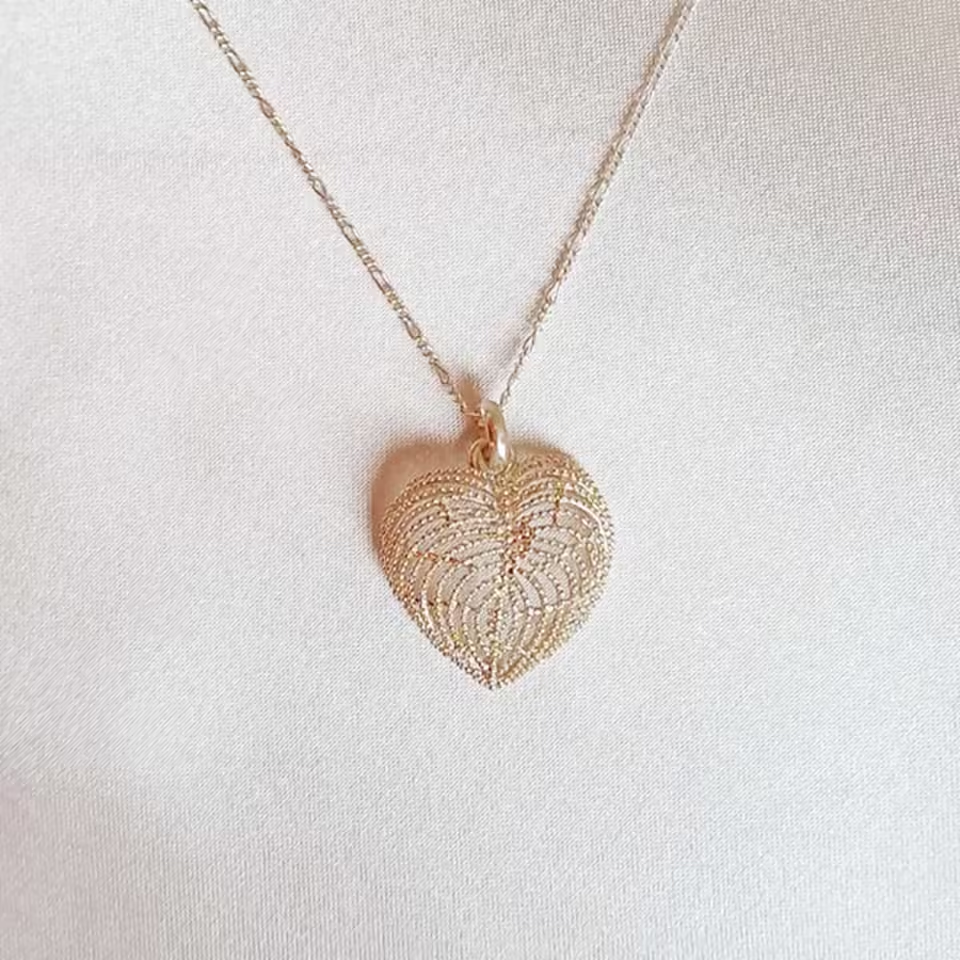
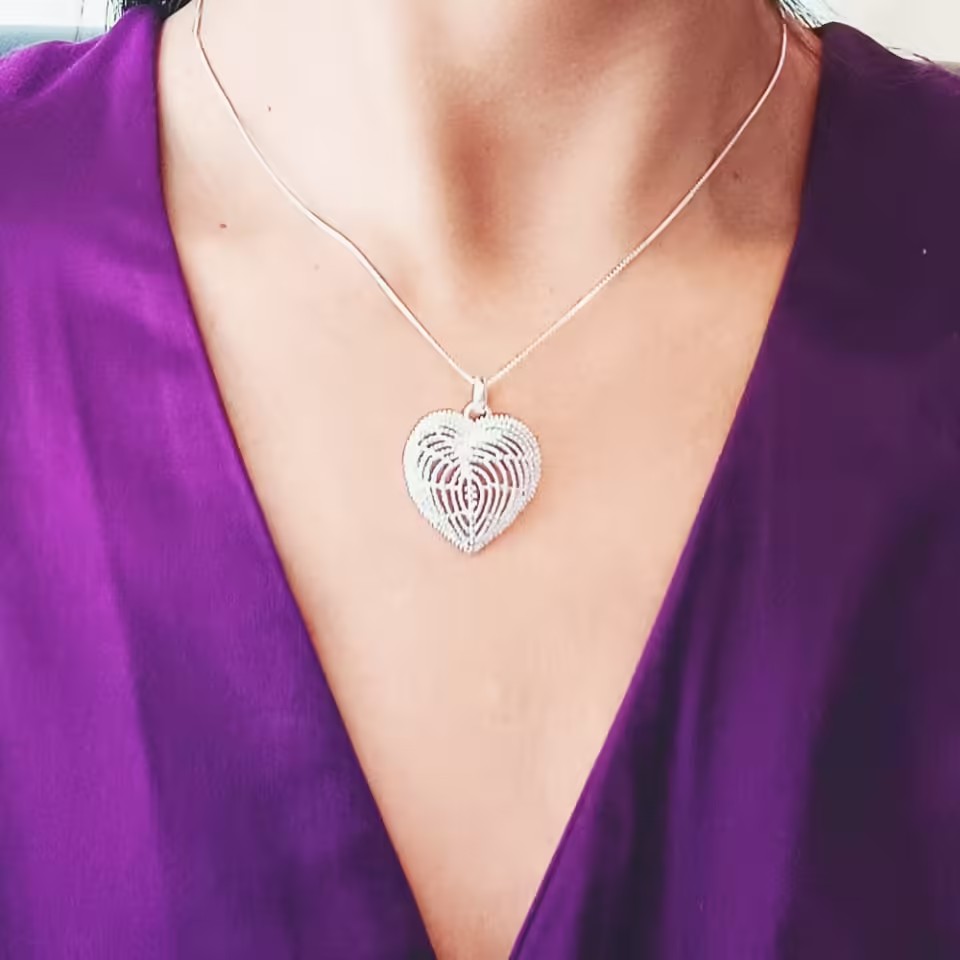
The heart symbol is an ideograph used to express the idea of the “heart” in its metaphorical or symbolic sense. Represented by an anatomically inaccurate shape, the heart symbol is often used to represent the center of emotion, including affection and love, especially romantic love.
Among the Moche, the owl, known for its nocturnal skills, is depicted in ceramics and metal. It aids shamans in their supernatural journeys and symbolizes sacred power, connecting specific individuals to the divine world.
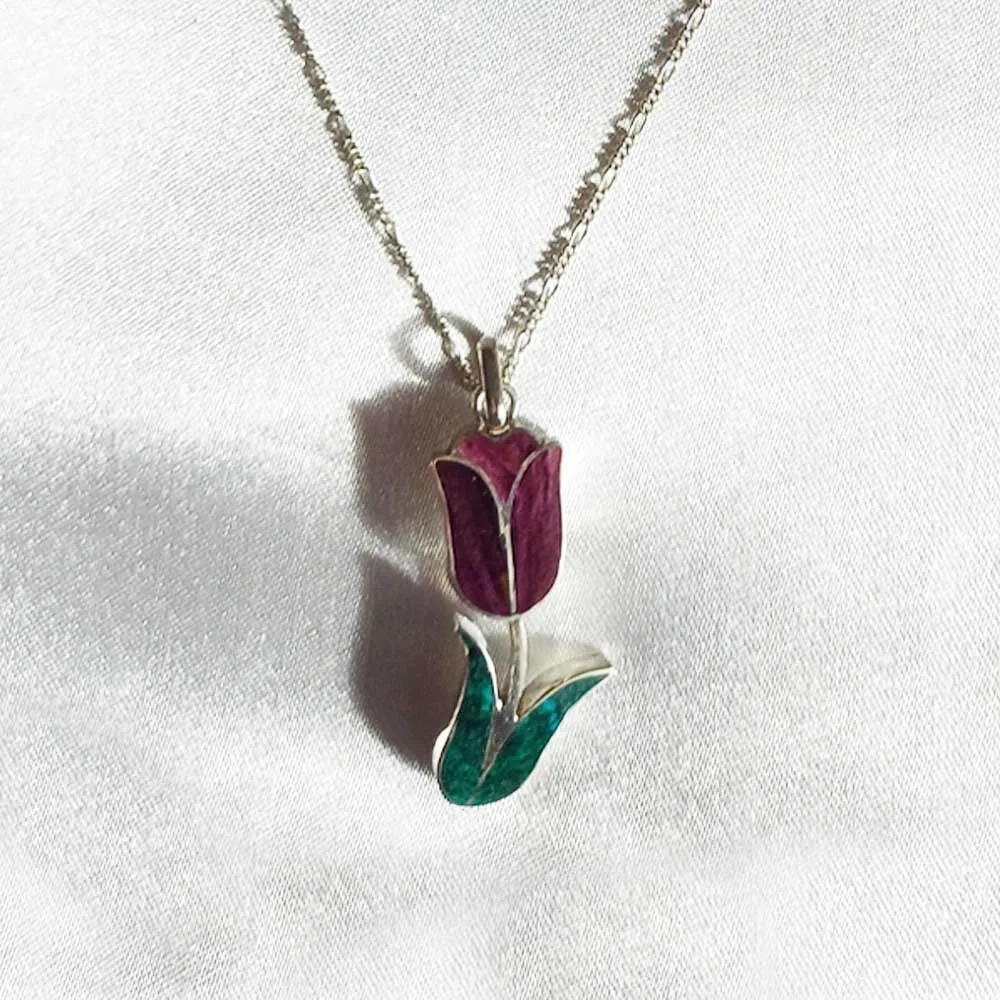
Tulips are widely associated with the meaning of perfect and deep love, making them a classic symbol of affection for partners, children, parents, or siblings.
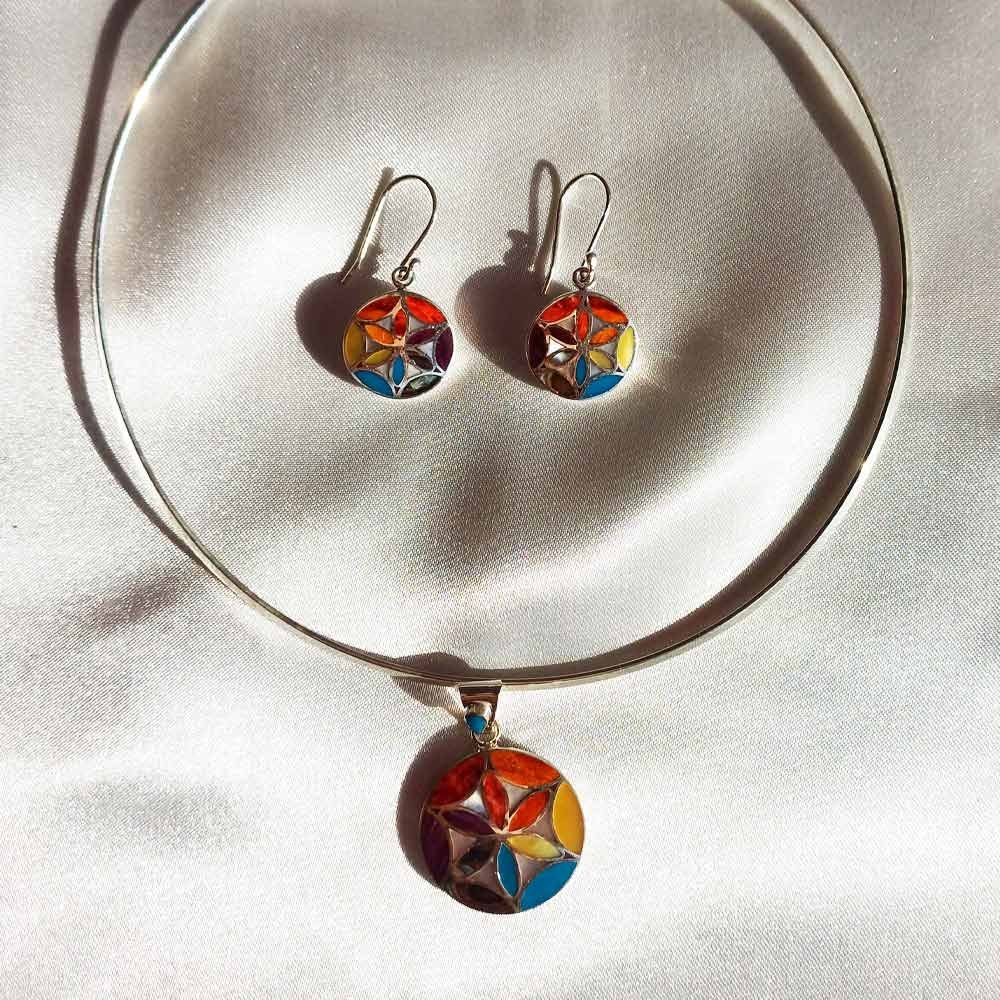
A mandala symbolizes the ideal universe and its creation represents a shift from suffering to joy. It serves as a meditation aid, guiding the meditator toward self-improvement.
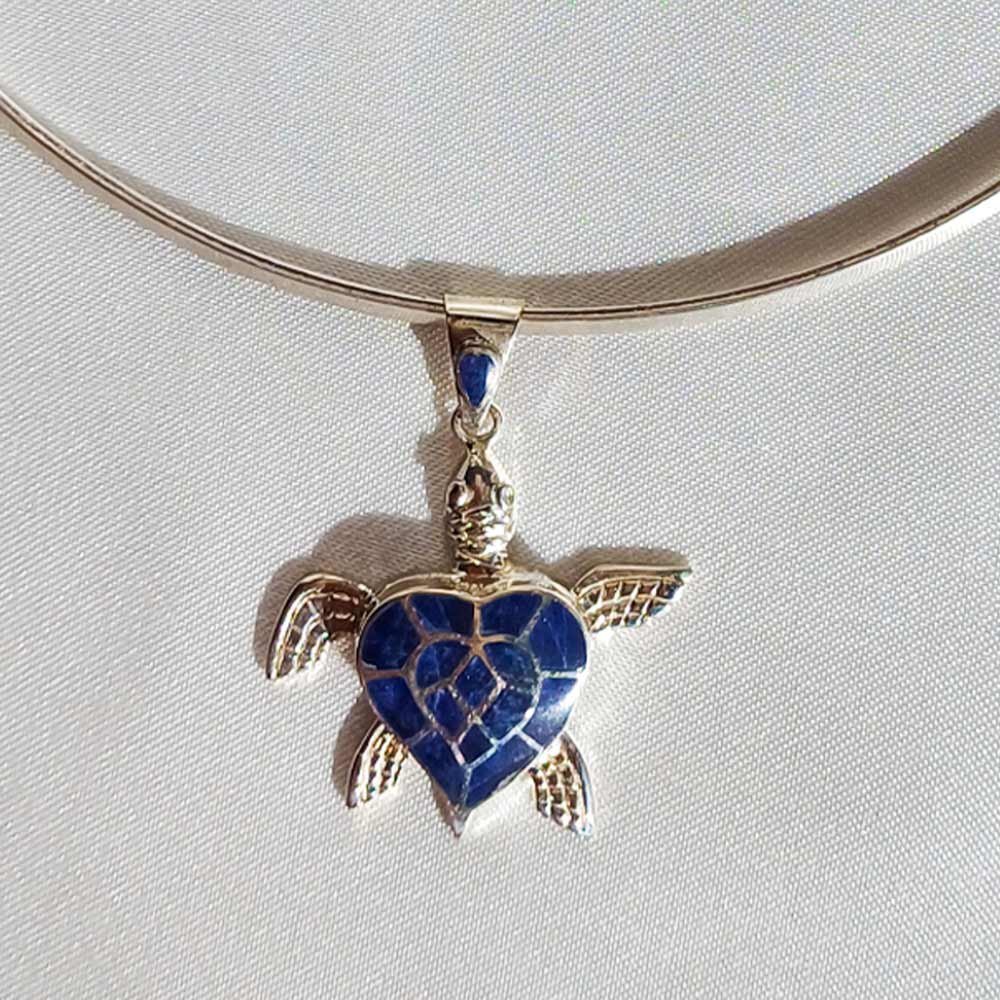
The turtle is a symbol of spiritual rebirth and transformation in various cultures. Its ability to go underwater and resurface represents renewal and spiritual protection.
The Inca calendar, tailored to the Cuzco Valley environment and culture, served as the basis for governing the Inca Empire. It featured 12 synodic months, calculated from one new moon to the next.
The daisy flower symbolized motherhood and childbirth and through that was associated with love, sensuality, and fertility.