Showing 97–108 of 154 resultsSorted by popularity
The turtle is a symbol of spiritual rebirth and transformation in various cultures. Its ability to go underwater and resurface represents renewal and spiritual protection.
The Inca calendar, tailored to the Cuzco Valley environment and culture, served as the basis for governing the Inca Empire. It featured 12 synodic months, calculated from one new moon to the next.
The Quipu, or khipu, was used by the Incas and Andean cultures to record and convey information. This ingenious device, without a written language, utilized colors, strings, and knots at different heights to record various data, including dates, statistics, accounts, and even abstract folk stories and poetry.
Among the Moche, the owl, known for its nocturnal skills, is depicted in ceramics and metal. It aids shamans in their supernatural journeys and symbolizes sacred power, connecting specific individuals to the divine world.
The Lambayeque people of 750 AD were skilled in metallurgy and goldsmithing, creating the “Tumi,” a ceremonial dagger for sacrifices to God Naylamp. It symbolized divine power, hierarchy, prestige, and lineage, exclusively held by the nobility.
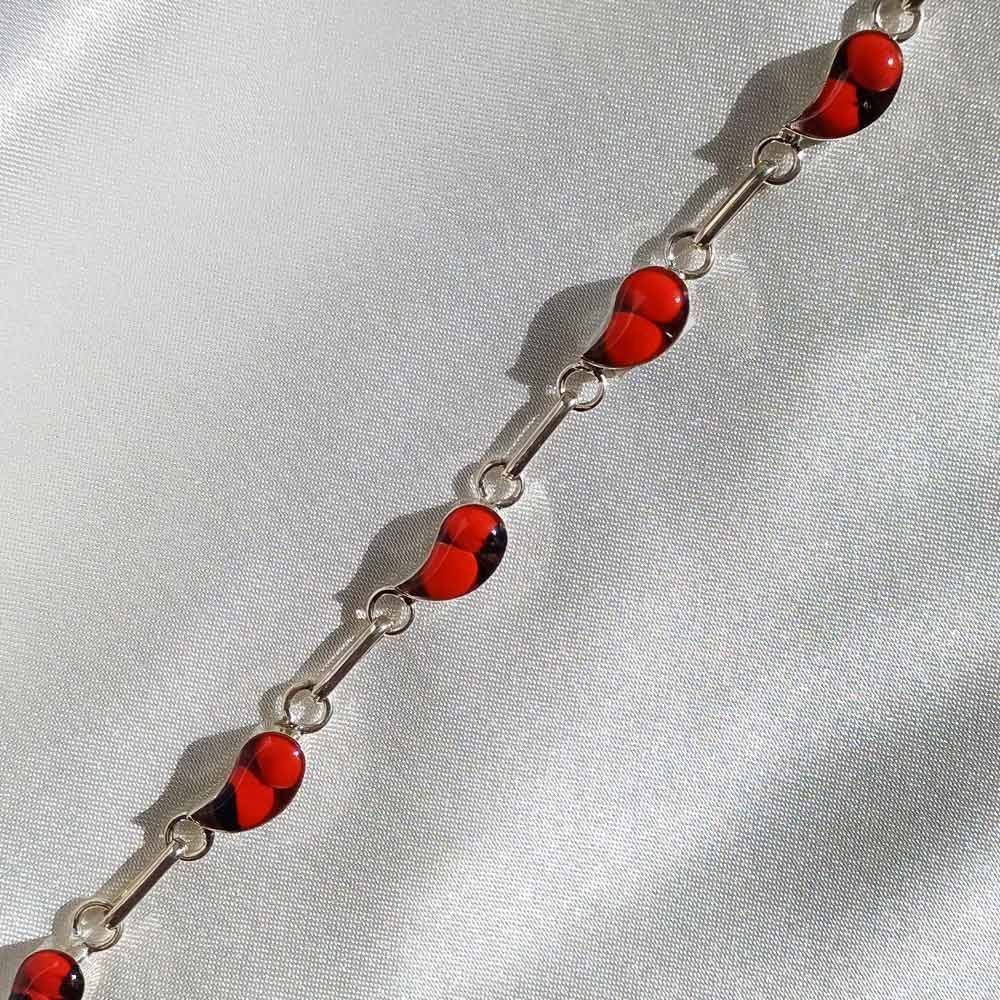
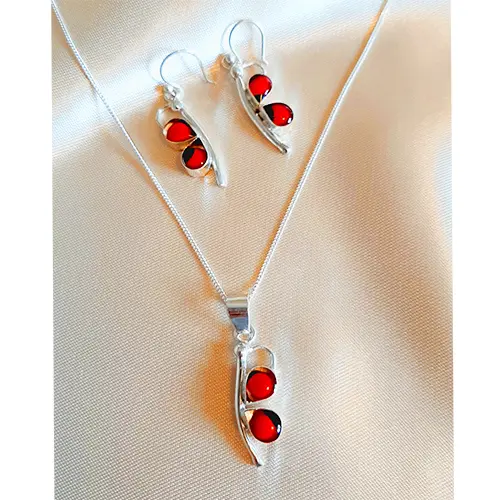
Native Peruvians consider seeds to bring positive energy, happiness, fertility, good luck, and protection from negative energy. They craft huayruro bracelets for newborns to ensure their safety.
A mandala symbolizes the ideal universe and its creation represents a shift from suffering to joy. It serves as a meditation aid, guiding the meditator toward self-improvement.
In spirituality, roses carry deep and varied meanings, often tied to their color, form, and cultural context. Here’s a detailed look at the spiritual significance of roses: Love and Compassion: Roses are universally seen as symbols of divine love and compassion. They are often associated with the heart and emotions, representing the ability to love unconditionally.