Showing 73–84 of 89 resultsSorted by popularity
Among the Moche, the owl, known for its nocturnal skills, is depicted in ceramics and metal. It aids shamans in their supernatural journeys and symbolizes sacred power, connecting specific individuals to the divine world.
Butterflies are beautiful and have mystery, symbolism and meaning and are a metaphor that represents spiritual rebirth, transformation, change, hope and life.
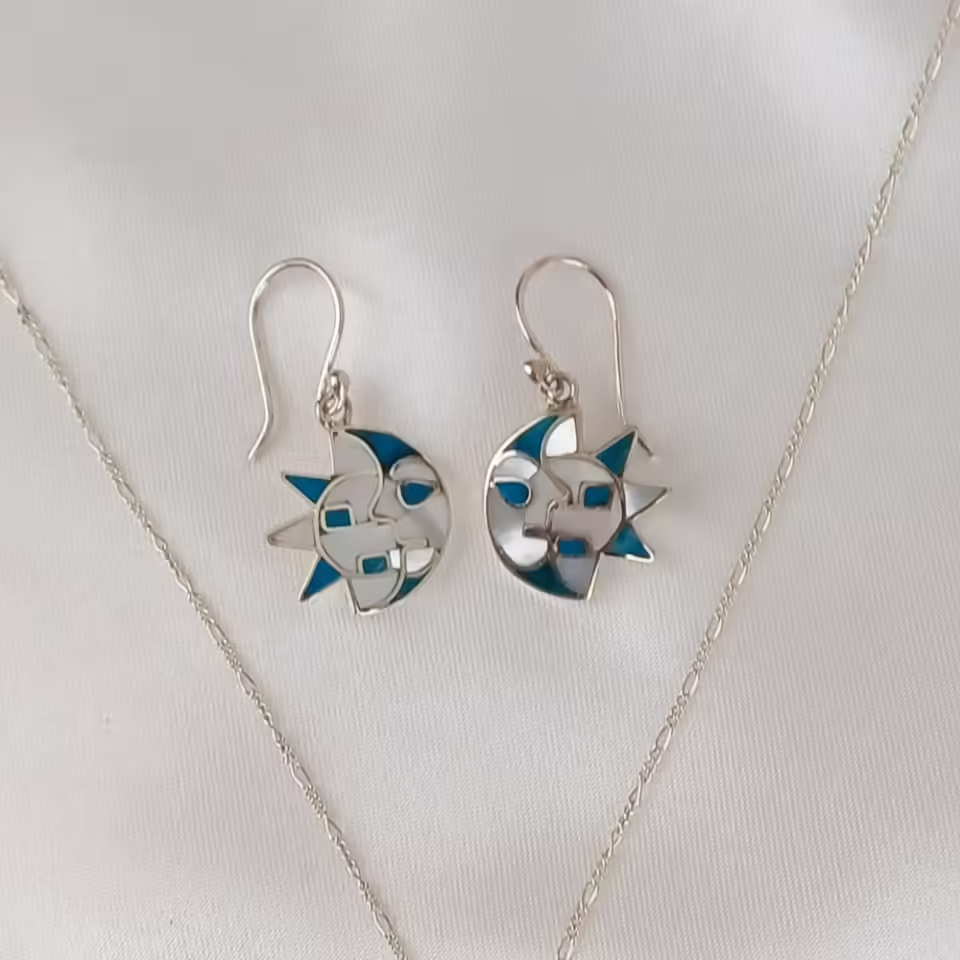
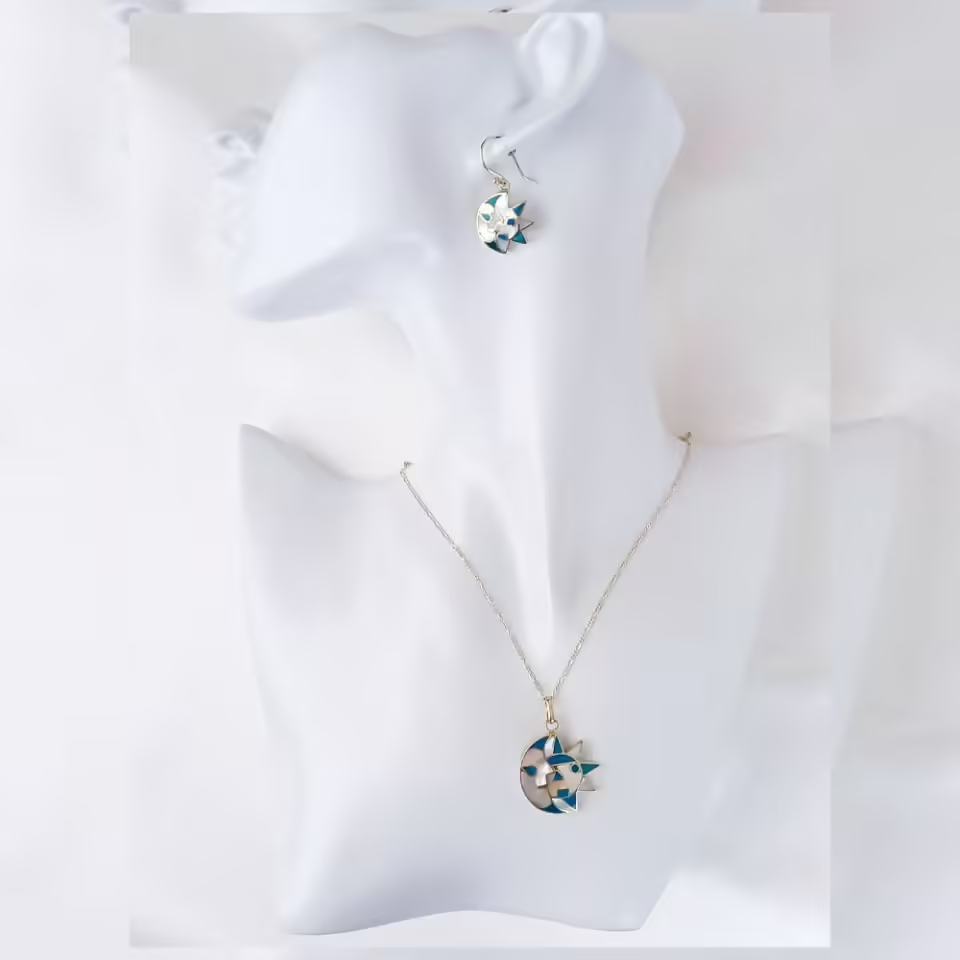
In Inca belief, the Sun (Inti in Quechua) was the primary deity, seen as the husband of the moon. The Sun held the power to heal, control crops, and provide relief to people.
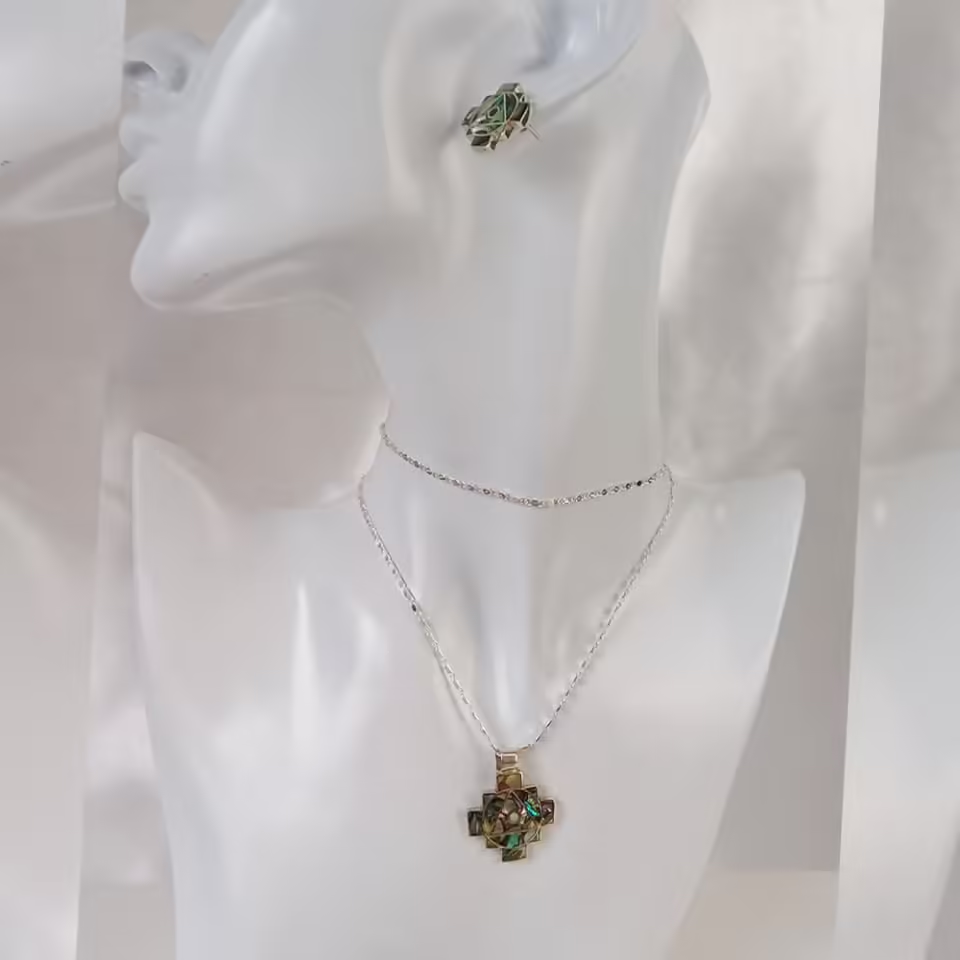
The Inca spiral signifies unity and the eternal cycle of life, connecting with water and the feminine. Abalone shells help calm emotions and create tranquility.
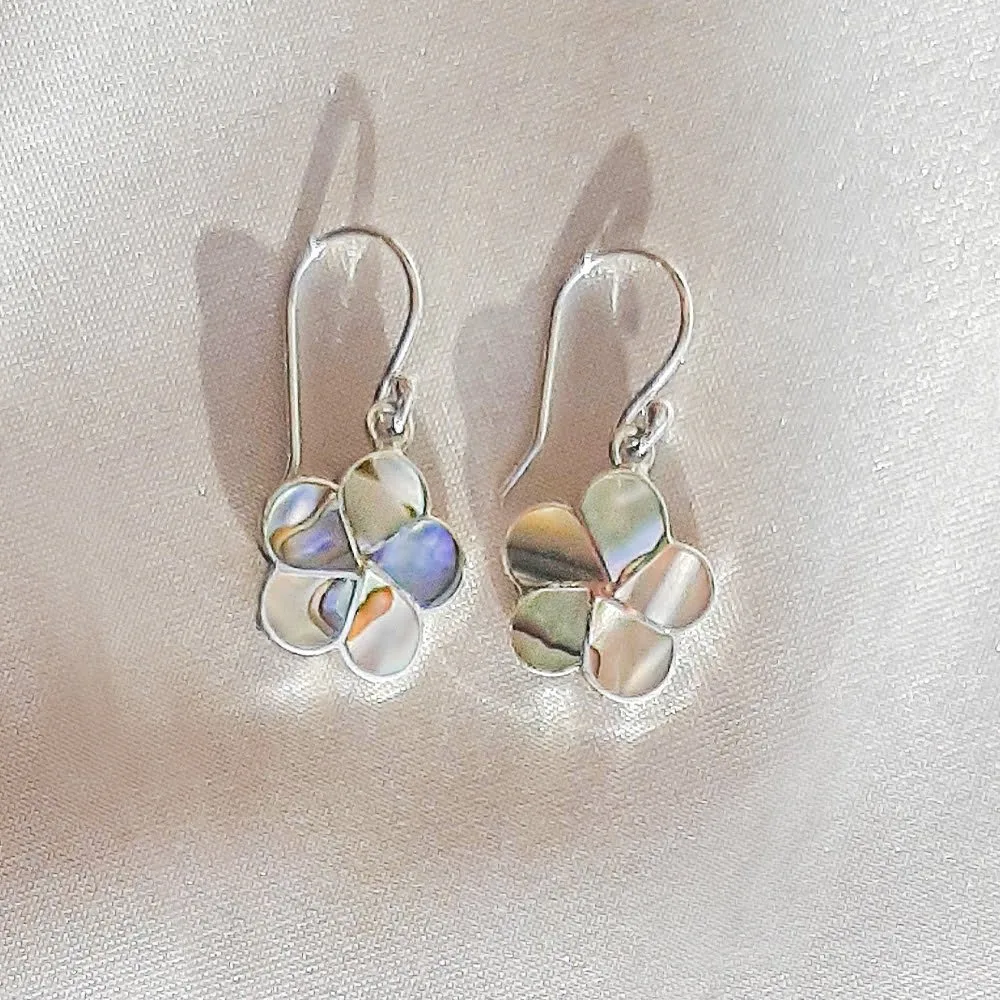
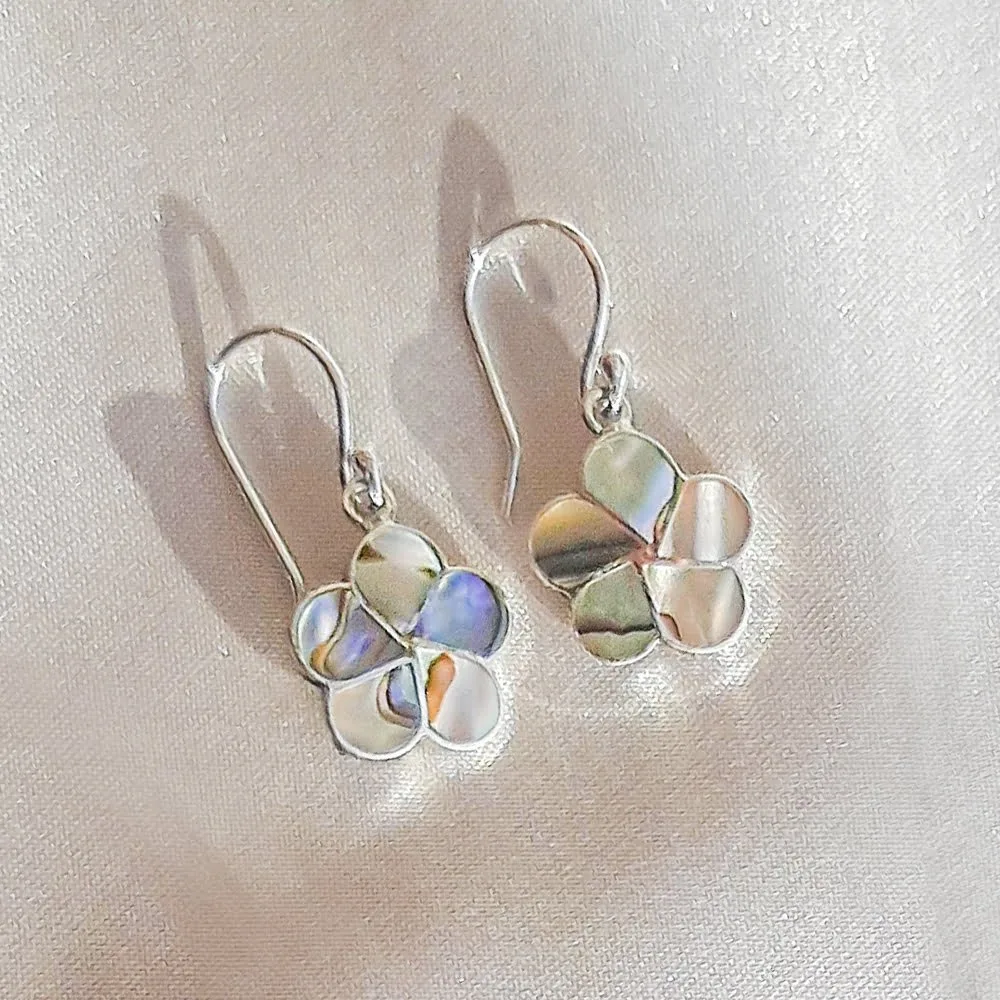
The daisy flower symbolized motherhood and childbirth and through that was associated with love, sensuality, and fertility.
The Wiphala is the flag of the Andean peoples, originating from the Aymara language. It symbolizes indigenous wisdom, embodying the principles of universal order (Pachakama) and the cosmic mother (Pachamama). Its design features the sun and day above and the moon and night below.
A mandala symbolizes the ideal universe and its creation represents a shift from suffering to joy. It serves as a meditation aid, guiding the meditator toward self-improvement.
The Andean cross, known as “chakana” in Quechua, signifies a “ladder to the highest.” It’s a four-sided ladder symbol, bridging the human world with the divine, uniting the lower and higher realms, Earth and the Sun.
The heart symbol is an ideogram that is used to express the idea of affection or love, especially if it is a romantic love.