Showing 49–60 of 66 resultsSorted by popularity
The Inca calendar, tailored to the Cuzco Valley environment and culture, served as the basis for governing the Inca Empire. It featured 12 synodic months, calculated from one new moon to the next.
Butterflies are beautiful and have mystery, symbolism and meaning and are a metaphor that represents spiritual rebirth, transformation, change, hope and life.
The Quipu, or khipu, was used by the Incas and Andean cultures to record and convey information. This ingenious device, without a written language, utilized colors, strings, and knots at different heights to record various data, including dates, statistics, accounts, and even abstract folk stories and poetry.
In spirituality, roses carry deep and varied meanings, often tied to their color, form, and cultural context. Here’s a detailed look at the spiritual significance of roses: Love and Compassion: Roses are universally seen as symbols of divine love and compassion. They are often associated with the heart and emotions, representing the ability to love unconditionally.
The Incas considered the condor (Kuntur) a sacred bird that linked the upper world (Hanan Pacha) with the earthly realm (Kay Pacha). This majestic black bird, residing in the Andes Mountains, had the extraordinary ability to fly to heights of 5,000 meters, serving as the sole intermediary connecting the mortal world to the divine, including the gods and stars.
In Inca belief, the Sun (Inti in Quechua) was the primary deity, seen as the husband of the moon. The Sun held the power to heal, control crops, and provide relief to people.
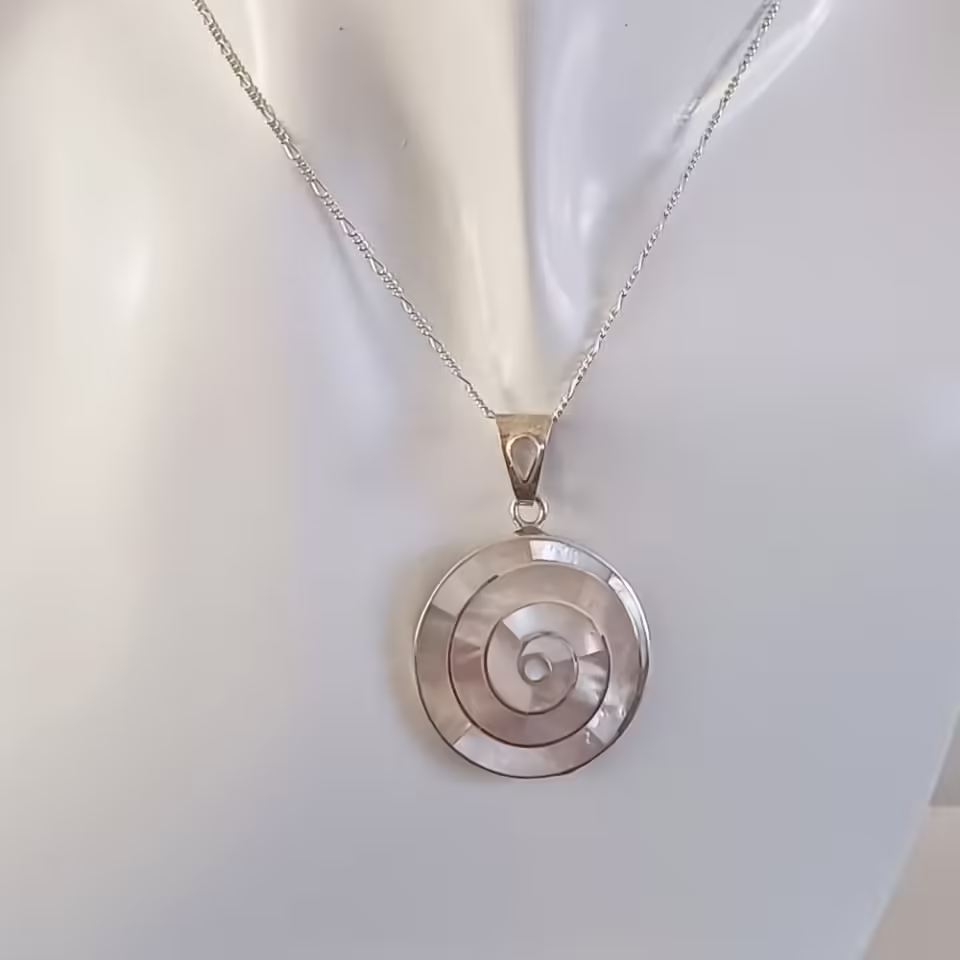
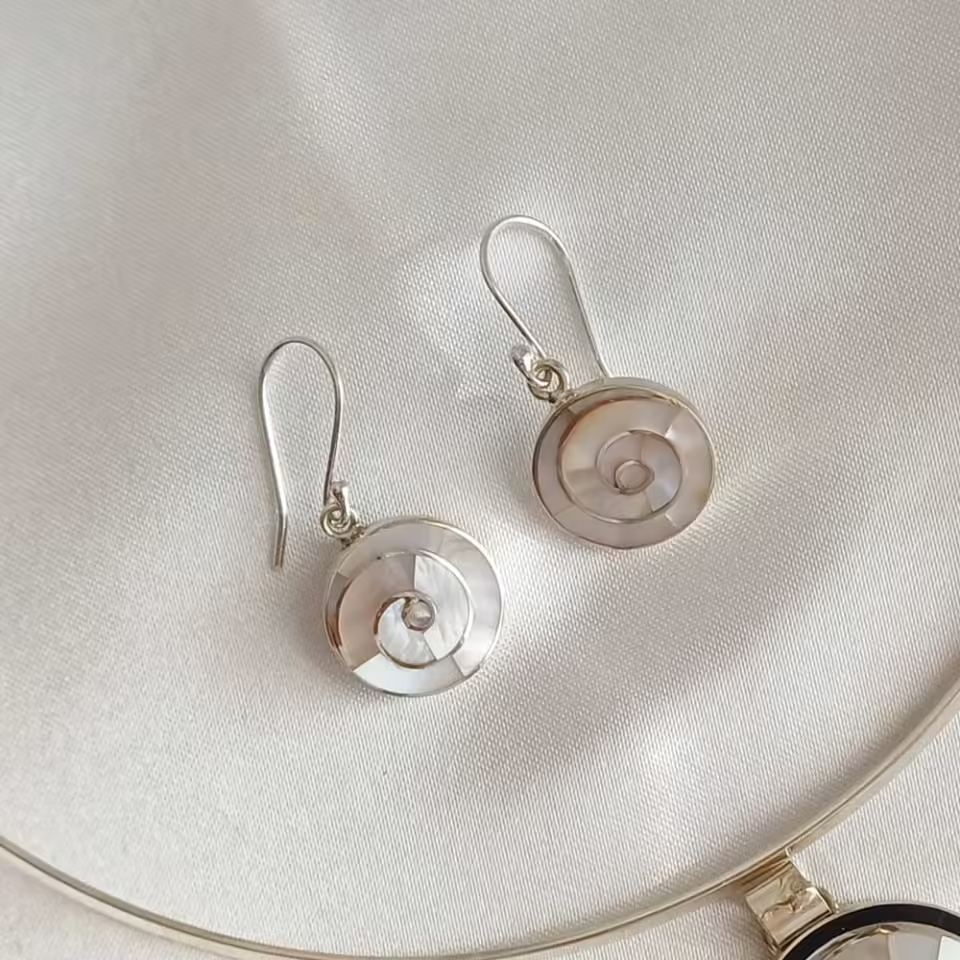
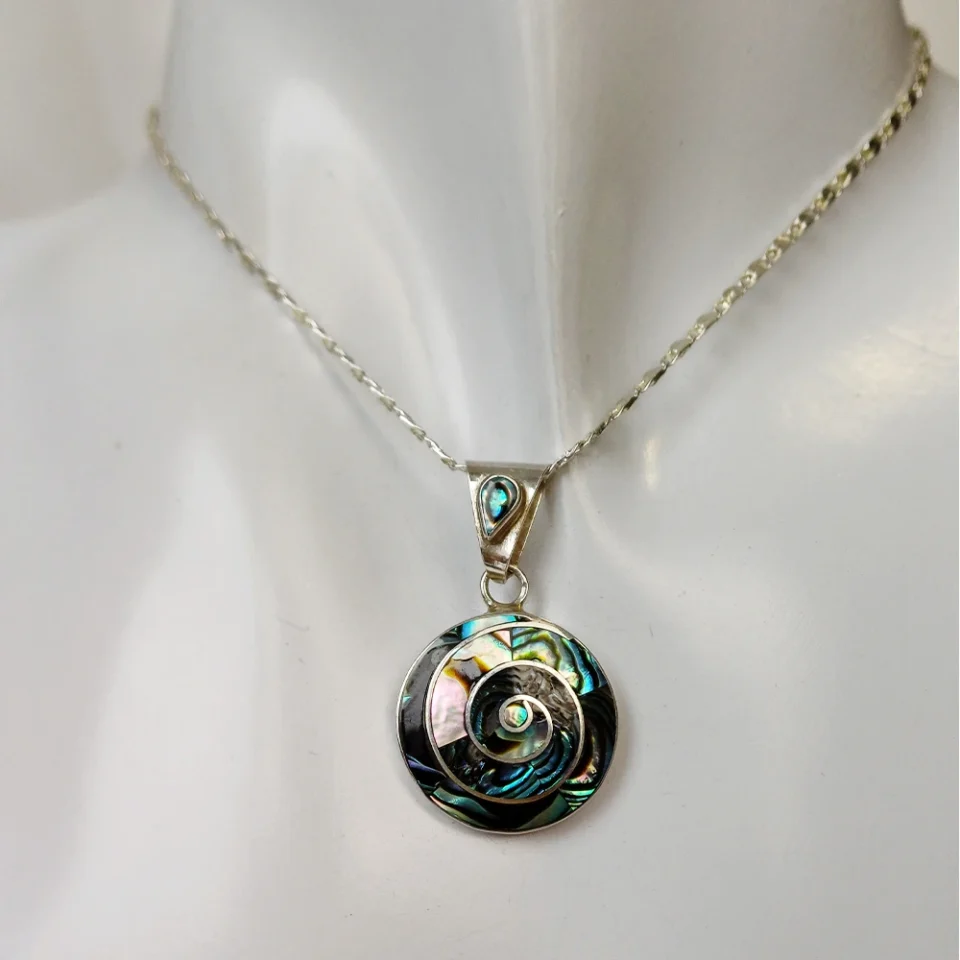
The Inca spiral signifies unity and the eternal cycle of life, connecting with water and the feminine. Abalone shells help calm emotions and create tranquility.
The daisy flower symbolizes purity, innocence and is used to seduce, in the case of white ones. The pink ones are for a very shy and innocent love and the blue ones symbolize fidelity.
The daisy flower symbolized motherhood and childbirth and through that was associated with love, sensuality, and fertility.
The Wiphala is the flag of the Andean peoples, originating from the Aymara language. It symbolizes indigenous wisdom, embodying the principles of universal order (Pachakama) and the cosmic mother (Pachamama). Its design features the sun and day above and the moon and night below.