Showing 25–36 of 146 resultsSorted by popularity
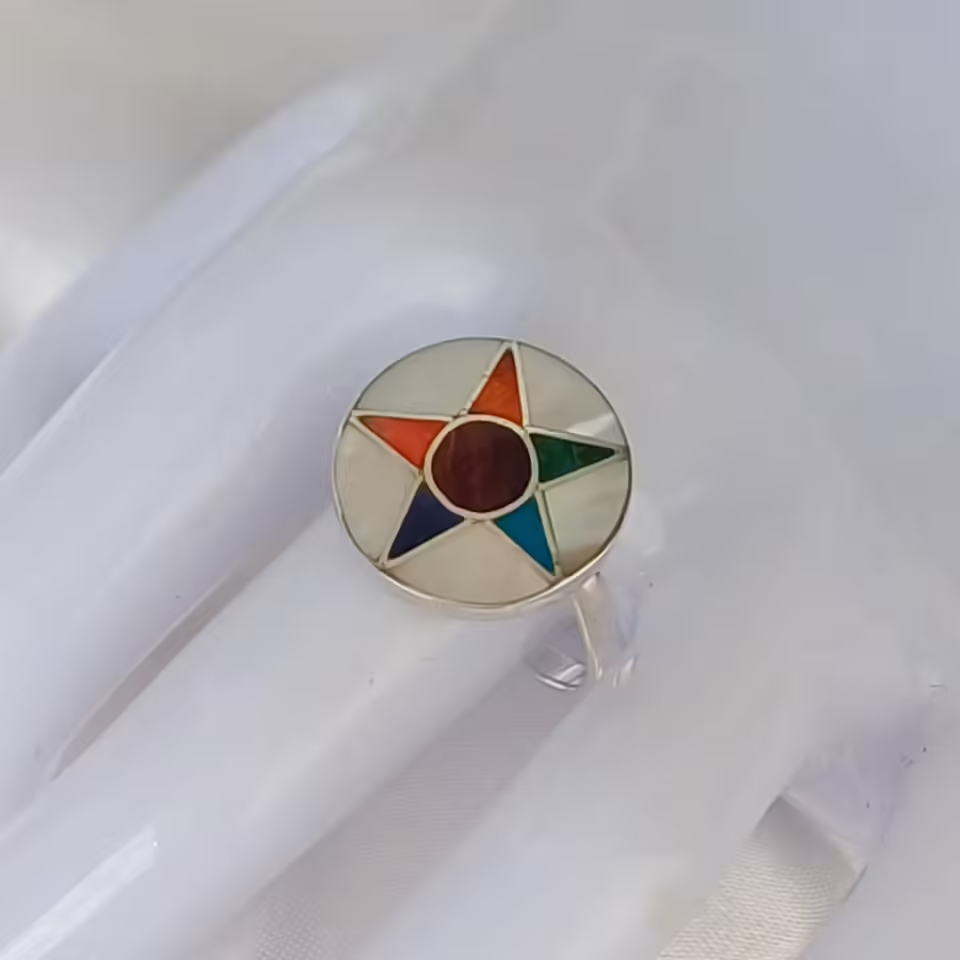
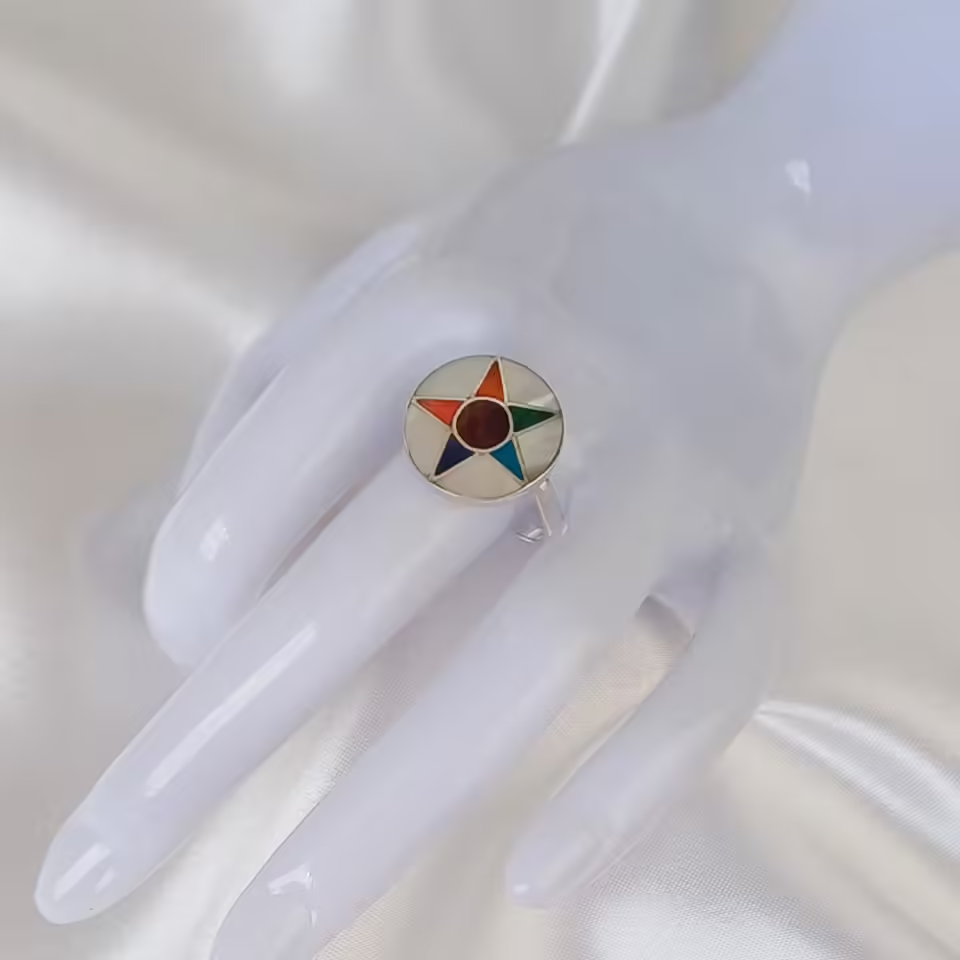
The Star Points (Five Heroines): Each point of the Eastern Star represents a biblical heroine and embodies specific virtues. These women are chosen for their virtues of fidelity, constancy, loyalty, faith, and love, which are central to the Order’s teachings.
Adah (Blue, First Point): Represents obedience to duty and fidelity. She symbolizes the story of Jephthah’s daughter from the Bible, who faithfully fulfilled her father’s vow.
Ruth (Yellow, Second Point): Symbolizes constancy and loyalty. She represents the biblical story of Ruth, who remained loyal to her mother-in-law Naomi and embraced the faith of the Israelites.
Esther (White, Third Point): Stands for courage and self-sacrifice. Esther is the queen who saved her people from persecution through her bravery.
Martha (Green, Fourth Point): Embodies faith and hope in eternal life. Martha is known for her unwavering belief in the resurrection of her brother Lazarus, as recounted in the New Testament.
Electa (Red, Fifth Point): Represents charity and love. Electa refers to a woman, often linked to a figure from the early Christian church, who was willing to suffer for her faith.
This exquisite ring is a celebration of the Divine Feminine, blending elegance with profound symbolism. The design flows with organic curves and soft lines, representing the nurturing, cyclical nature of life. The band is sculpted to resemble a delicate vine, symbolizing growth, wisdom, and the connection to nature’s rhythms.
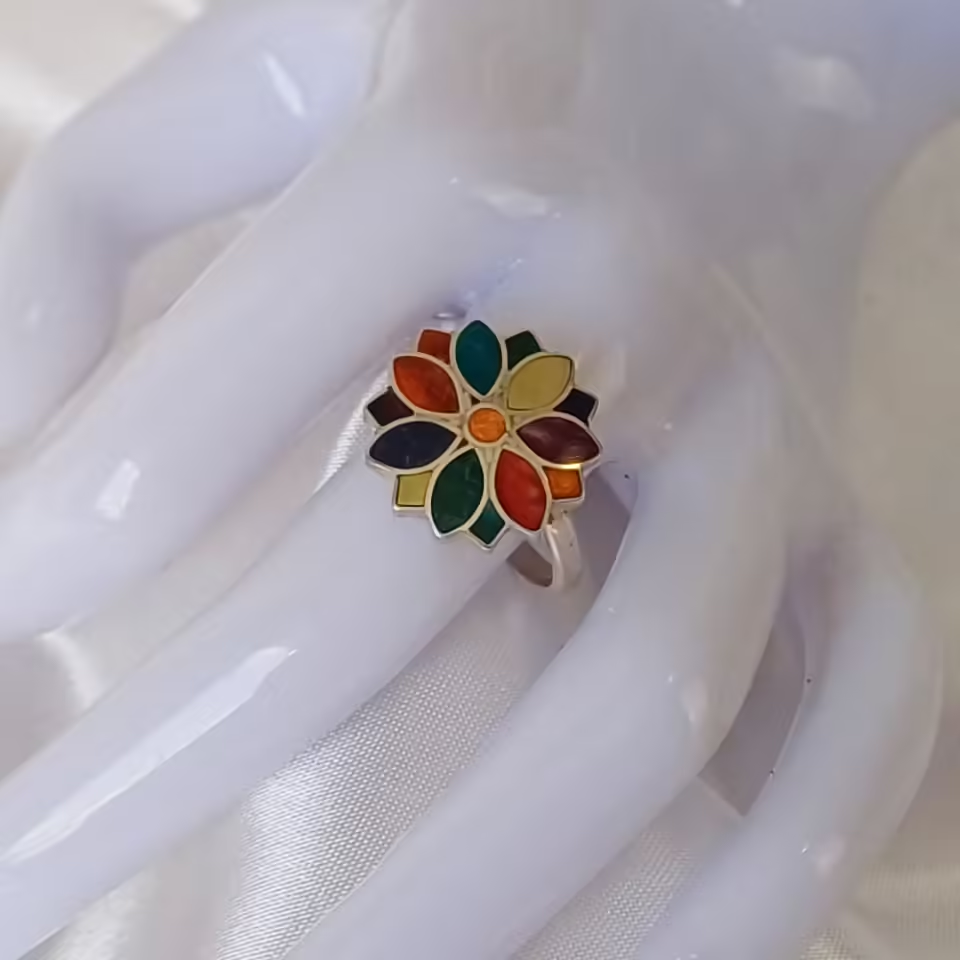
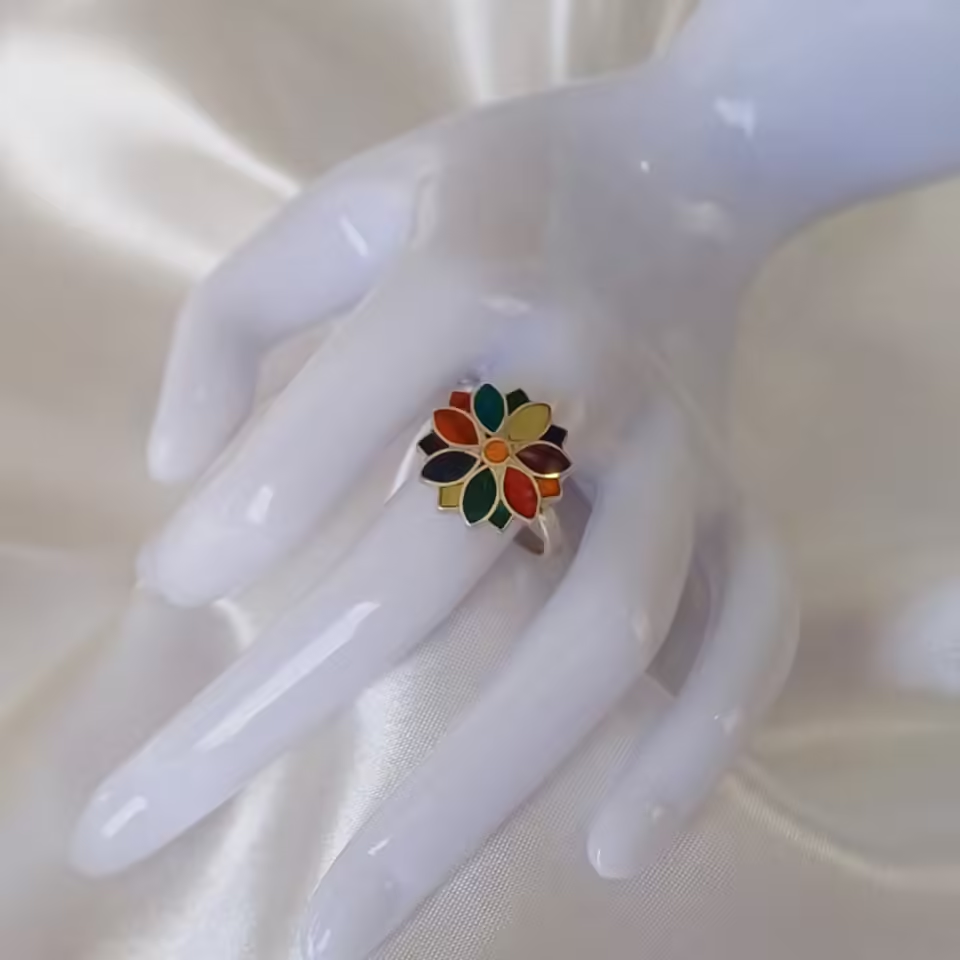
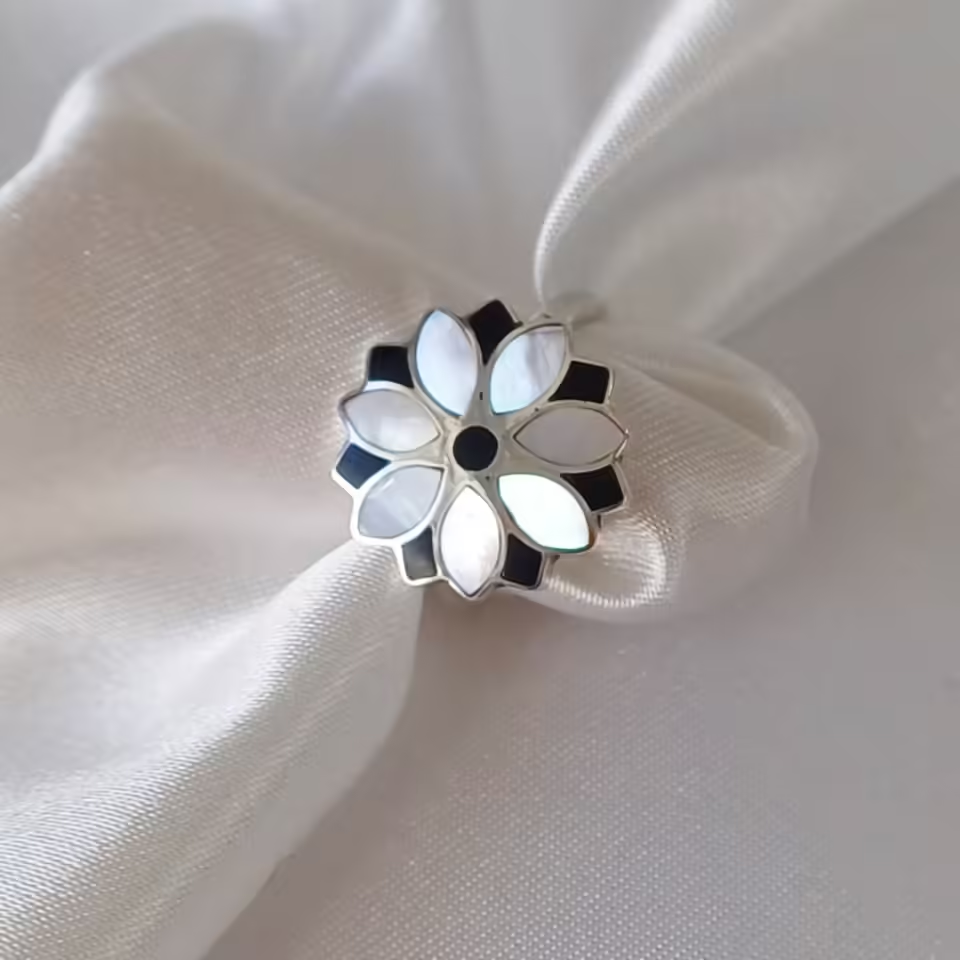
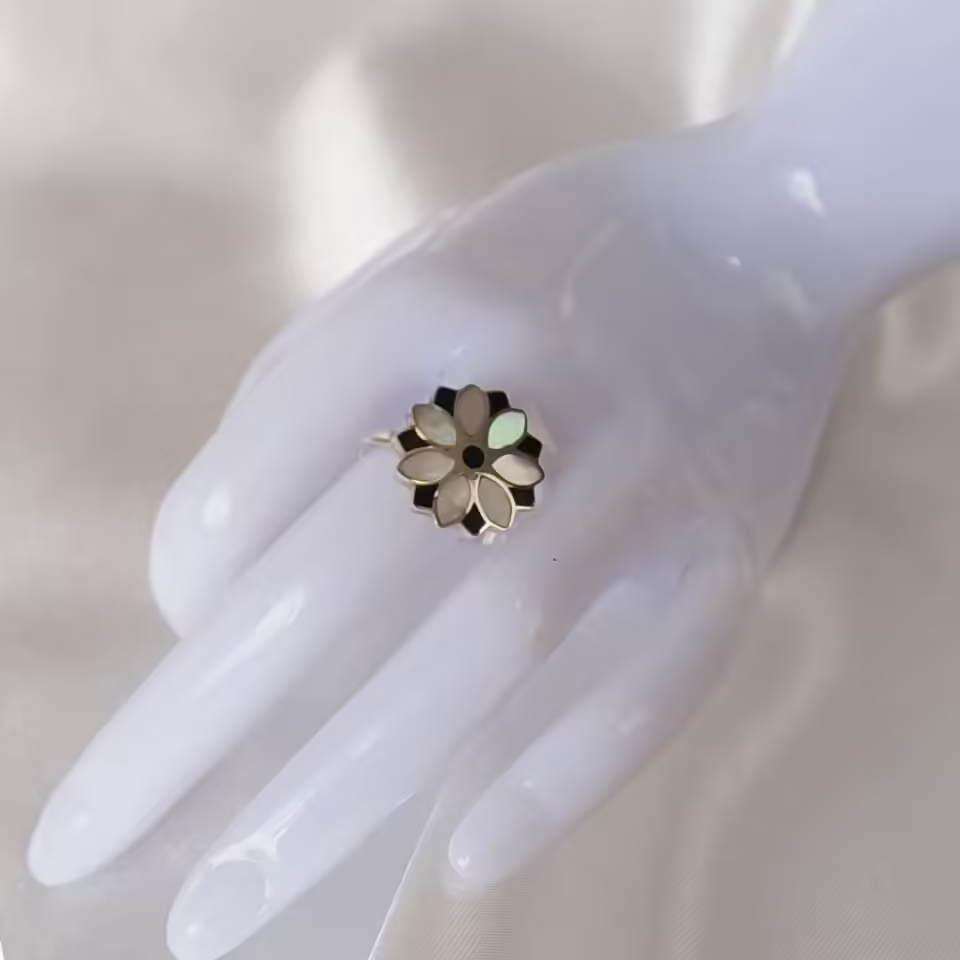
The daisy flower symbolized motherhood and childbirth and through that was associated with love, sensuality, and fertility.
A nature-inspired ring based on the Nature of the Andes could be designed to reflect the majestic mountains, diverse landscapes, and rich ecosystems of the region
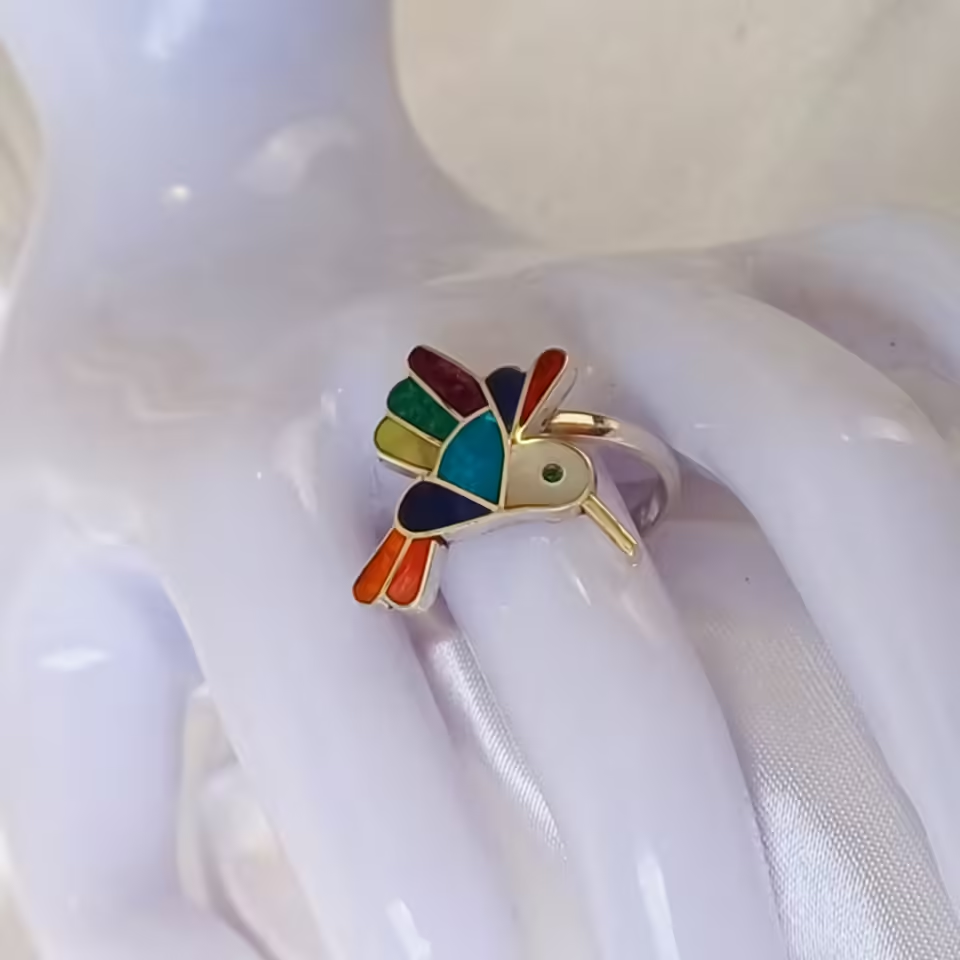
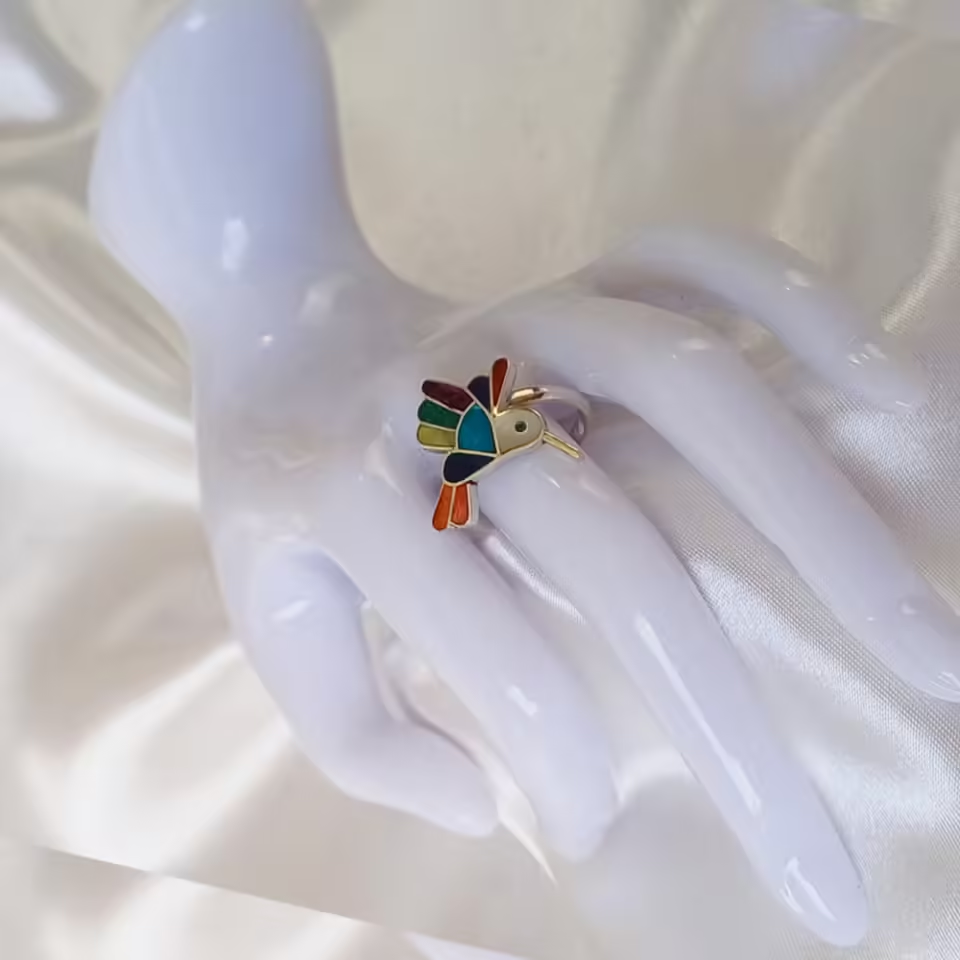
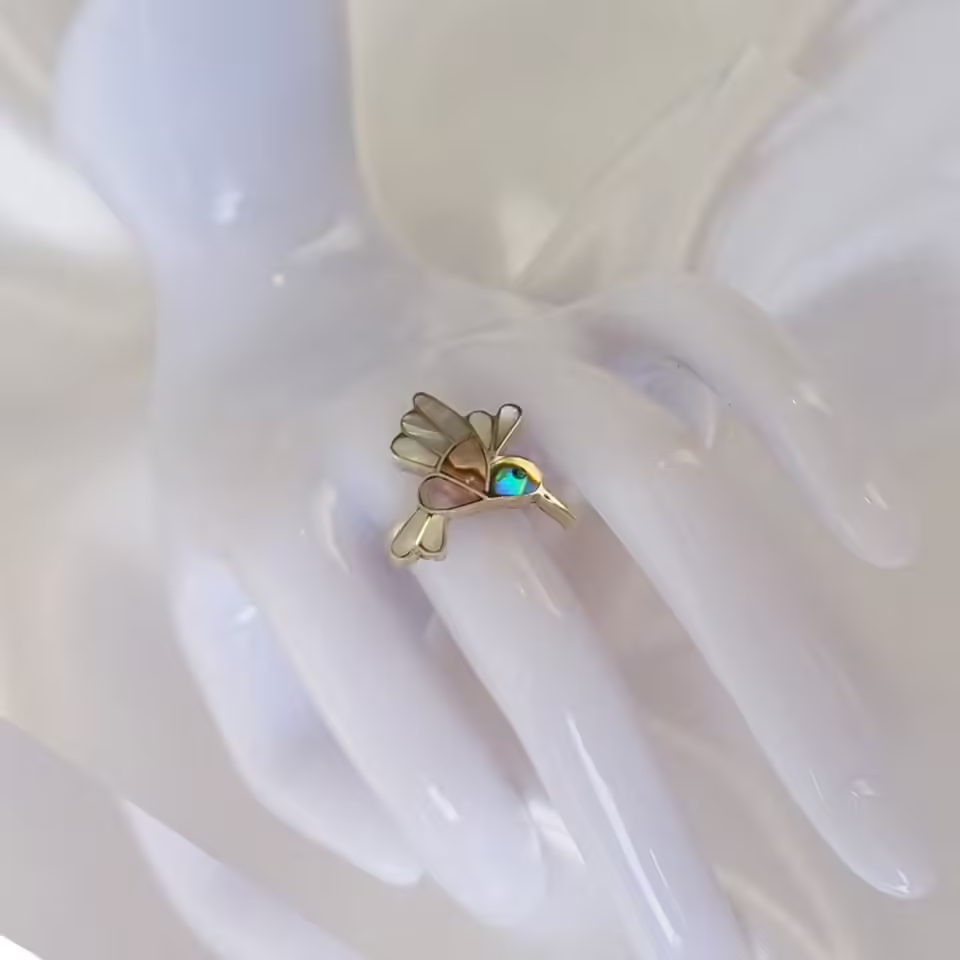
Inca culture viewed the hummingbird as a celestial messenger, while the condor was the primary spiritual messenger from the upper world. The hummingbird was significant for advancing human consciousness.
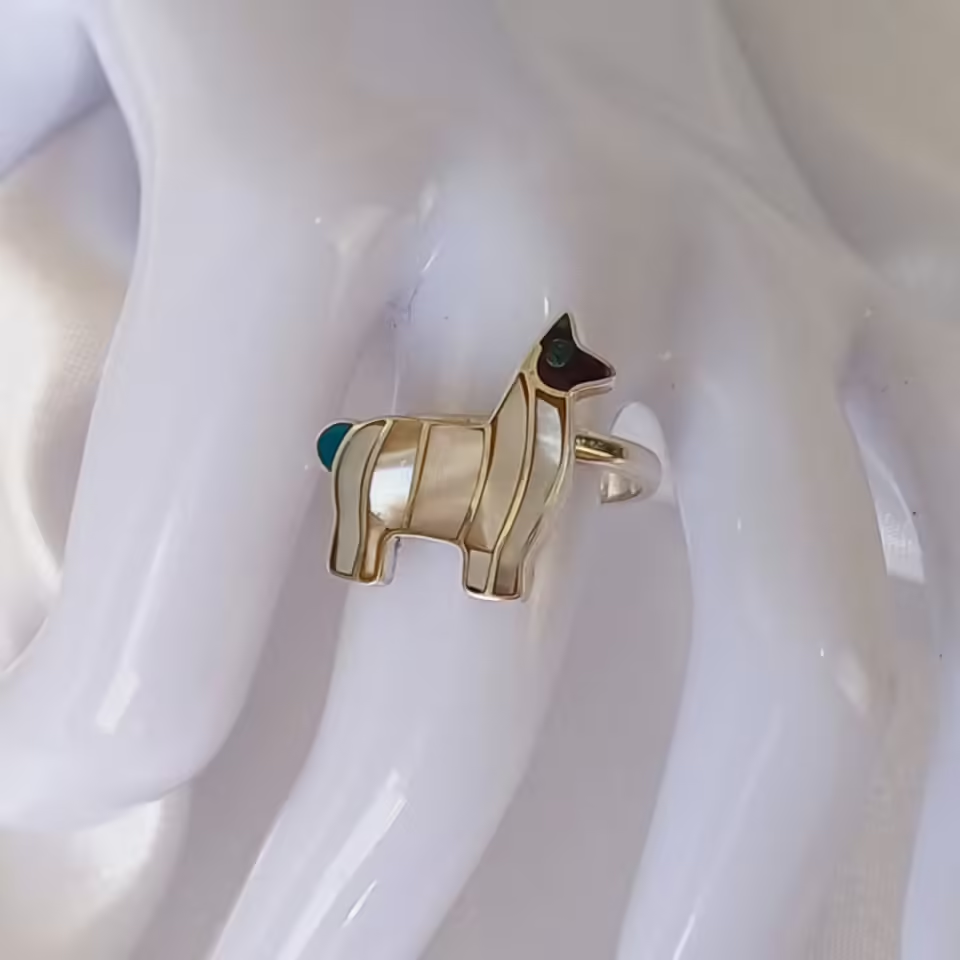
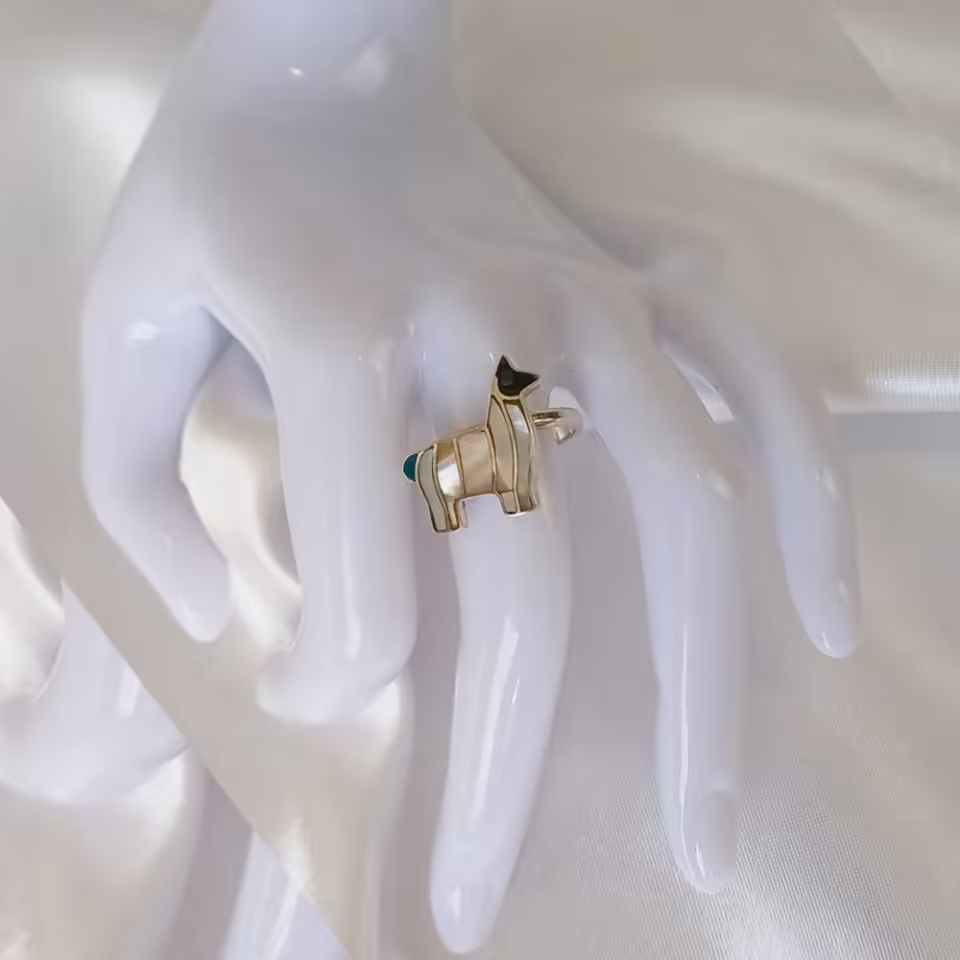
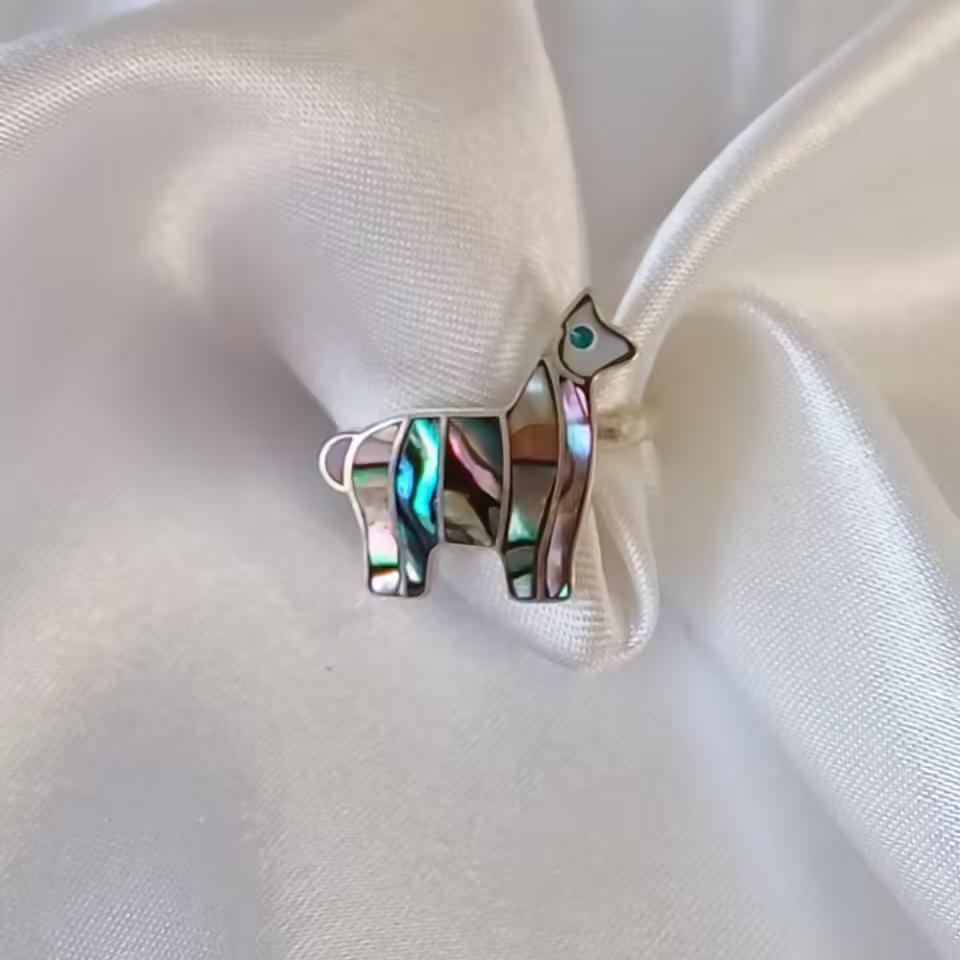
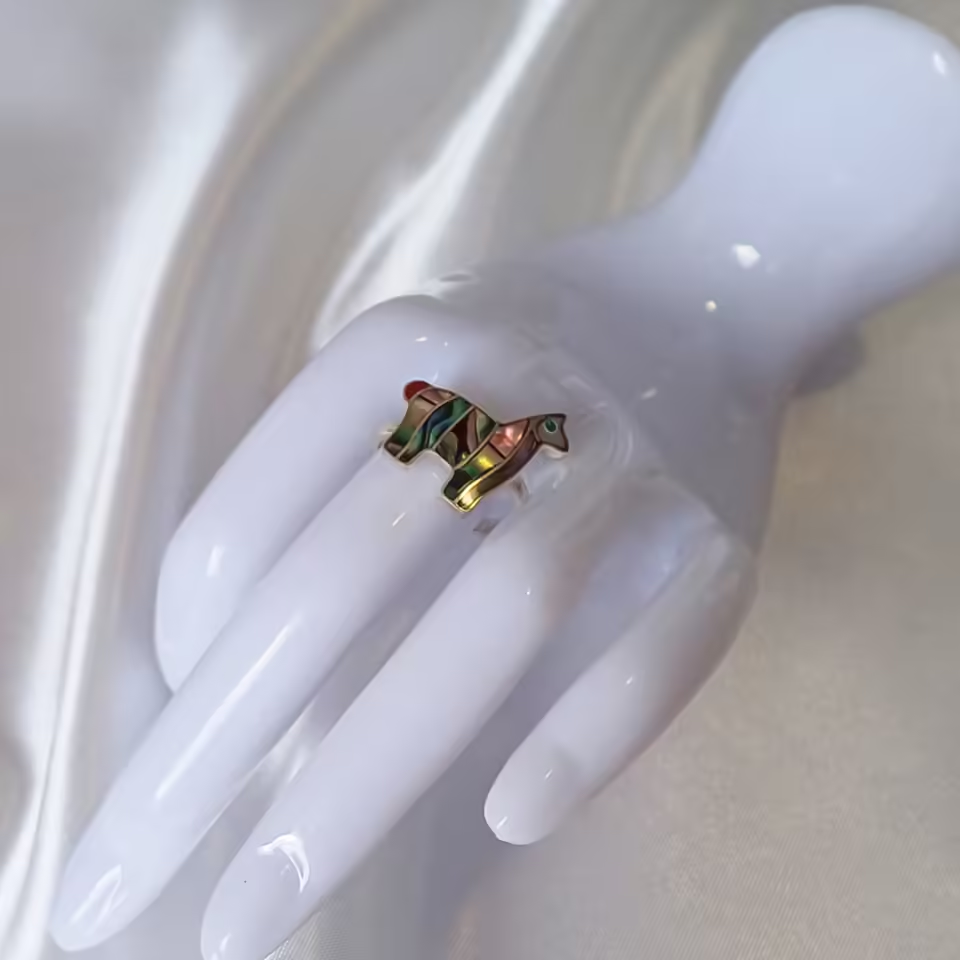
Treasured by the ancient Inca civilisation, their fine fleeces were reserved for Incan royalty. Together with their close relatives, the llamas, alpacas provided clothing, food, fuel and, no doubt, companionship as domesticated animals high in the altiplano of Peru, Chile and Bolivia.
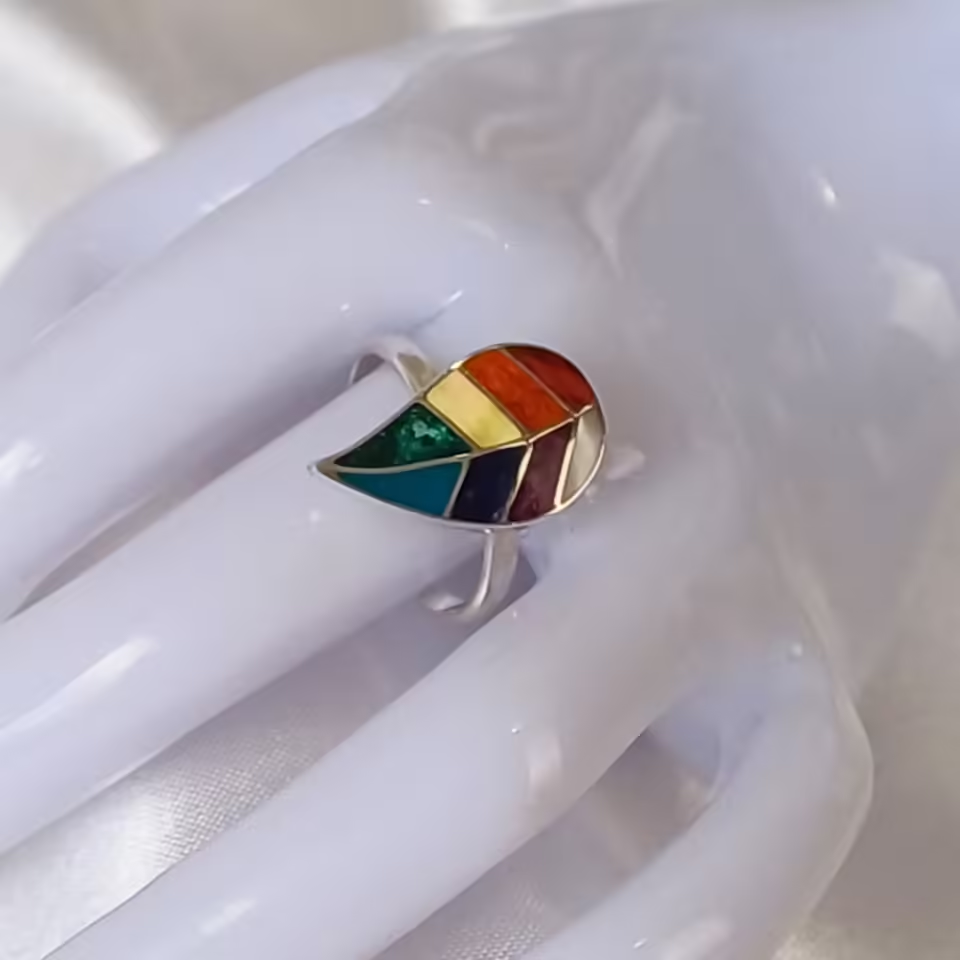
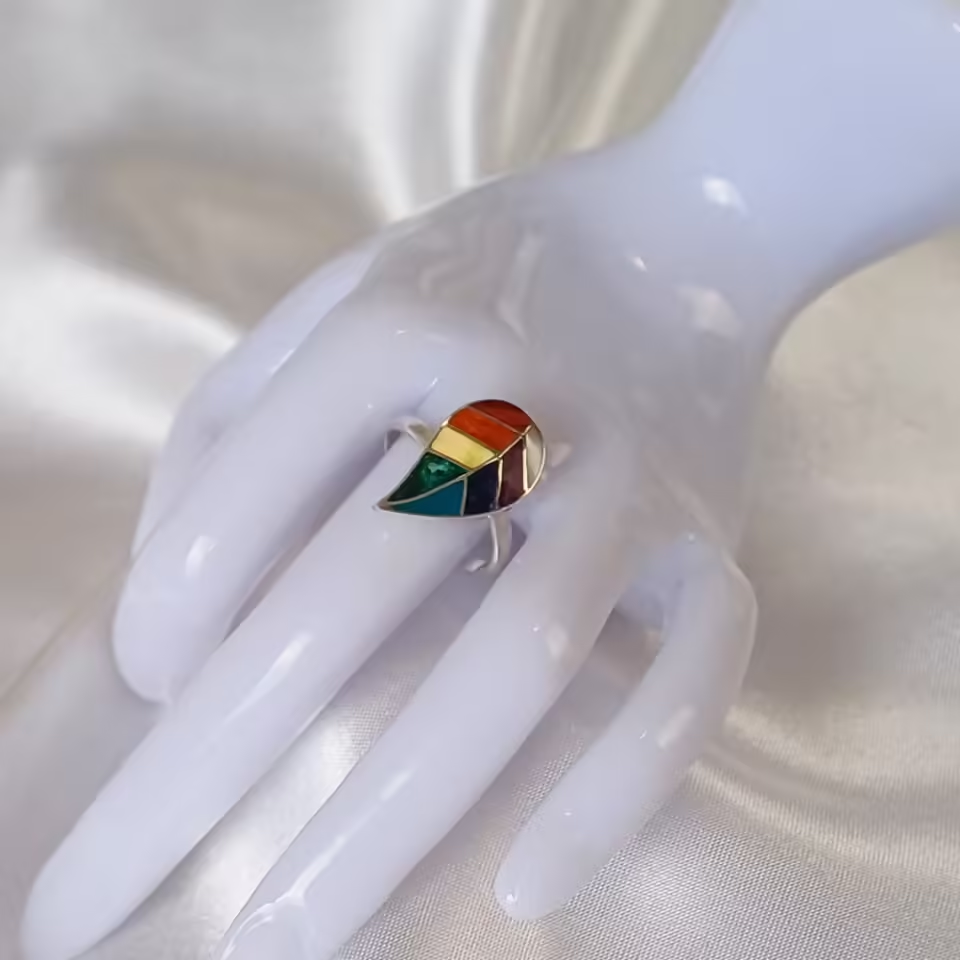
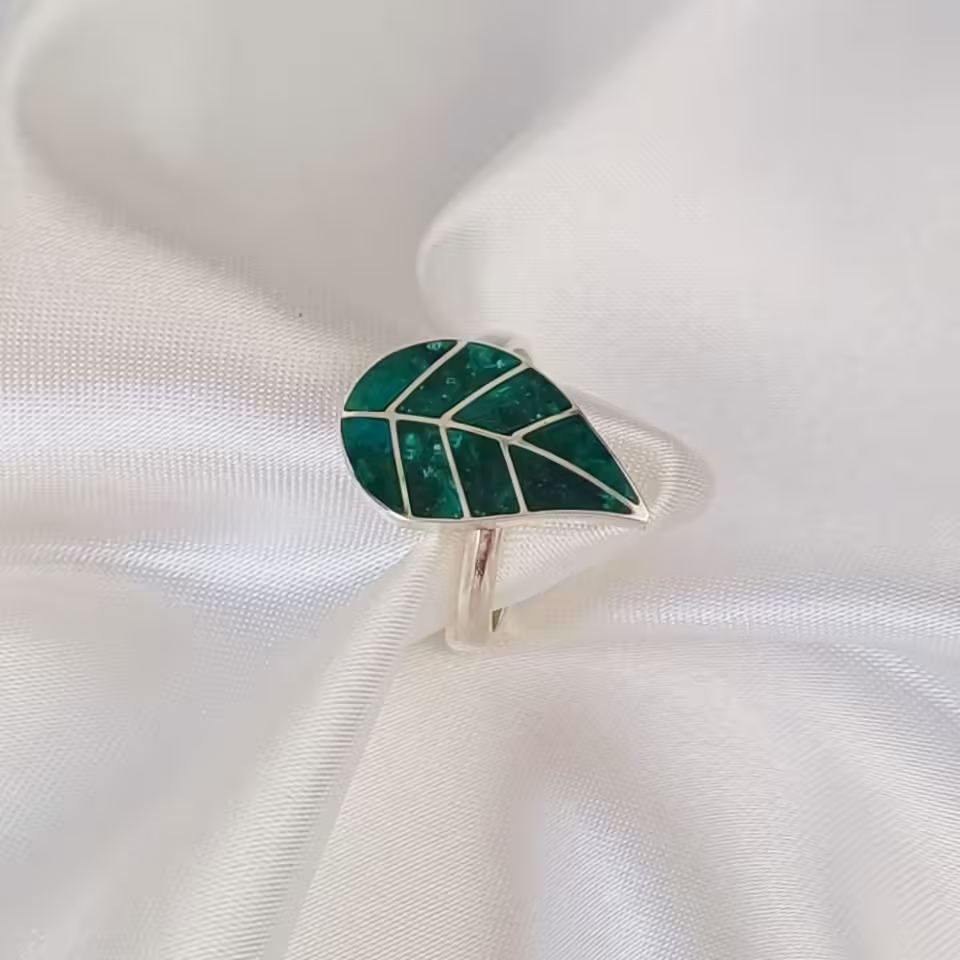
Leaves mean many things in different cultures, but the most common symbolism they are used for are related to fertility, hope, abundance, growth, peace, victory, death, and rebirth. With mother pearl stone.
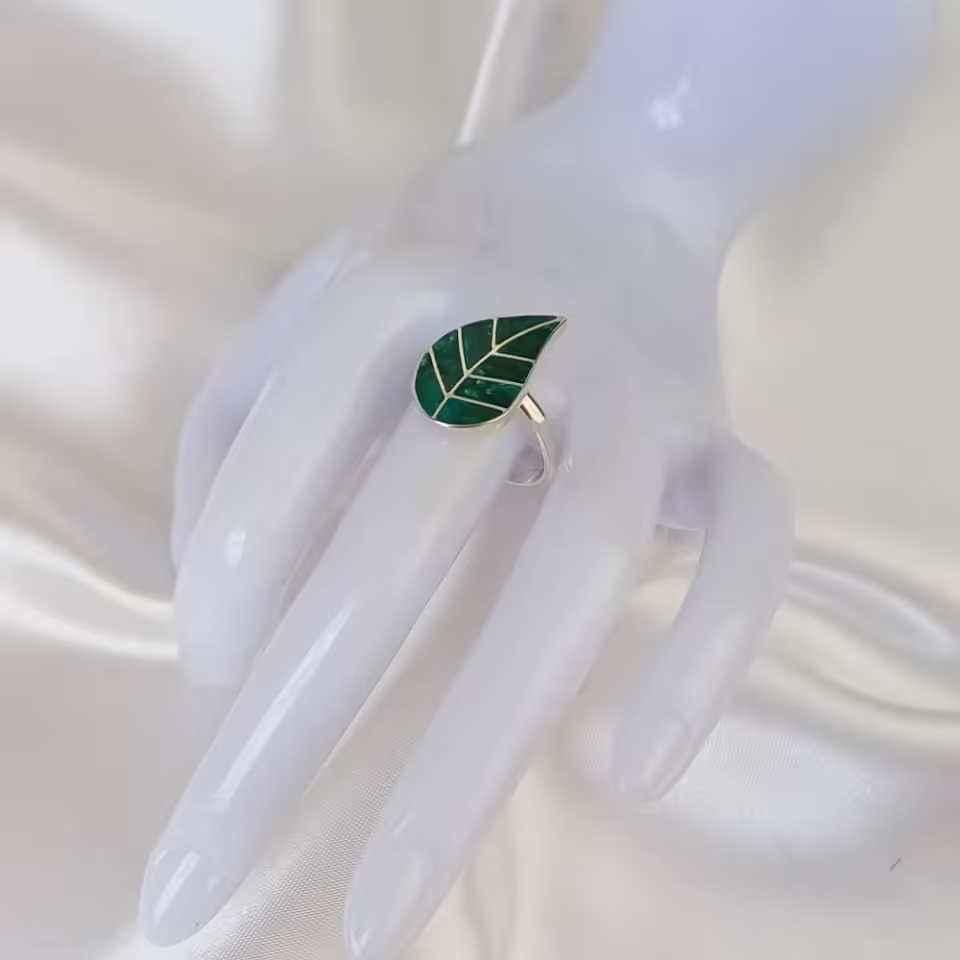
Leaves mean many things in different cultures, but the most common symbolism they are used for are related to fertility, hope, abundance, growth, peace, victory, death, and rebirth.
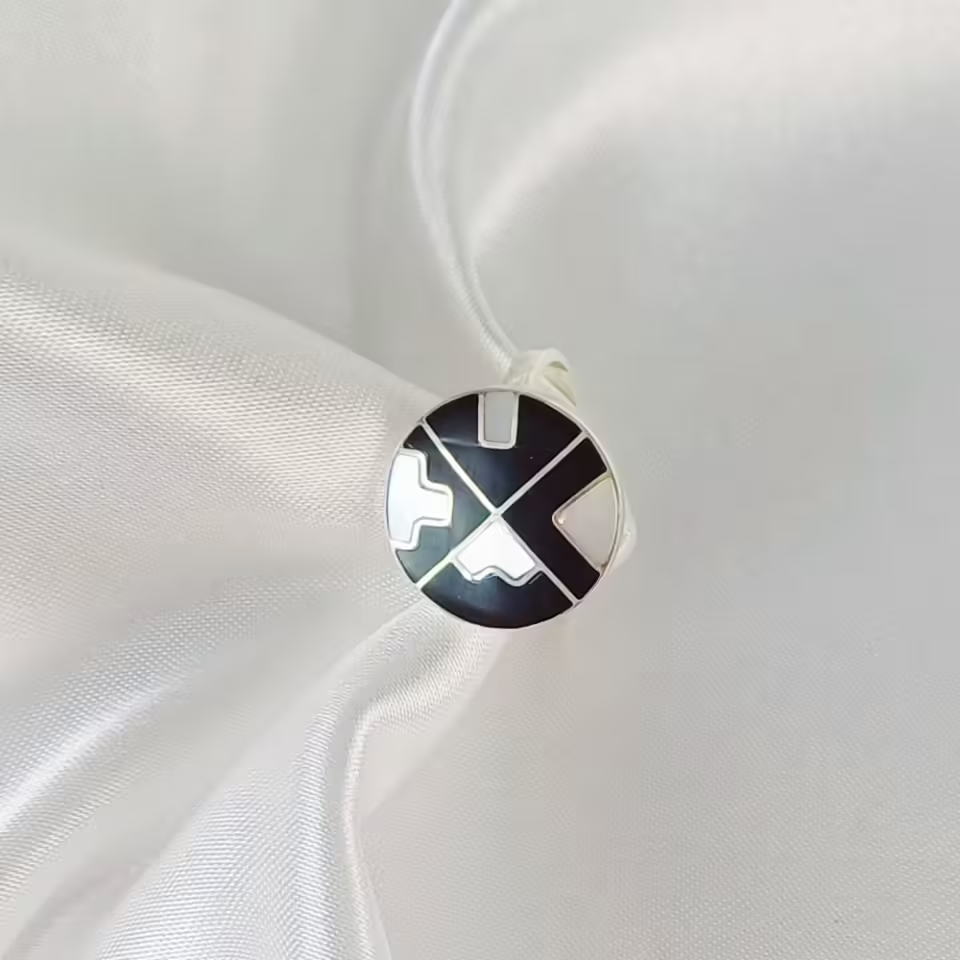
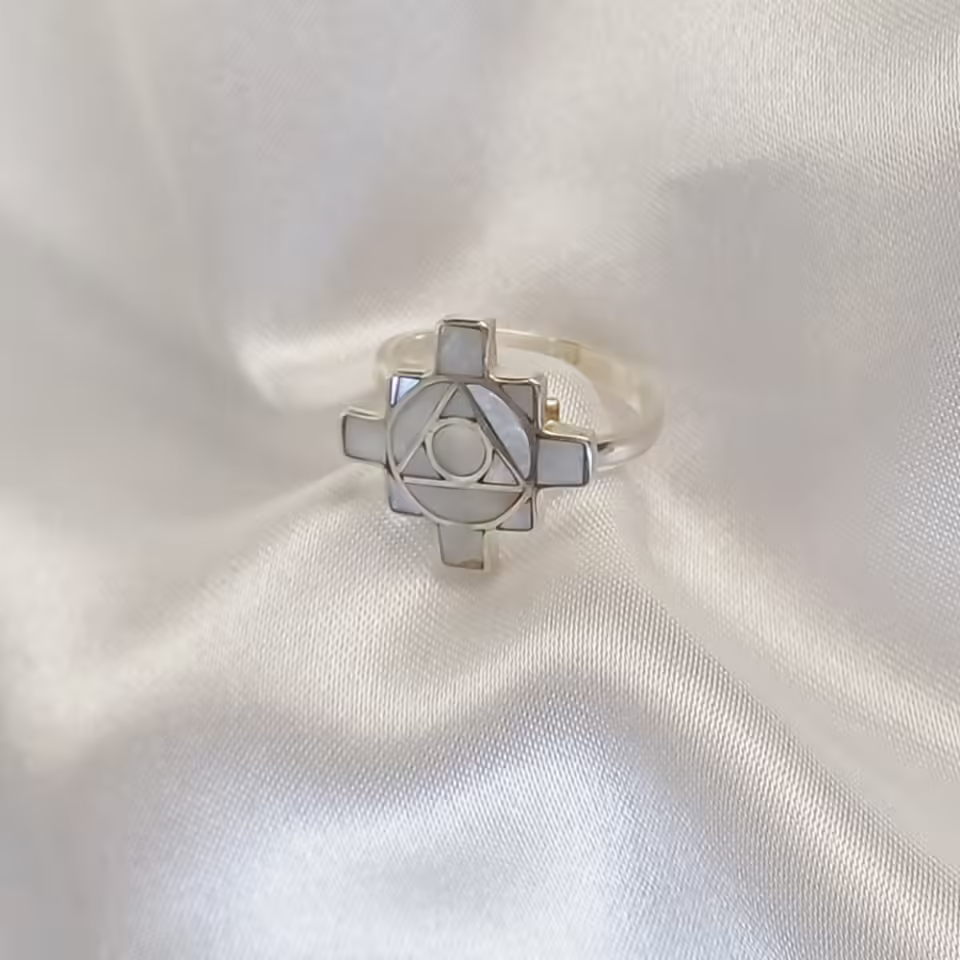
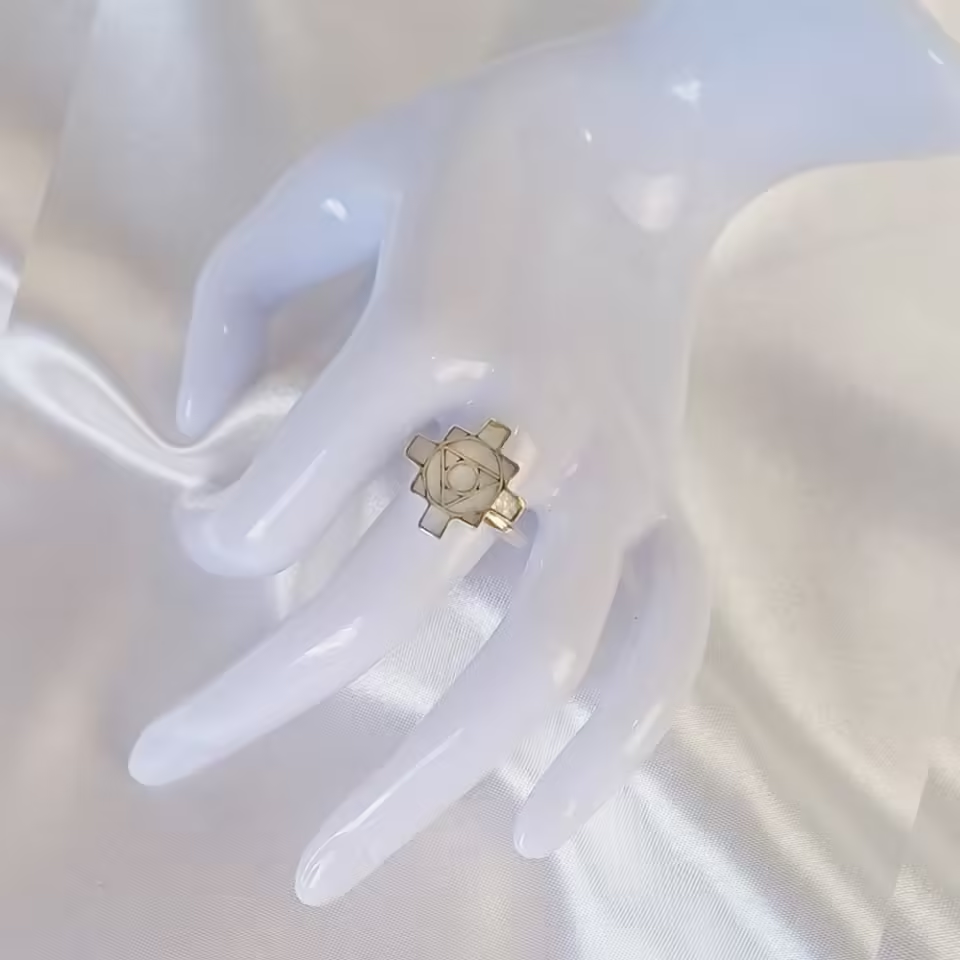
The Andean cross, known as “chakana” in Quechua, signifies a “ladder to the highest.” It’s a four-sided ladder symbol, bridging the human world with the divine, uniting the lower and higher realms, Earth and the Sun.