




handmade
Showing 49–60 of 70 resultsSorted by popularity


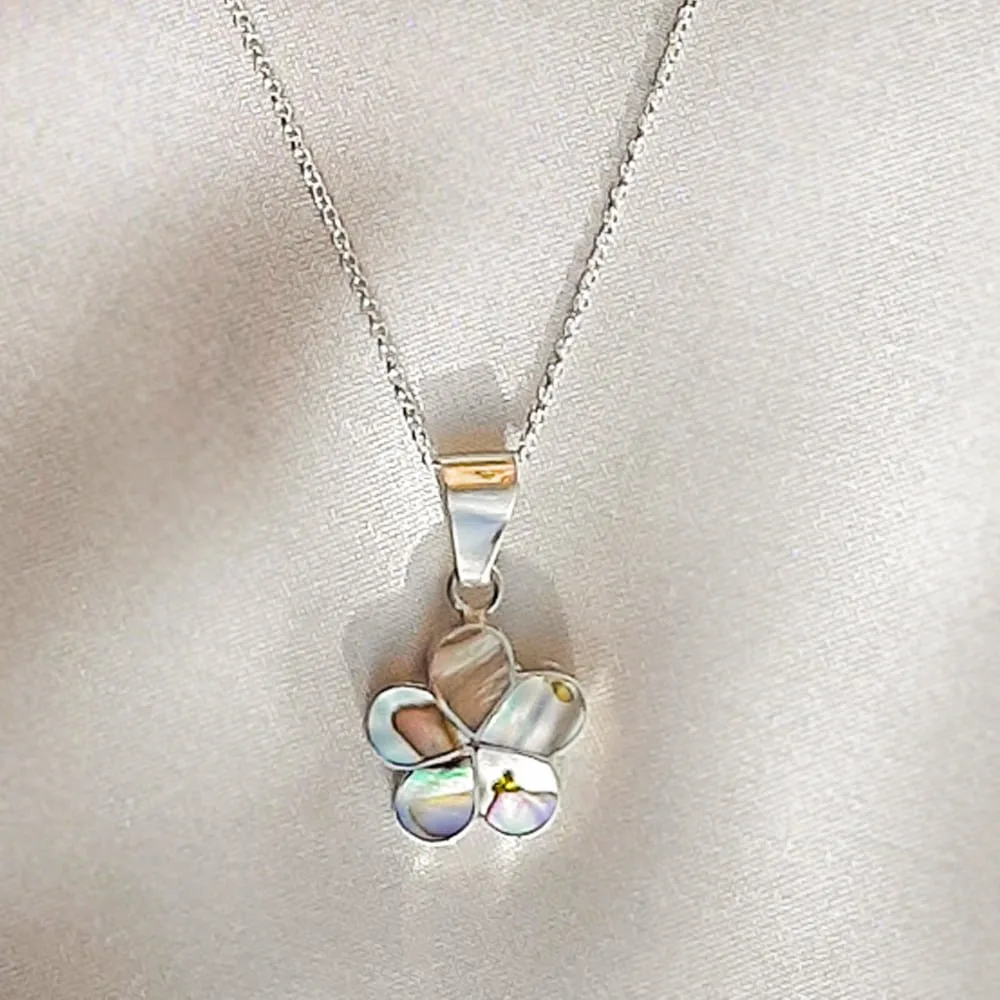

Daisy Flower Nacre & Abalone Pendant
The daisy flower symbolized motherhood and childbirth and through that was associated with love, sensuality, and fertility.


Chakana Wiphala Mother of Pearl Pendant
The Wiphala is the flag of the Andean peoples, originating from the Aymara language. It symbolizes indigenous wisdom, embodying the principles of universal order (Pachakama) and the cosmic mother (Pachamama). Its design features the sun and day above and the moon and night below.

Chakana Wiphala Mother of Pearl & Onyx Pendant
The Wiphala is the flag of the Andean peoples, originating from the Aymara language. It symbolizes indigenous wisdom, embodying the principles of universal order (Pachakama) and the cosmic mother (Pachamama). Its design features the sun and day above and the moon and night below.


Chakana Wiphala Turquoise Chrysocolla Pendant
The Wiphala is the flag of the Andean peoples, originating from the Aymara language. It symbolizes indigenous wisdom, embodying the principles of universal order (Pachakama) and the cosmic mother (Pachamama). Its design features the sun and day above and the moon and night below.
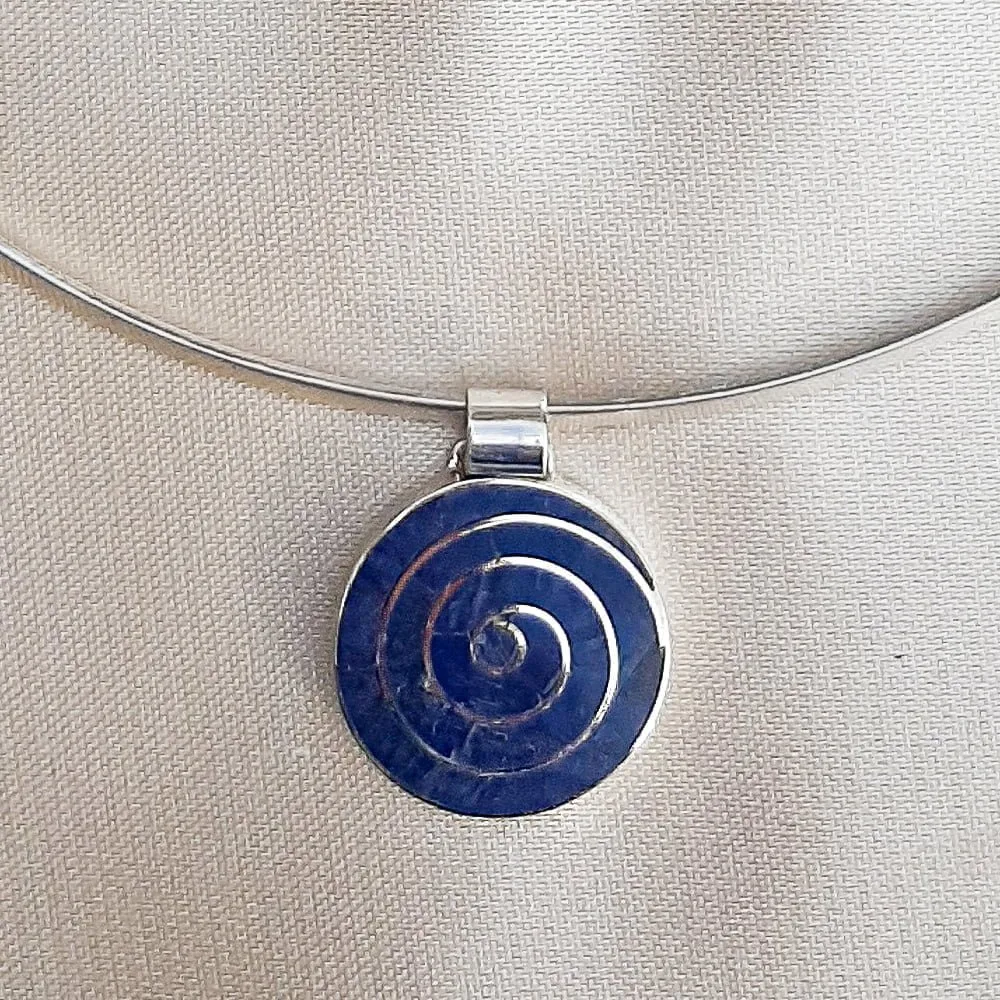
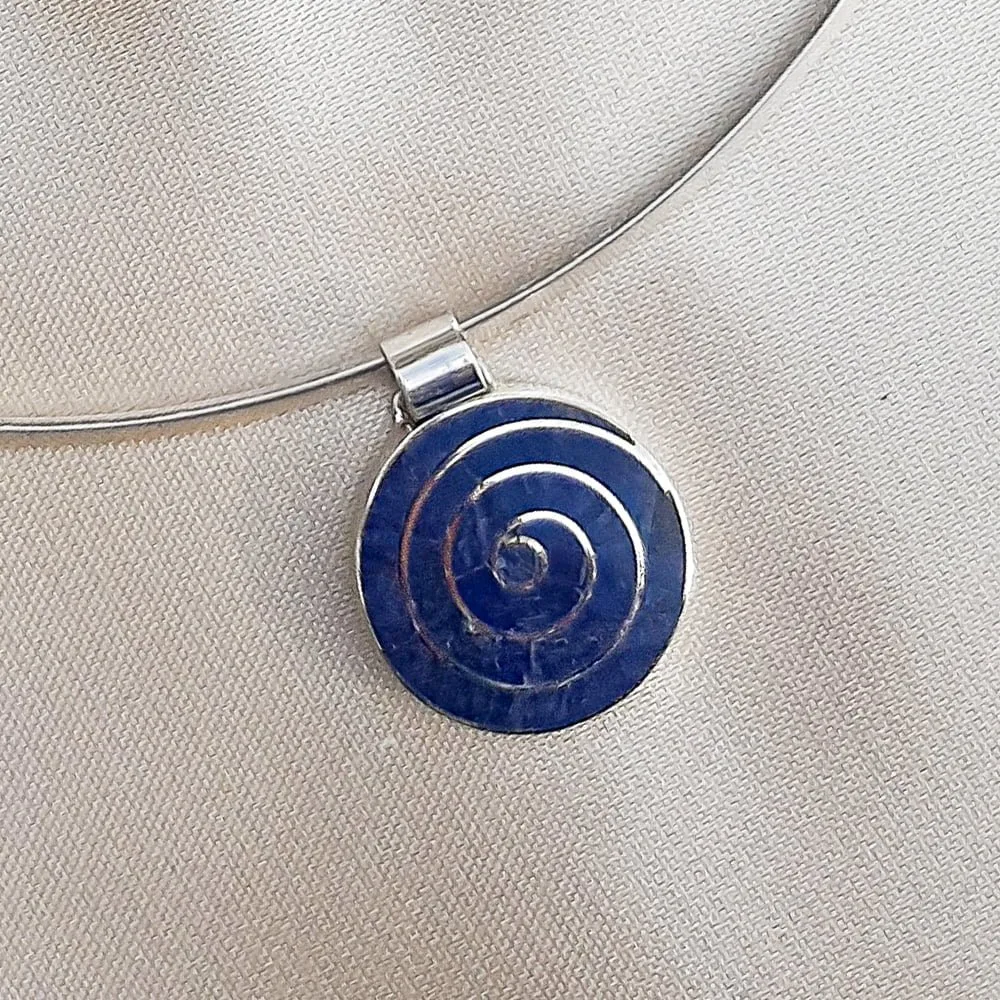
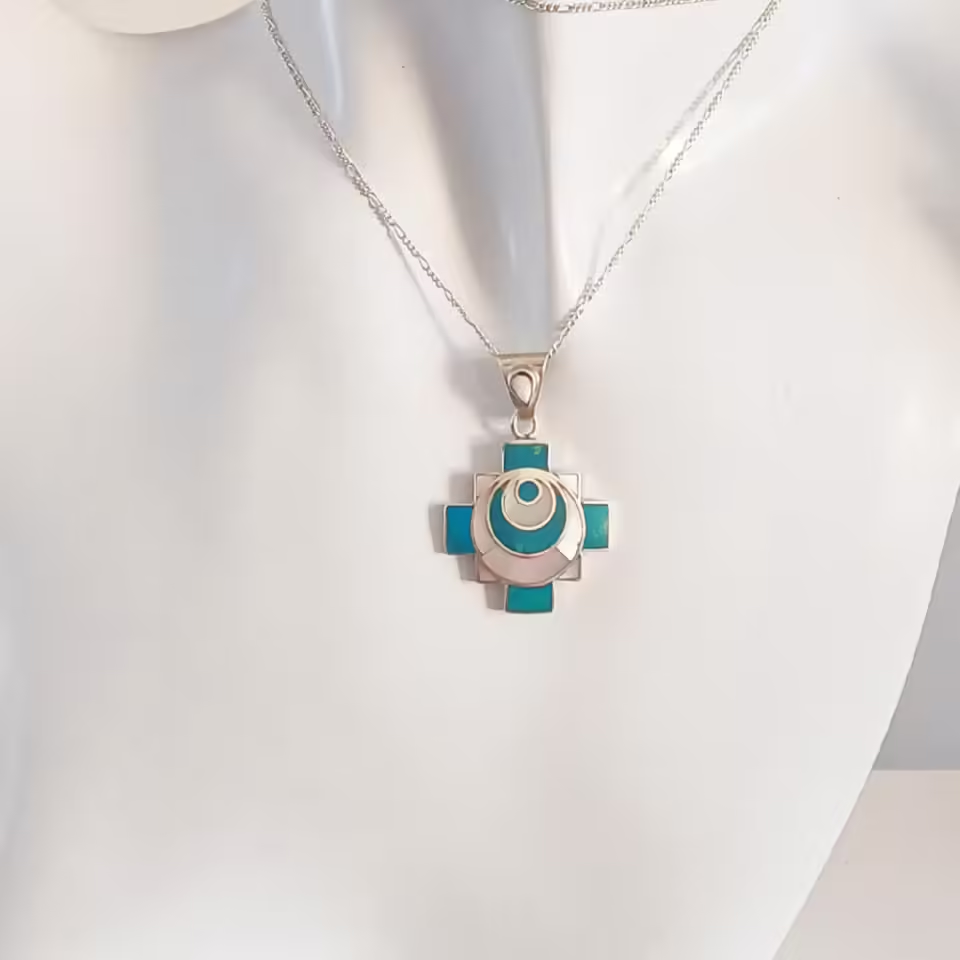
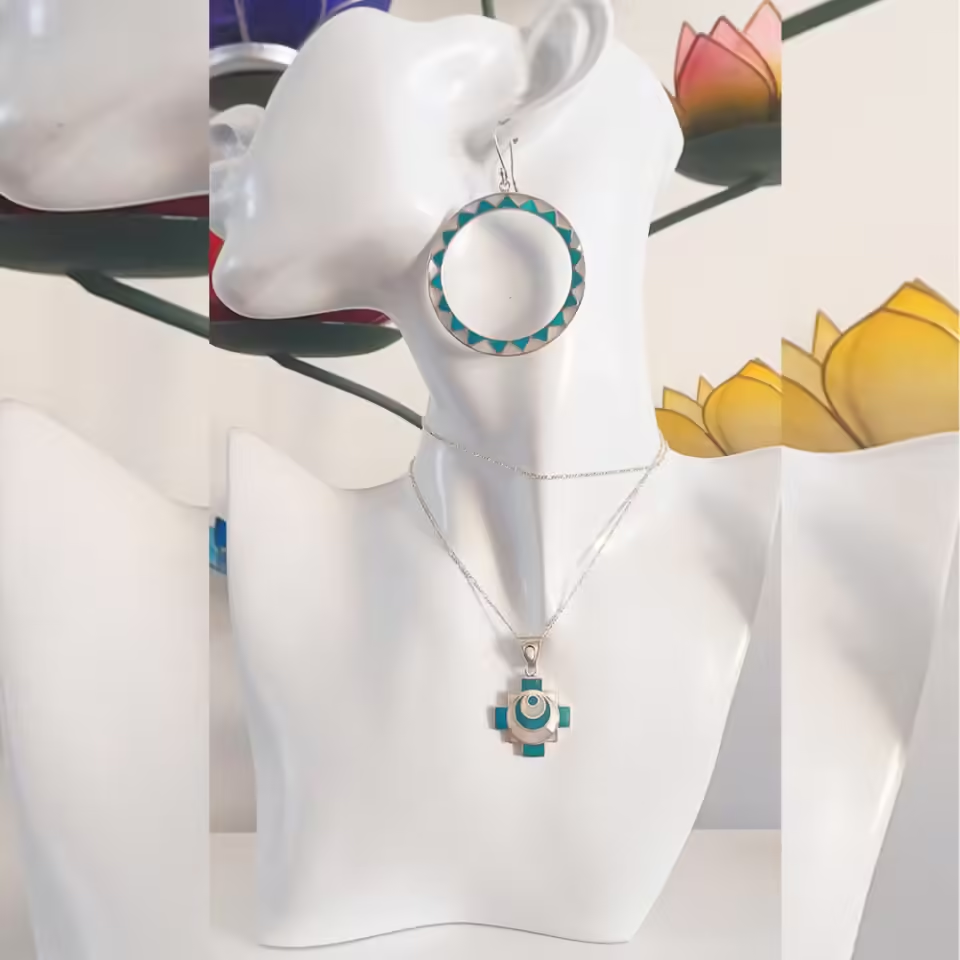
Chakana Spiral Mother Pearl & Chrysocolla Pendant
The Andean cross, known as “chakana” in Quechua, signifies a “ladder to the highest.” It’s a four-sided ladder symbol, bridging the human world with the divine, uniting the lower and higher realms, Earth and the Sun.


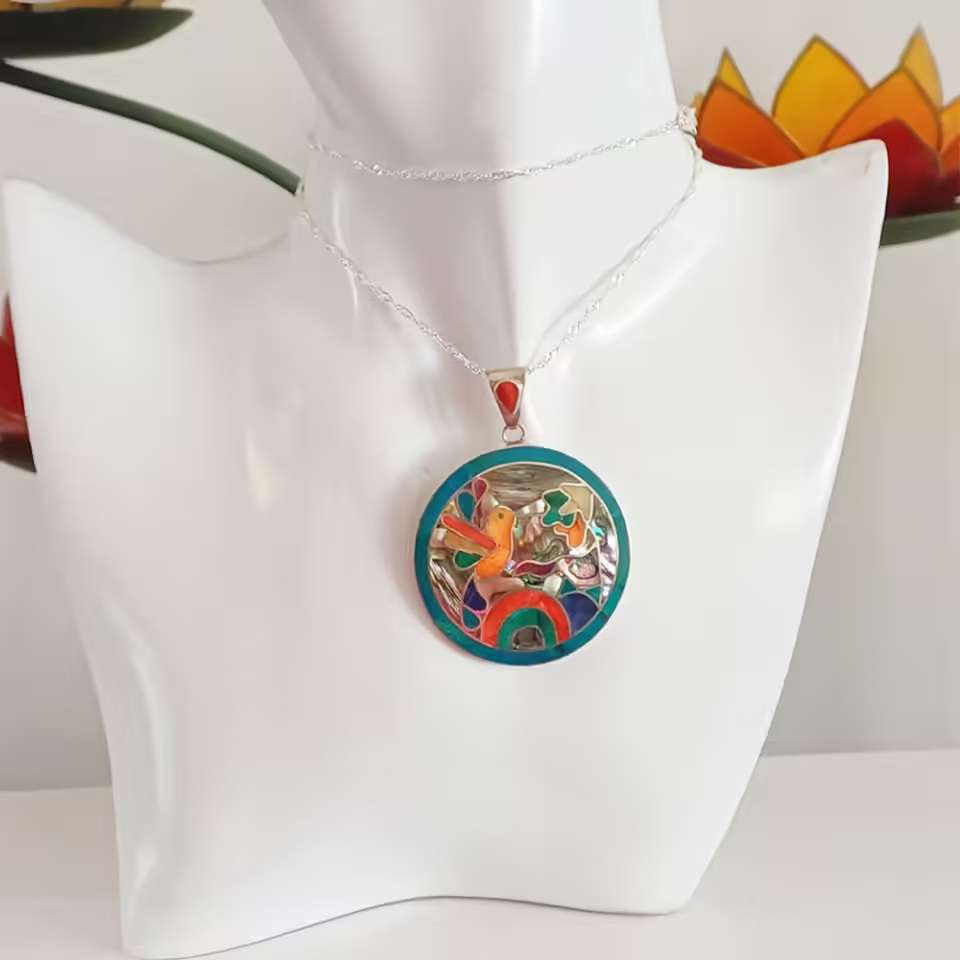
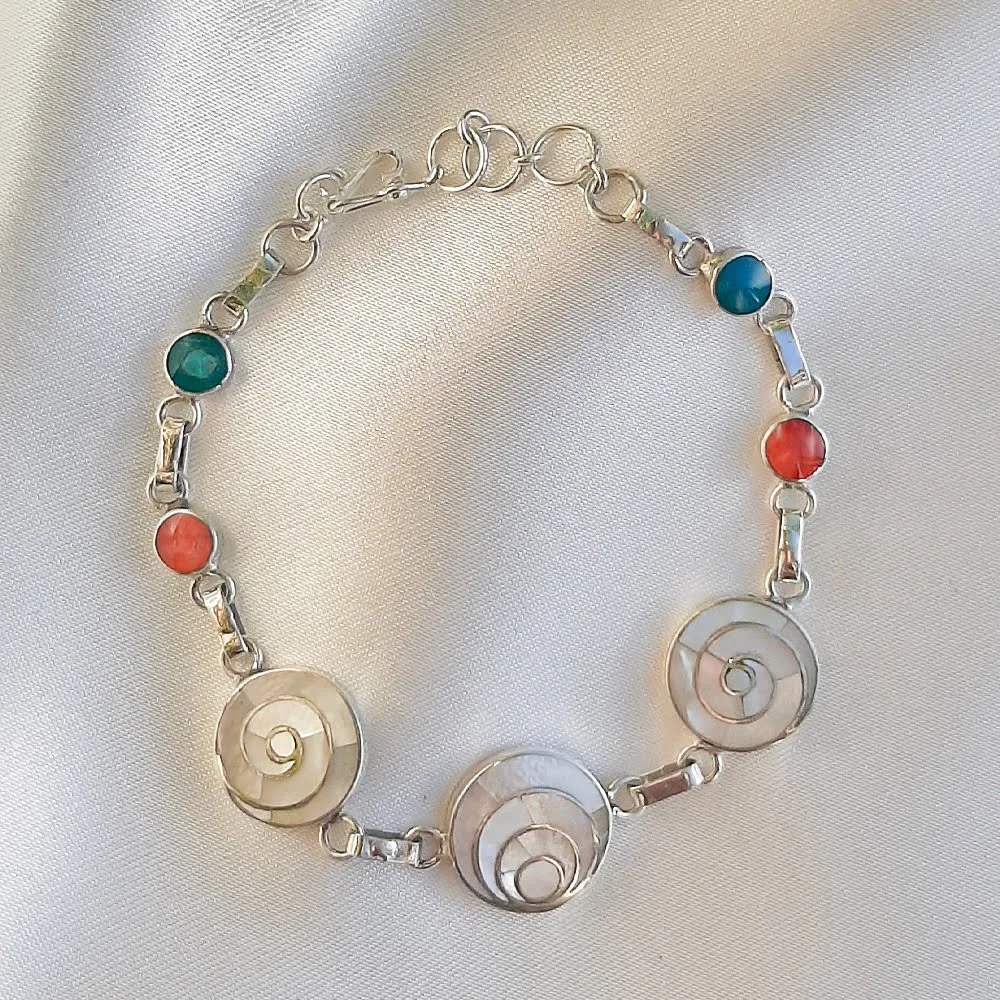

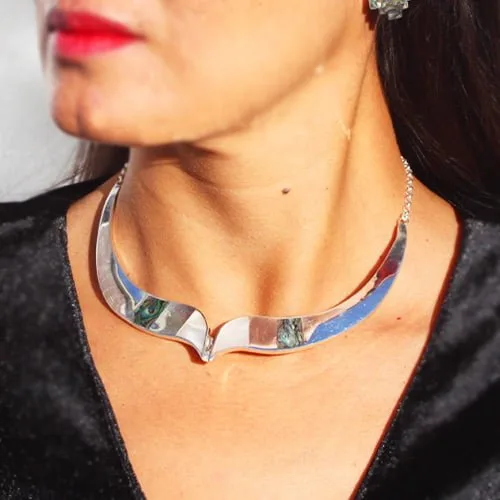
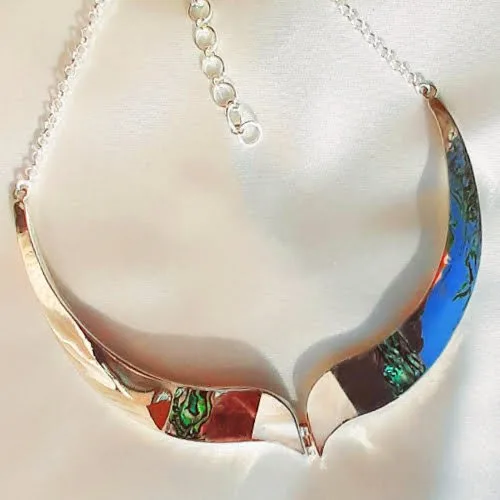
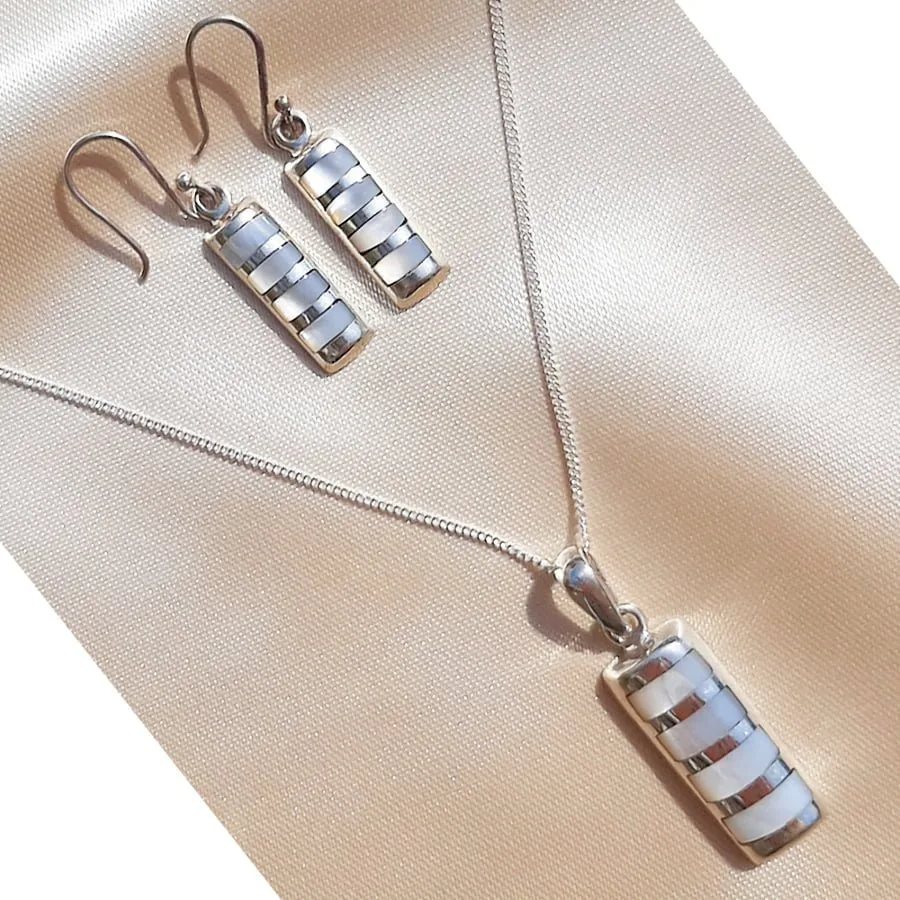
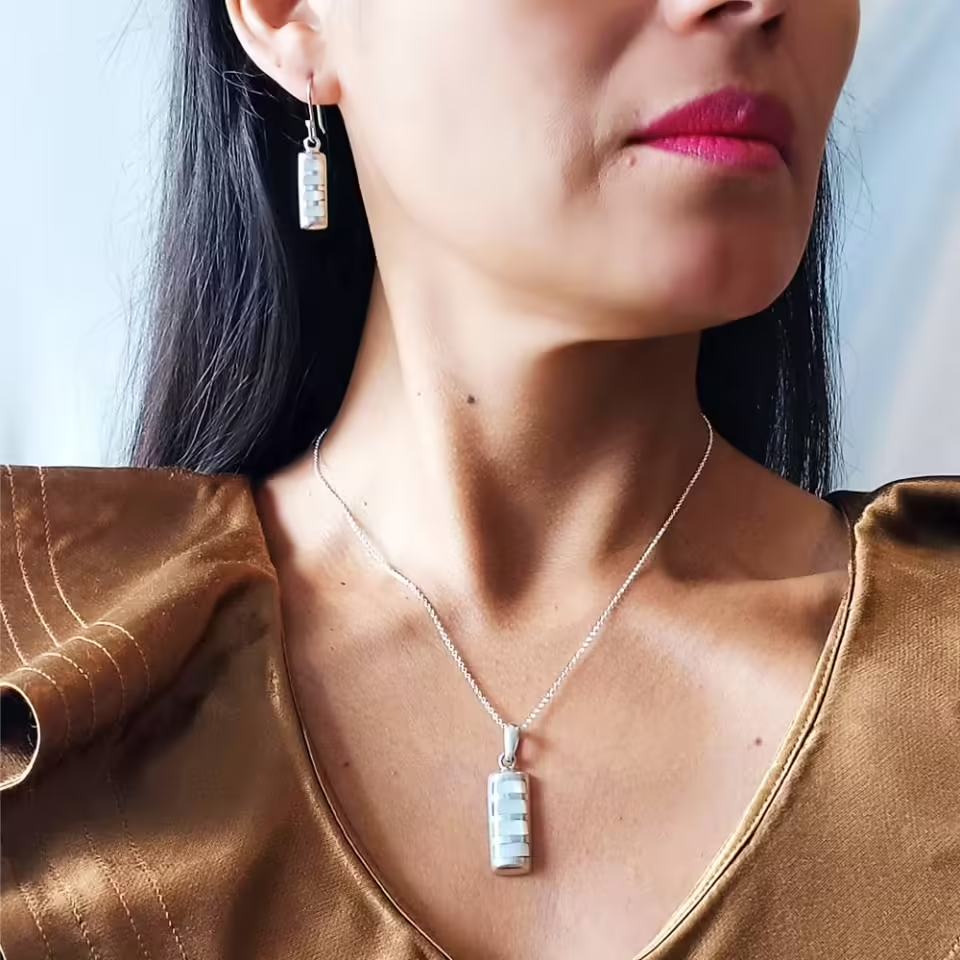
Kipu Mother Pearl Set of Pendant and Earrings
The Quipu, or khipu, was used by the Incas and Andean cultures to record and convey information. This ingenious device, without a written language, utilized colors, strings, and knots at different heights to record various data, including dates, statistics, accounts, and even abstract folk stories and poetry.