Showing 97–108 of 121 resultsSorted by popularity
The Wiphala is the flag of the Andean peoples, originating from the Aymara language. It symbolizes indigenous wisdom, embodying the principles of universal order (Pachakama) and the cosmic mother (Pachamama). Its design features the sun and day above and the moon and night below.
A mandala symbolizes the ideal universe and its creation represents a shift from suffering to joy. It serves as a meditation aid, guiding the meditator toward self-improvement.
The Andean cross, known as “chakana” in Quechua, signifies a “ladder to the highest.” It’s a four-sided ladder symbol, bridging the human world with the divine, uniting the lower and higher realms, Earth and the Sun.
The Lambayeque people of 750 AD were skilled in metallurgy and goldsmithing, creating the “Tumi,” a ceremonial dagger for sacrifices to God Naylamp. It symbolized divine power, hierarchy, prestige, and lineage, exclusively held by the nobility.
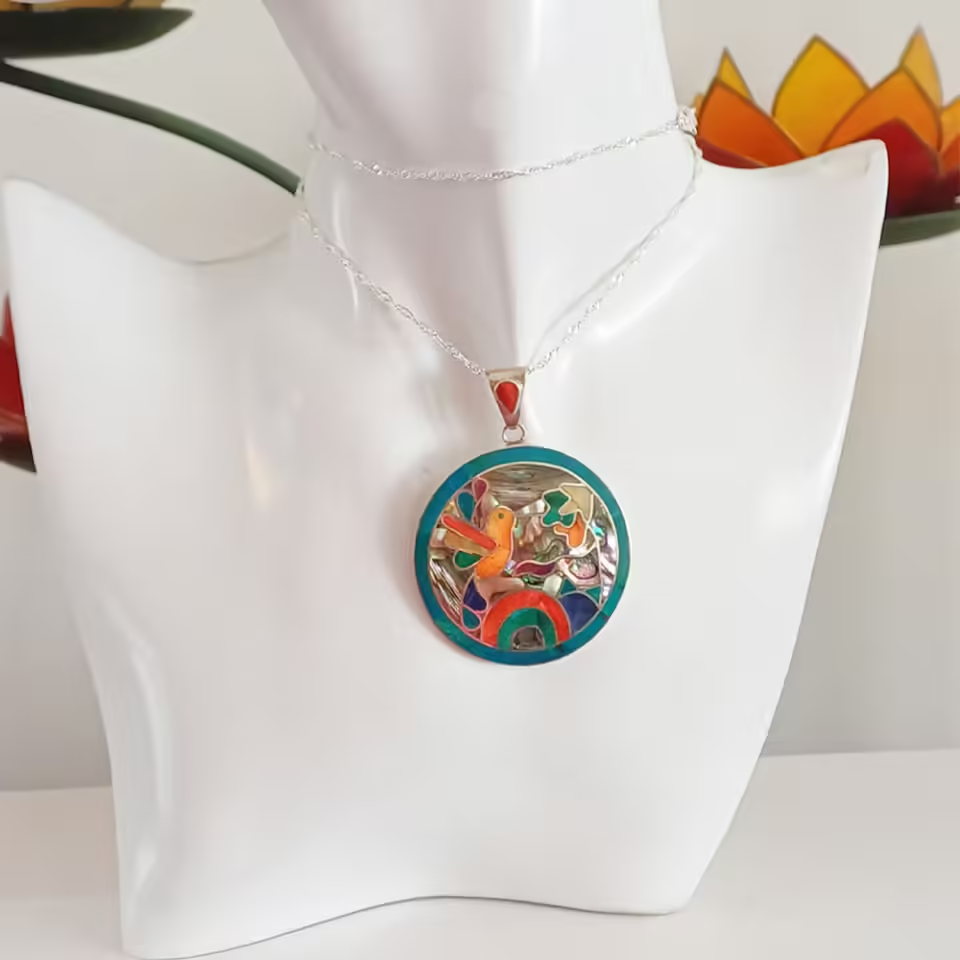
Inca culture viewed the hummingbird as a celestial messenger, while the condor was the primary spiritual messenger from the upper world. The hummingbird was significant for advancing human consciousness.
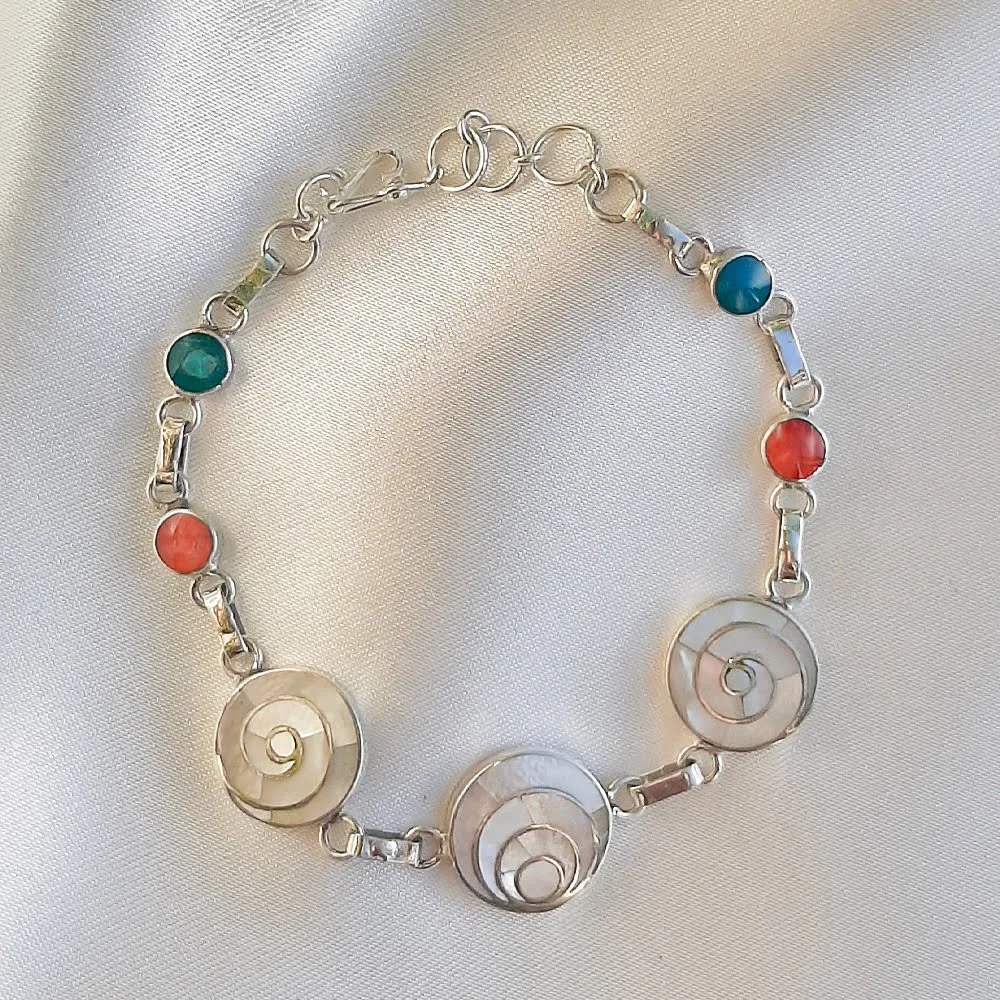
The Inca spiral signifies unity and the eternal cycle of life, connecting with water and the feminine. Abalone shells help calm emotions and create tranquility.
The heart symbol is an ideogram that is used to express the idea of affection or love, especially if it is a romantic love.
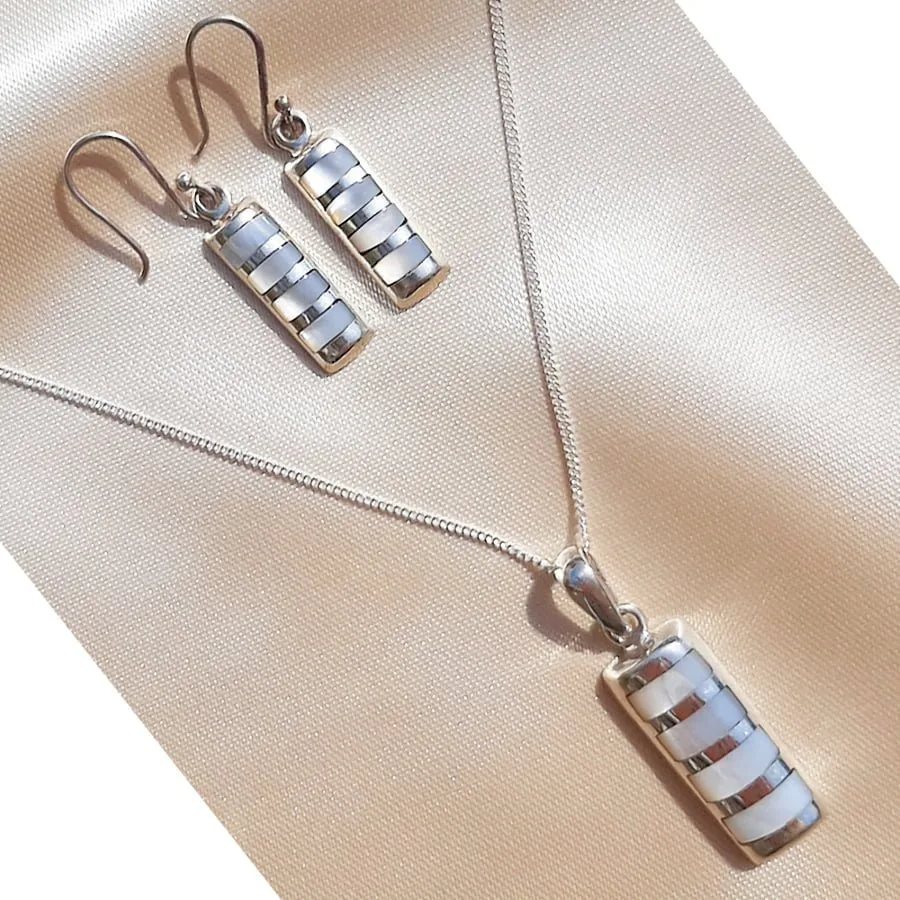
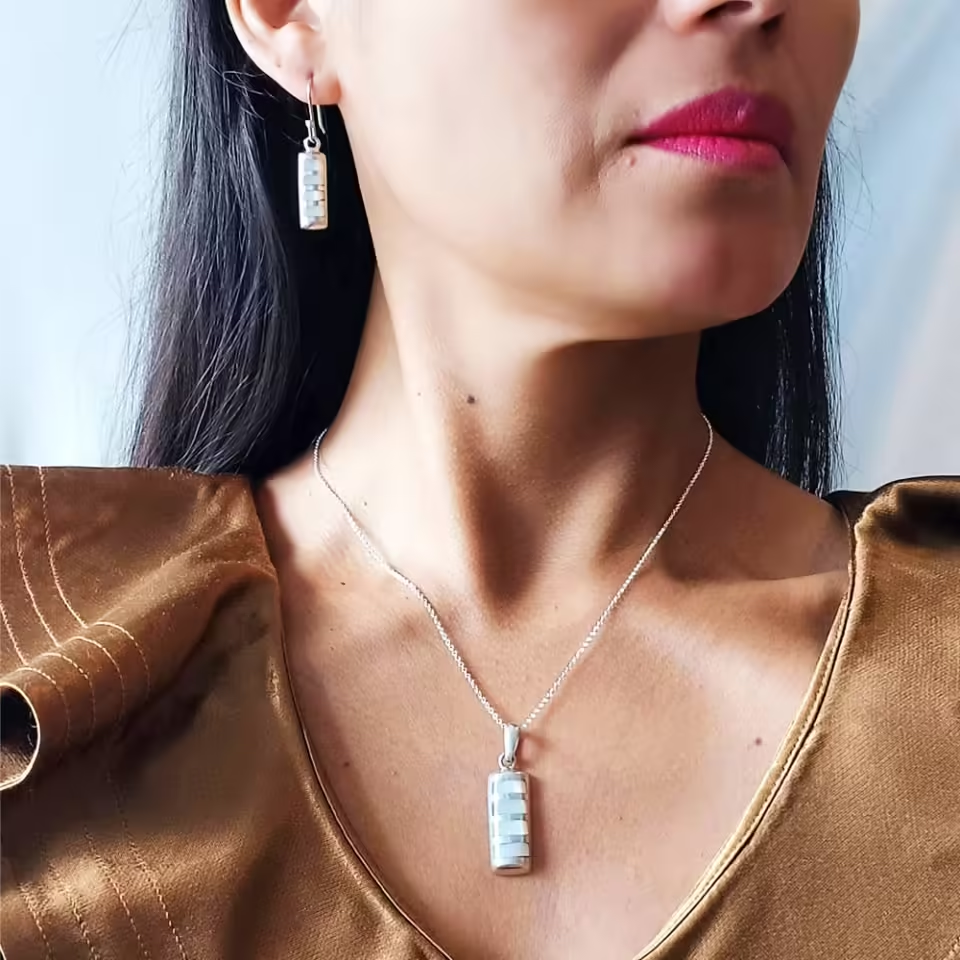
Handmade piece of jewelry with embedded stones and 950 silver. A unique model inspired by the Inca goldsmith. Created by Marassina Jewelry.
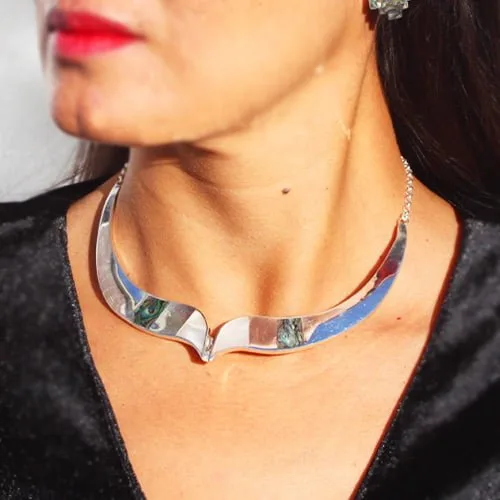
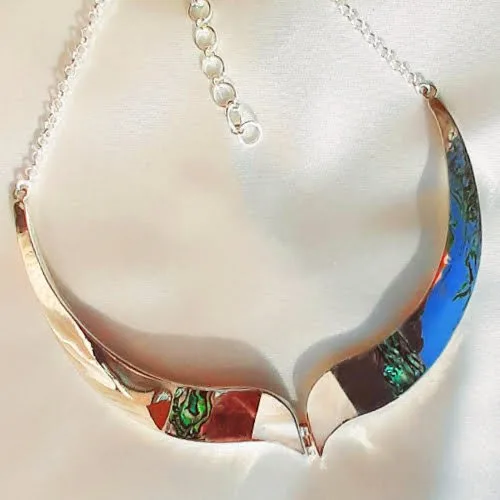
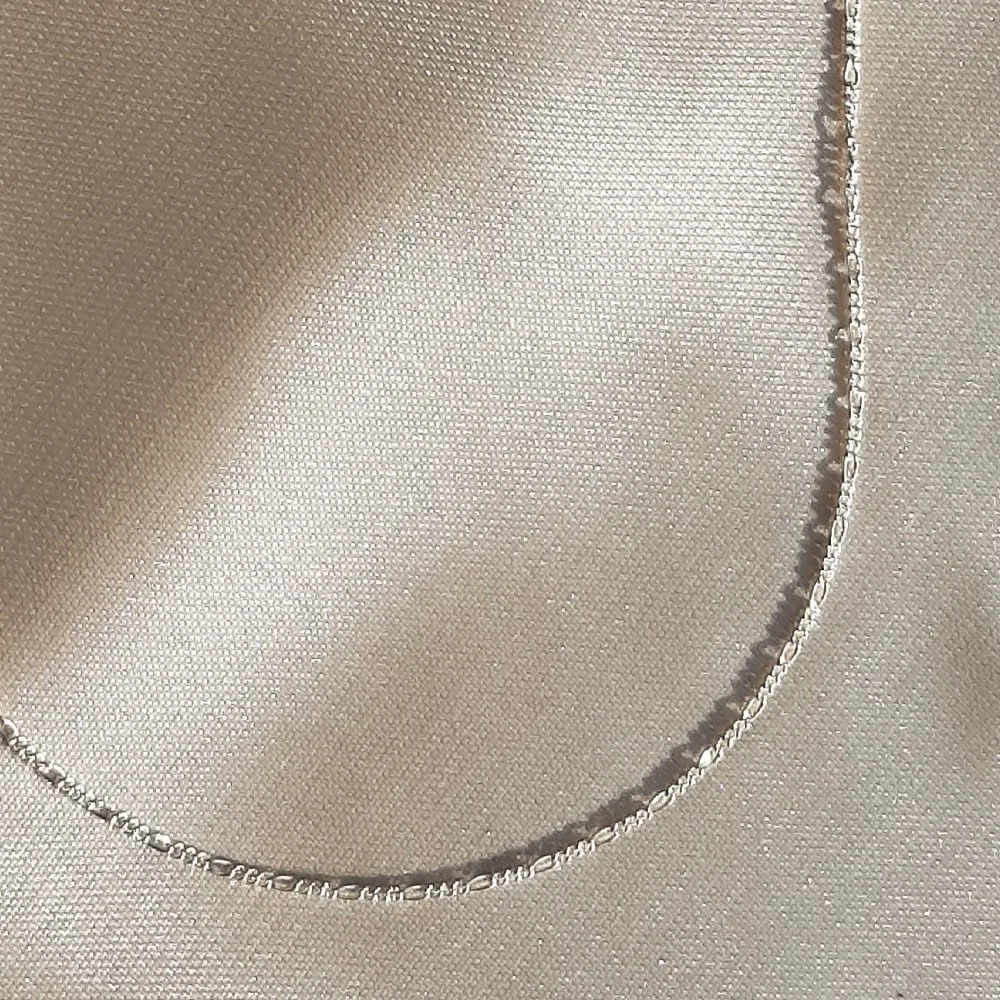
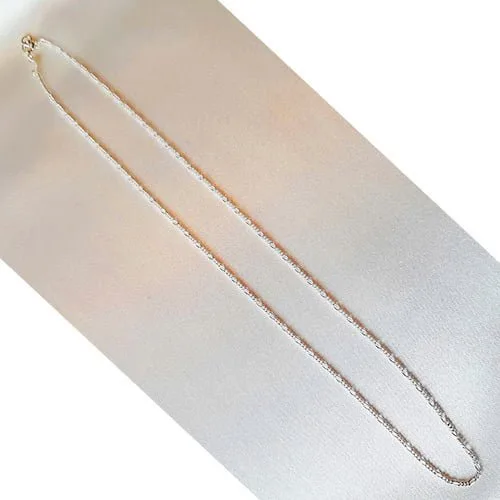
Delicate piece jewelery handmade 950 silver that fits with any fashion style.
The Quipu, or khipu, was used by the Incas and Andean cultures to record and convey information. This ingenious device, without a written language, utilized colors, strings, and knots at different heights to record various data, including dates, statistics, accounts, and even abstract folk stories and poetry.