Showing 73–84 of 85 resultsSorted by popularity
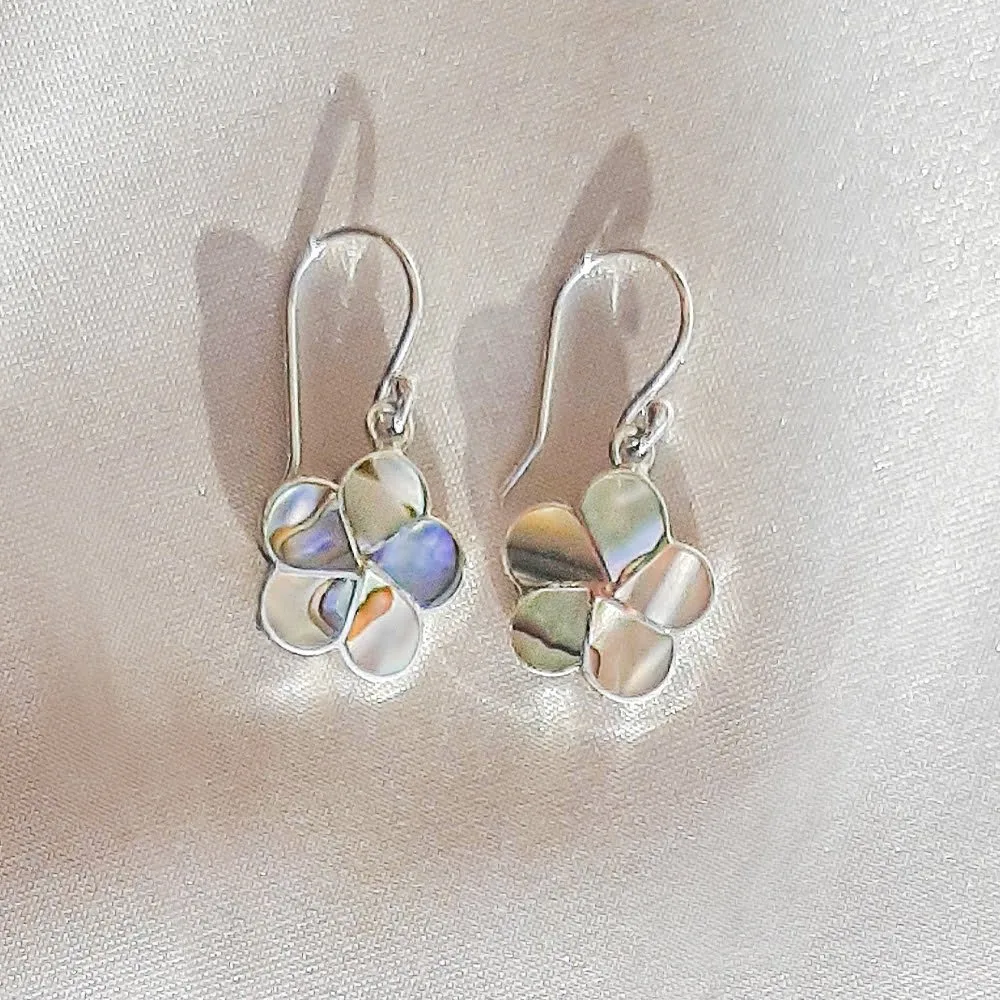
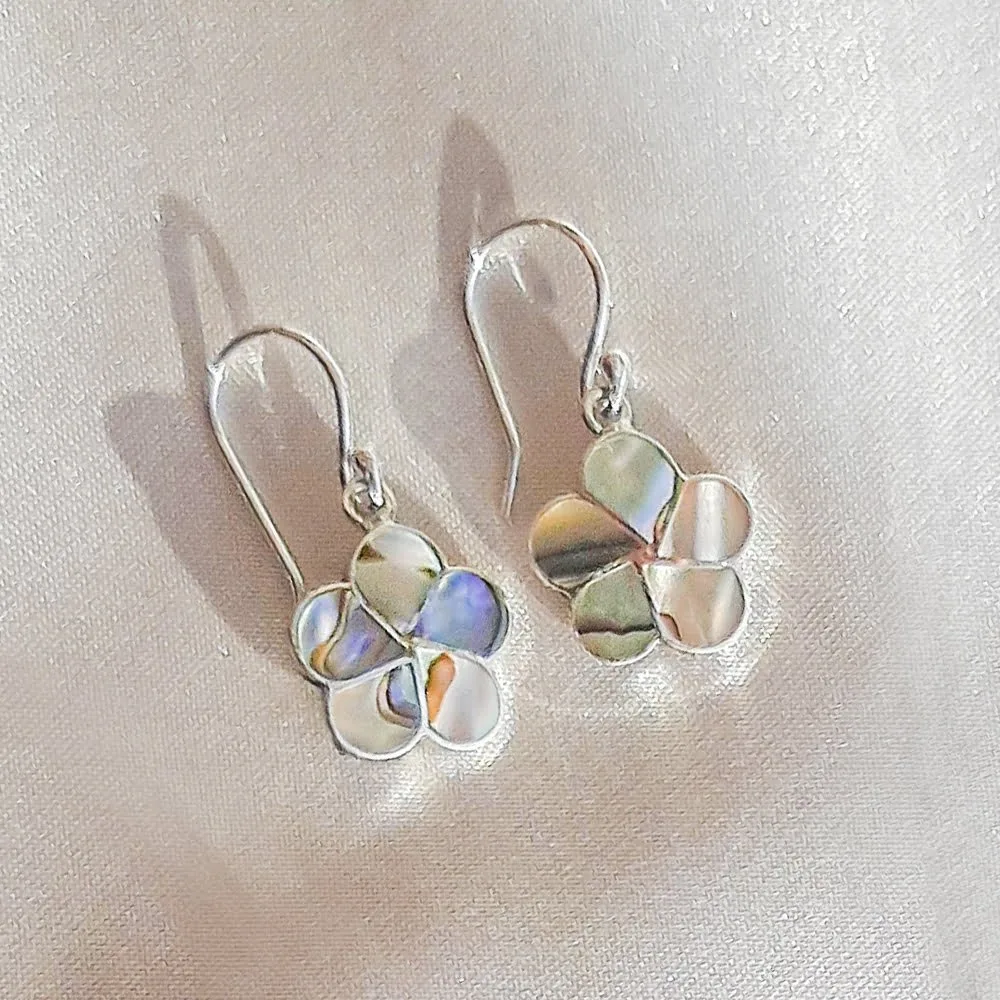
The daisy flower symbolized motherhood and childbirth and through that was associated with love, sensuality, and fertility.
The Wiphala is the flag of the Andean peoples, originating from the Aymara language. It symbolizes indigenous wisdom, embodying the principles of universal order (Pachakama) and the cosmic mother (Pachamama). Its design features the sun and day above and the moon and night below.
A mandala symbolizes the ideal universe and its creation represents a shift from suffering to joy. It serves as a meditation aid, guiding the meditator toward self-improvement.
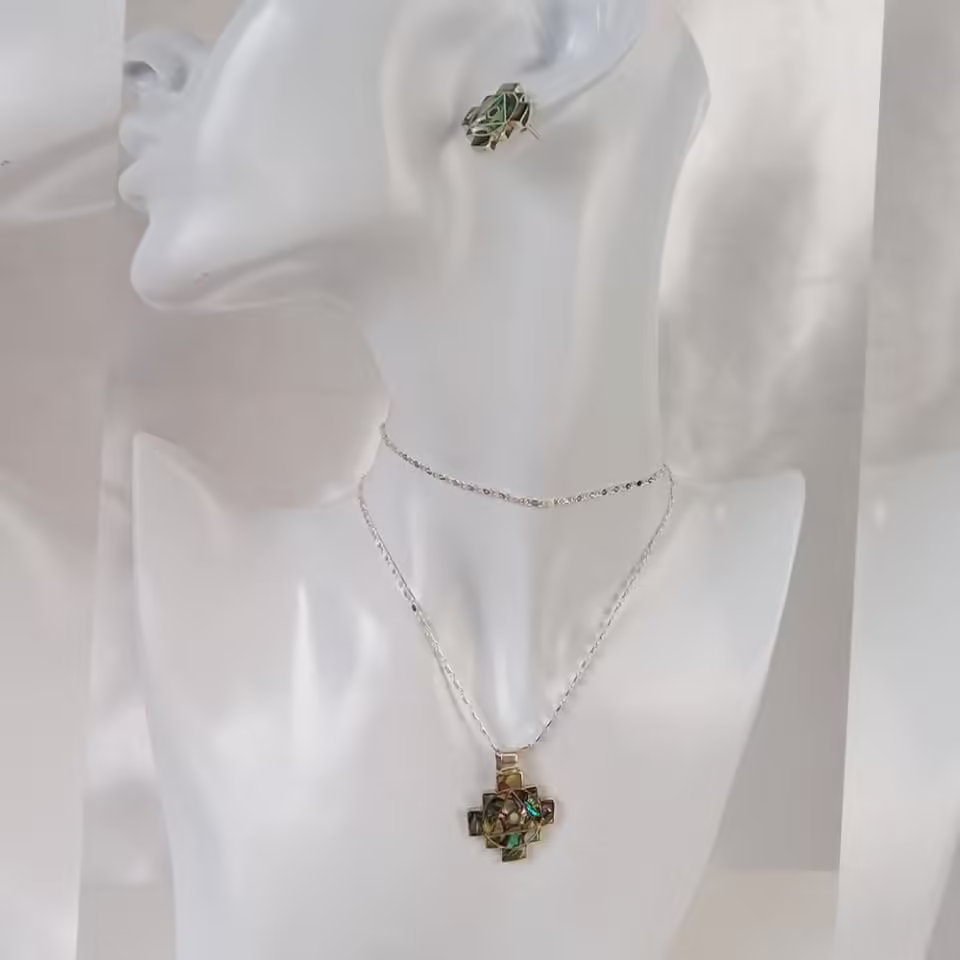
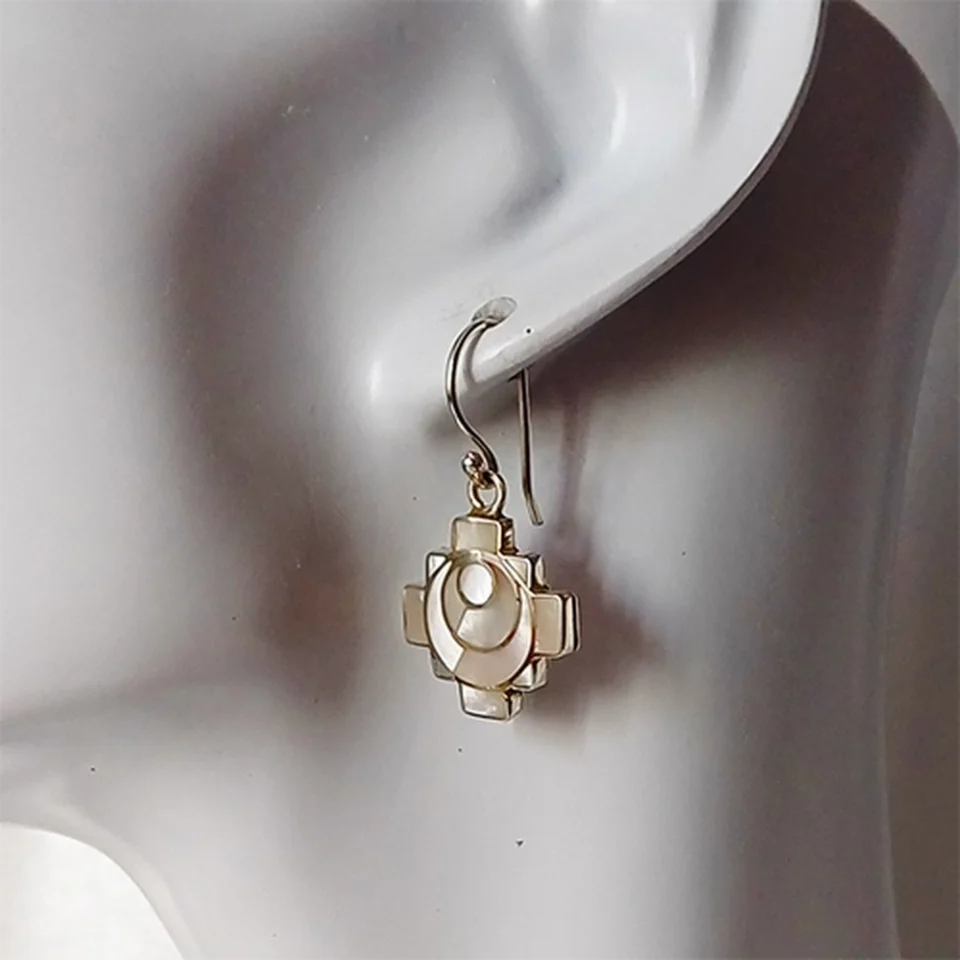
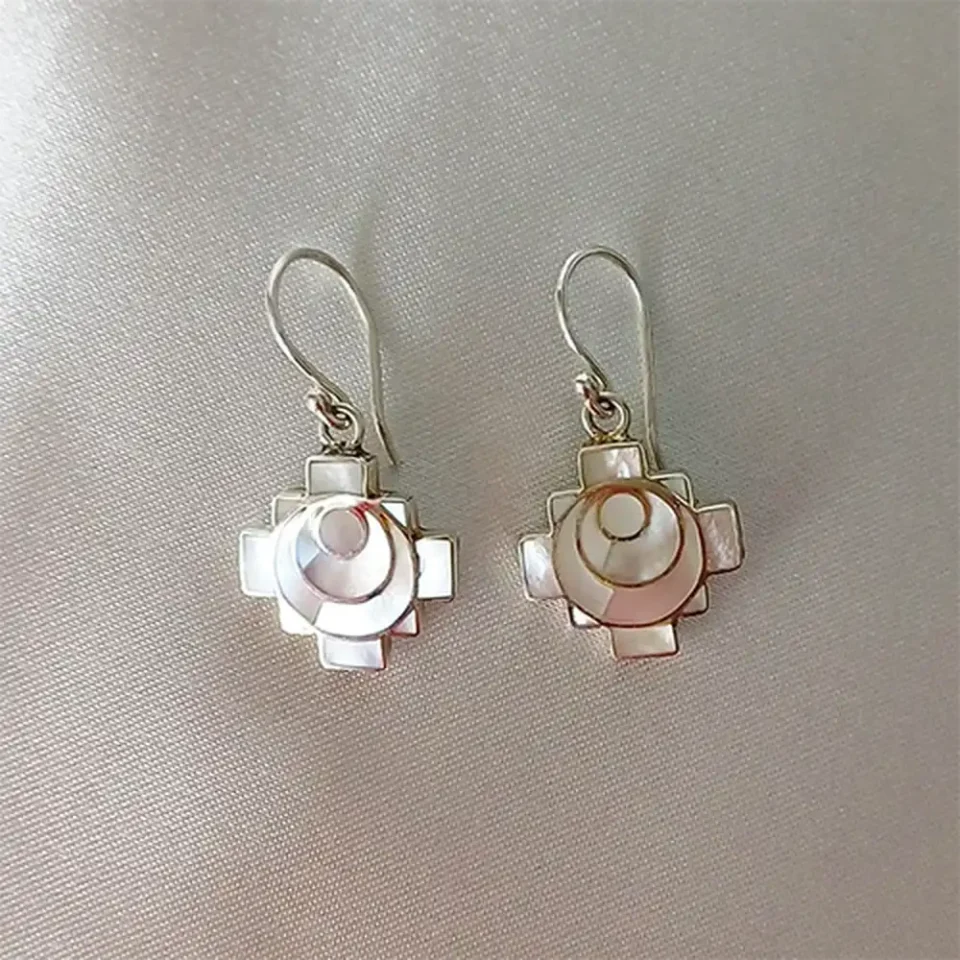
The Andean cross, known as “chakana” in Quechua, signifies a “ladder to the highest.” It’s a four-sided ladder symbol, bridging the human world with the divine, uniting the lower and higher realms, Earth and the Sun.
The heart symbol is an ideogram that is used to express the idea of affection or love, especially if it is a romantic love.
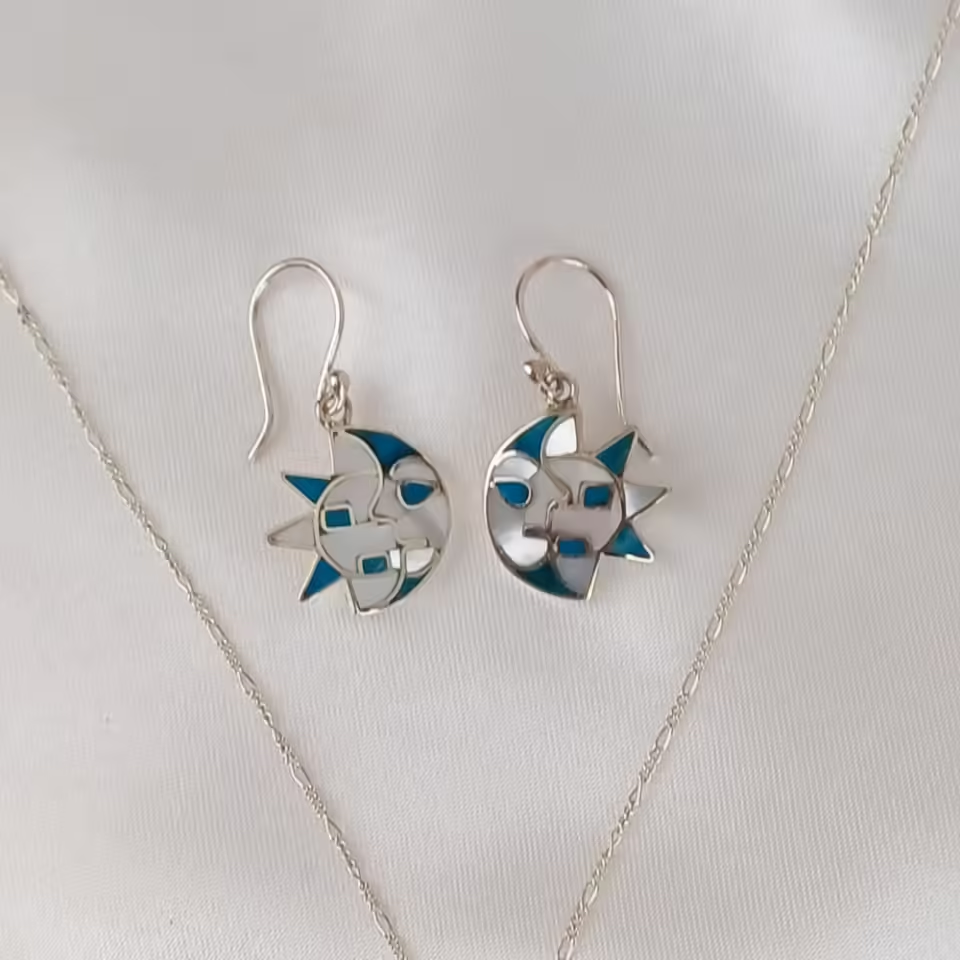
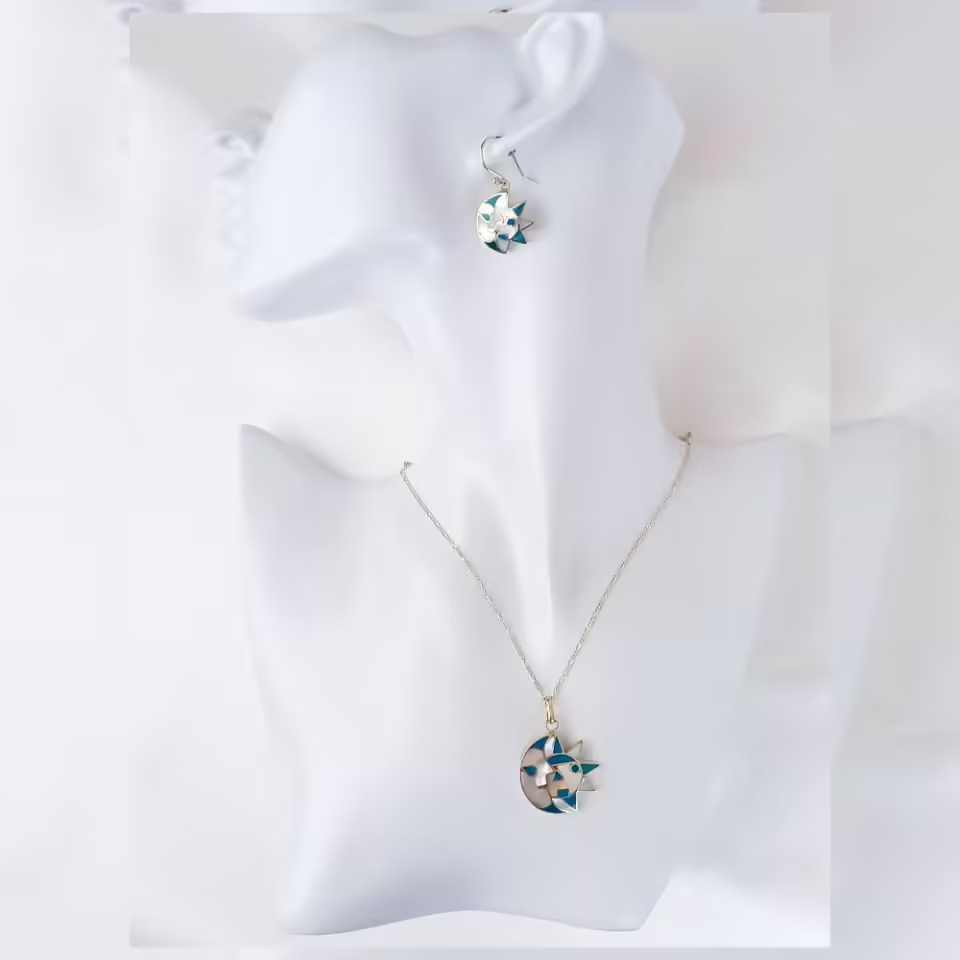
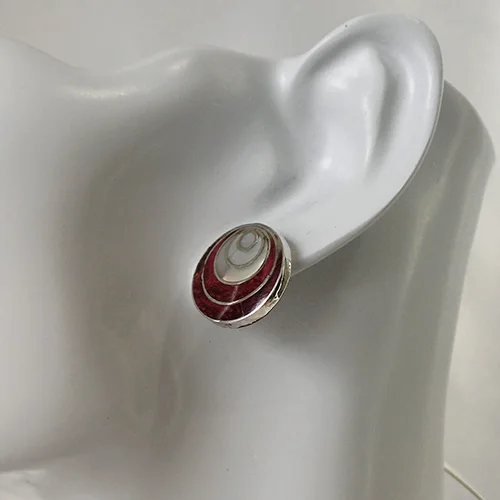
Delicate piece of jewelry handmade with 950 silver with embedded stones. A jewel that combines with a cocktail or evening dress and can be worn on any occasion.
The Quipu, or khipu, was used by the Incas and Andean cultures to record and convey information. This ingenious device, without a written language, utilized colors, strings, and knots at different heights to record various data, including dates, statistics, accounts, and even abstract folk stories and poetry.
Crowns are mainly symbols of royalty. They’re worn to symbolize the absolute authority of the wearer. But crown symbolism runs deeper, too. They’ve historically represented everything from victory in battle to the divine immortality of the wearer.
The daisy symbolizes motherhood, childbirth, and love. Lapis lazuli is a spiritual stone associated with truth, friendship, and harmony in relationships. It enhances awareness and judgment, deepening connections.