Showing 25–36 of 74 resultsSorted by popularity
The Lambayeque people of 750 AD were skilled in metallurgy and goldsmithing, creating the “Tumi,” a ceremonial dagger for sacrifices to God Naylamp. It symbolized divine power, hierarchy, prestige, and lineage, exclusively held by the nobility. Discover the beauty of ceremonial tumi mother pearl pendants.
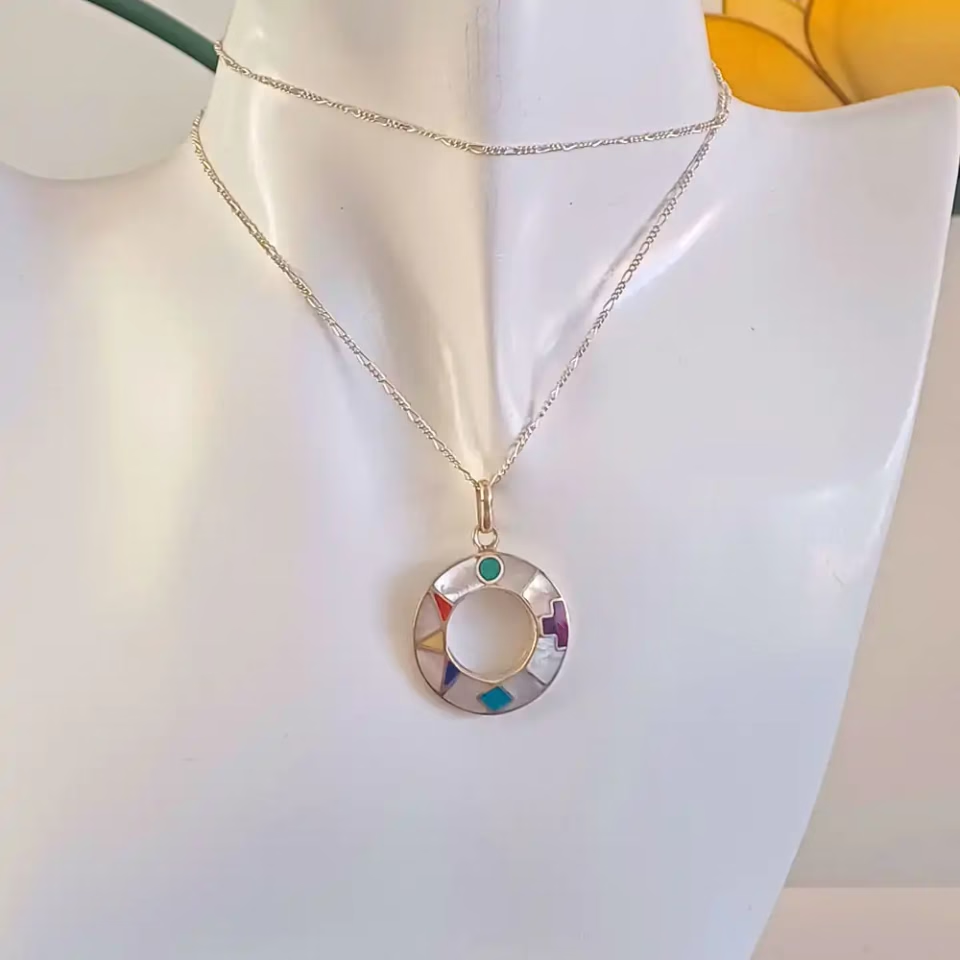
The Inca calendar, tailored to the Cuzco Valley environment and culture, served as the basis for governing the Inca Empire. It featured 12 synodic months, calculated from one new moon to the next. Discover the beauty of inca calendar nacre rainbow pendats.
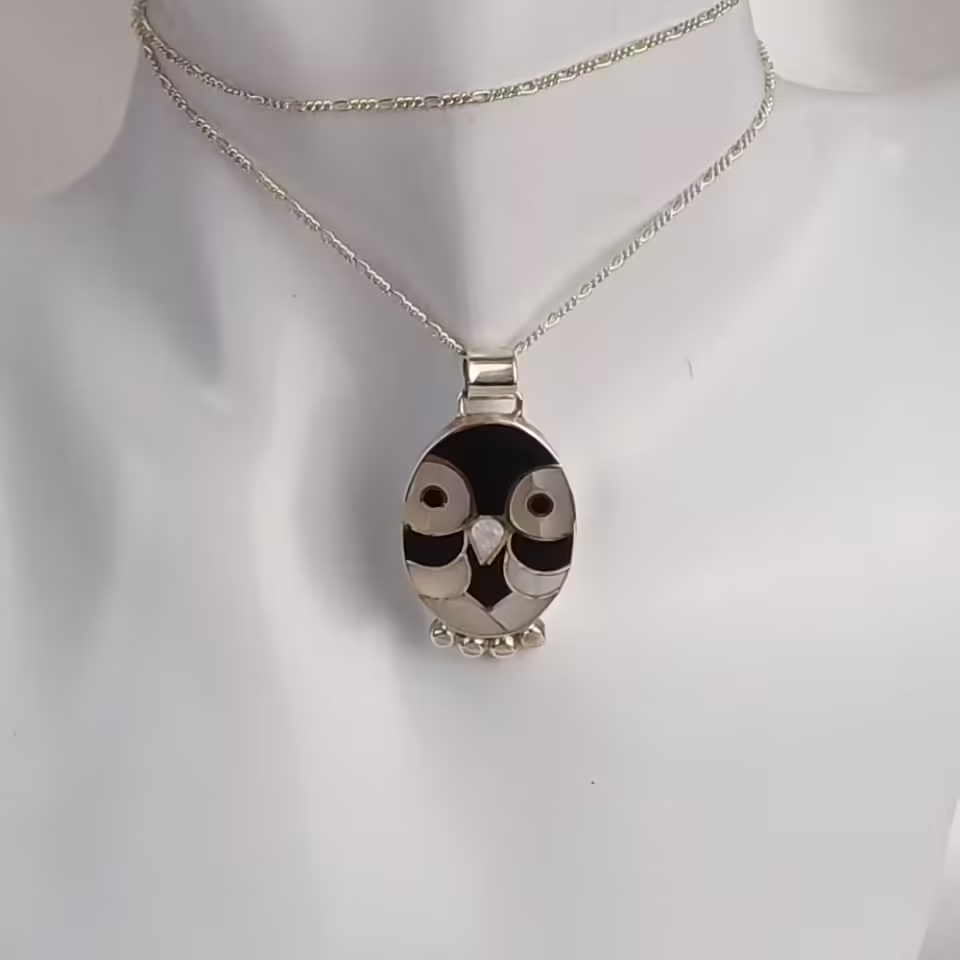
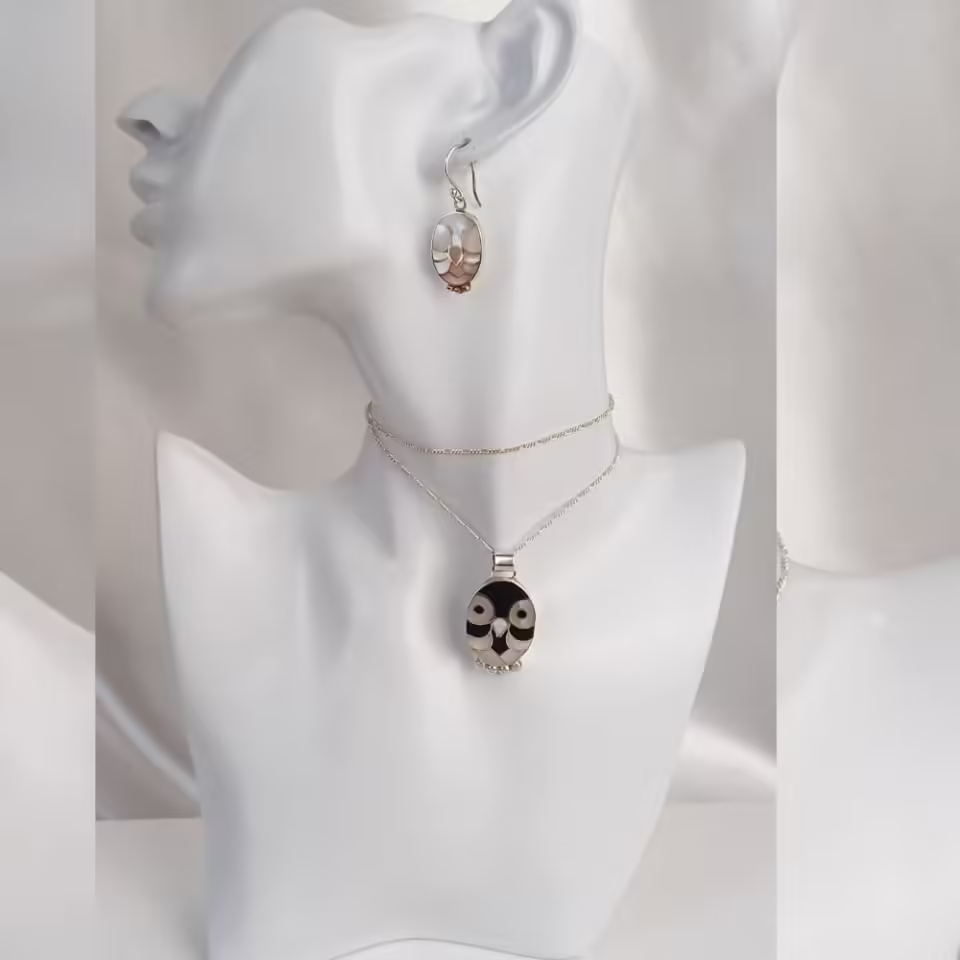
Among the Moche, the owl, known for its nocturnal skills, is depicted in ceramics and metal. It aids shamans in their supernatural journeys and symbolizes sacred power, connecting specific individuals to the divine world.
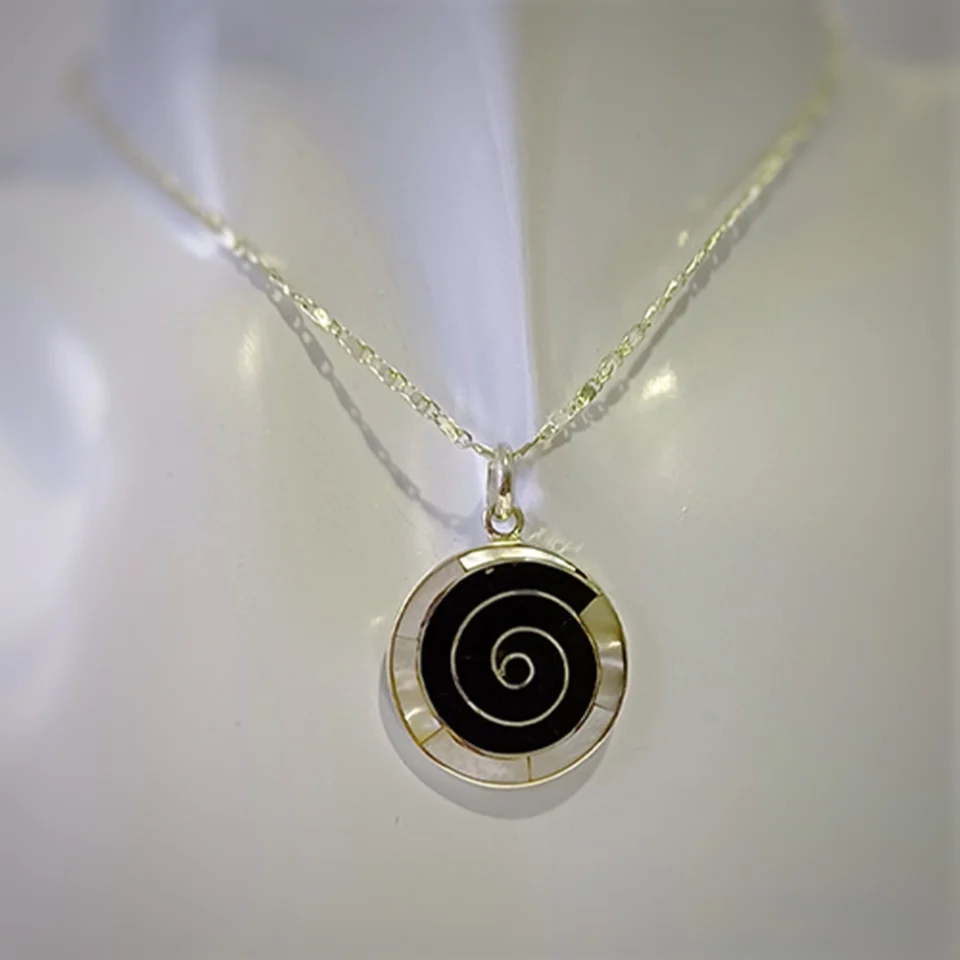
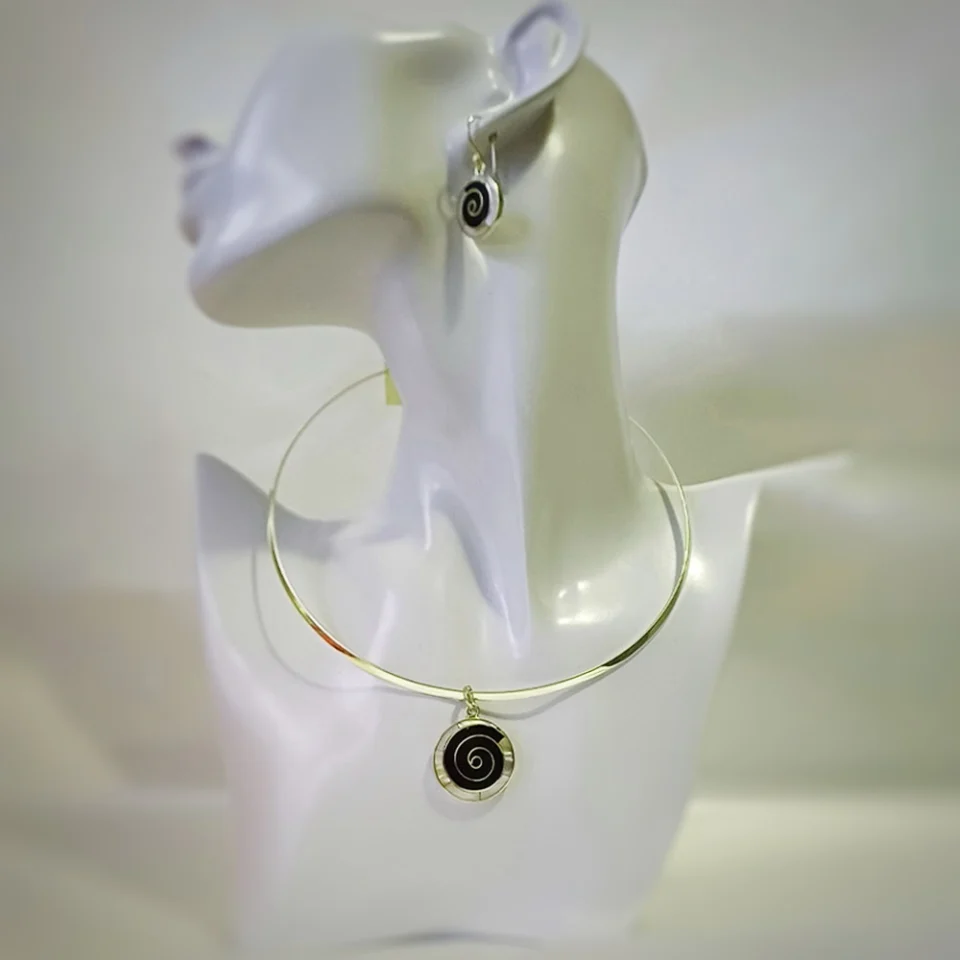
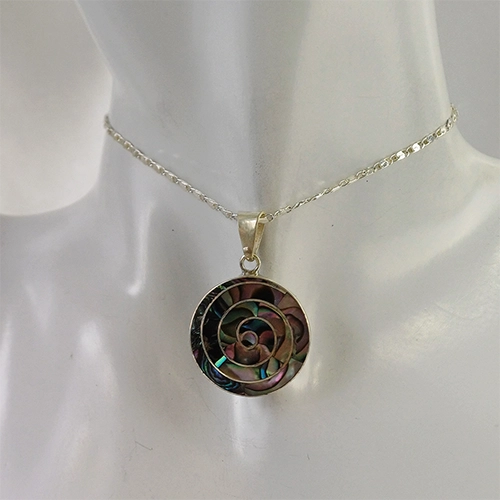
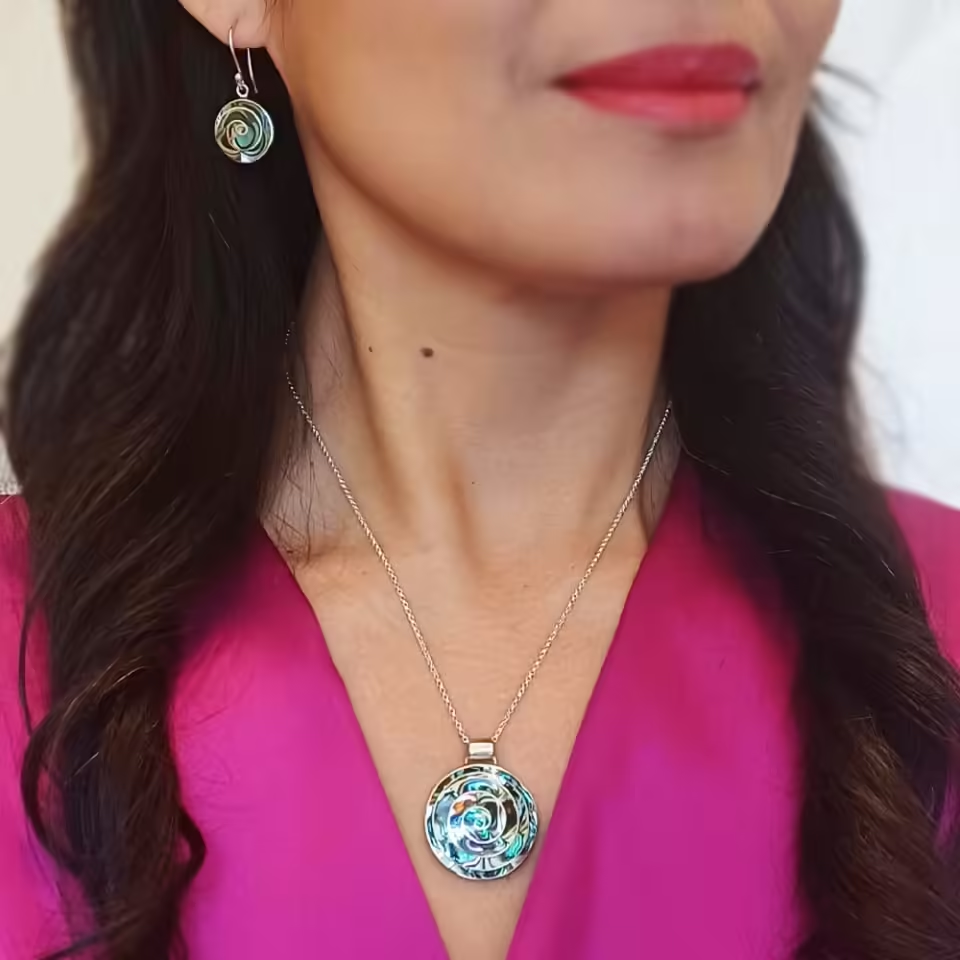
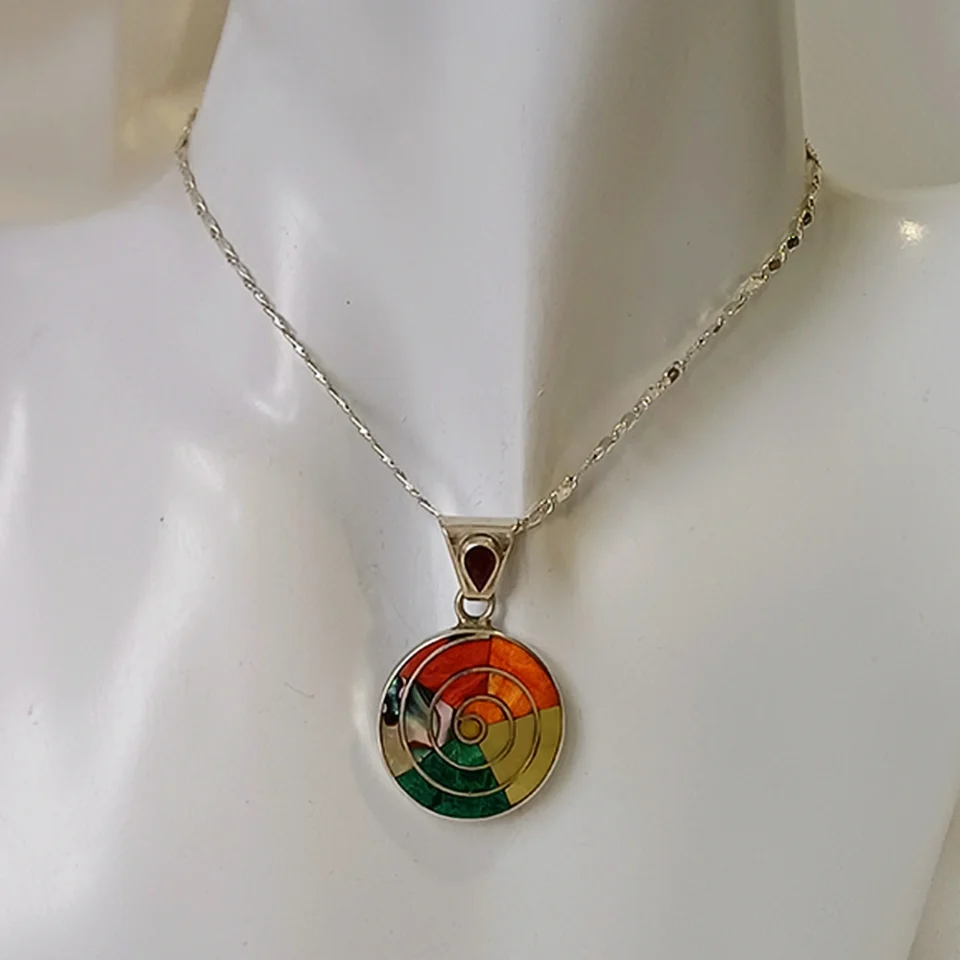
The Inca Mother Earth and Pachamama spiral in the Quechua language is an ancient symbol of unity, wholeness and completion. It represents the endless cycle of life and a path to the Creator. Spiritual combination of these colors: The combination of purple, orange, abalone and green could symbolize a spiritual journey that integrates intuition and wisdom (purple), with creativity and vitality (orange), transformation and flexibility (abalone), and healing and unconditional love (green). Together, these colors could represent a holistic balance between body, mind and spirit, promoting both personal evolution and connection with the divine and natural.
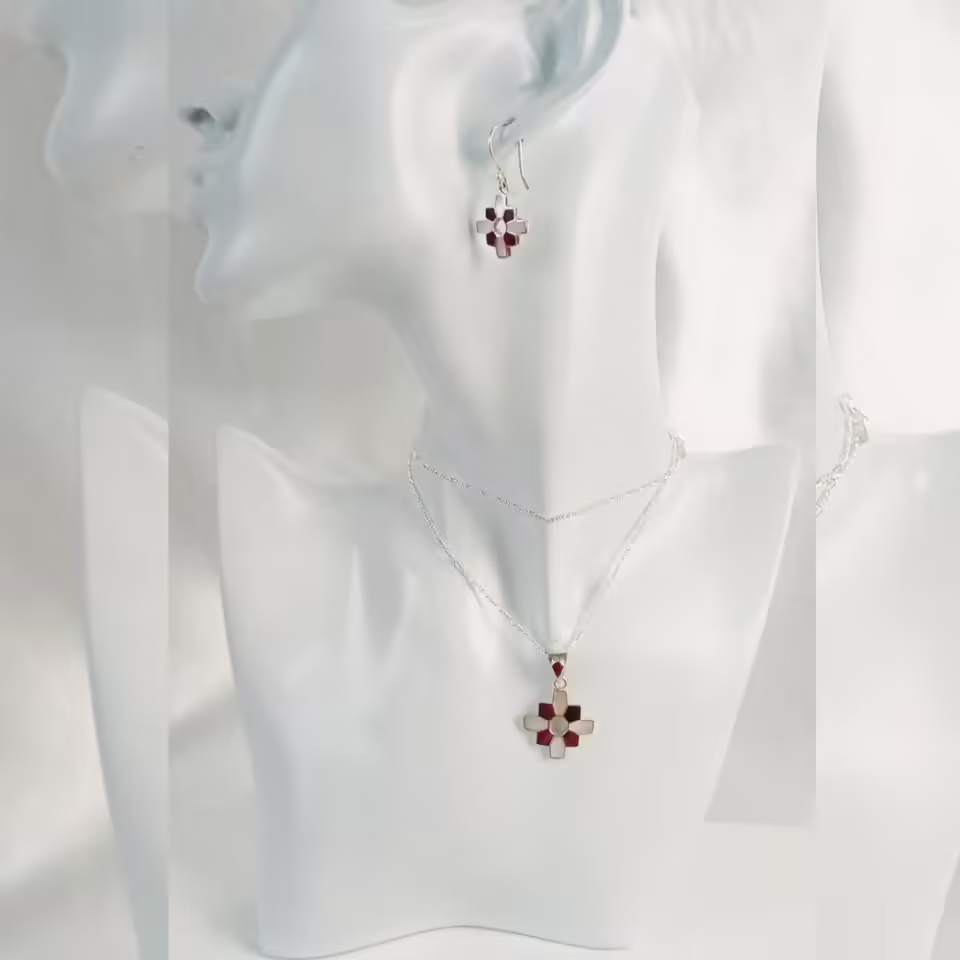
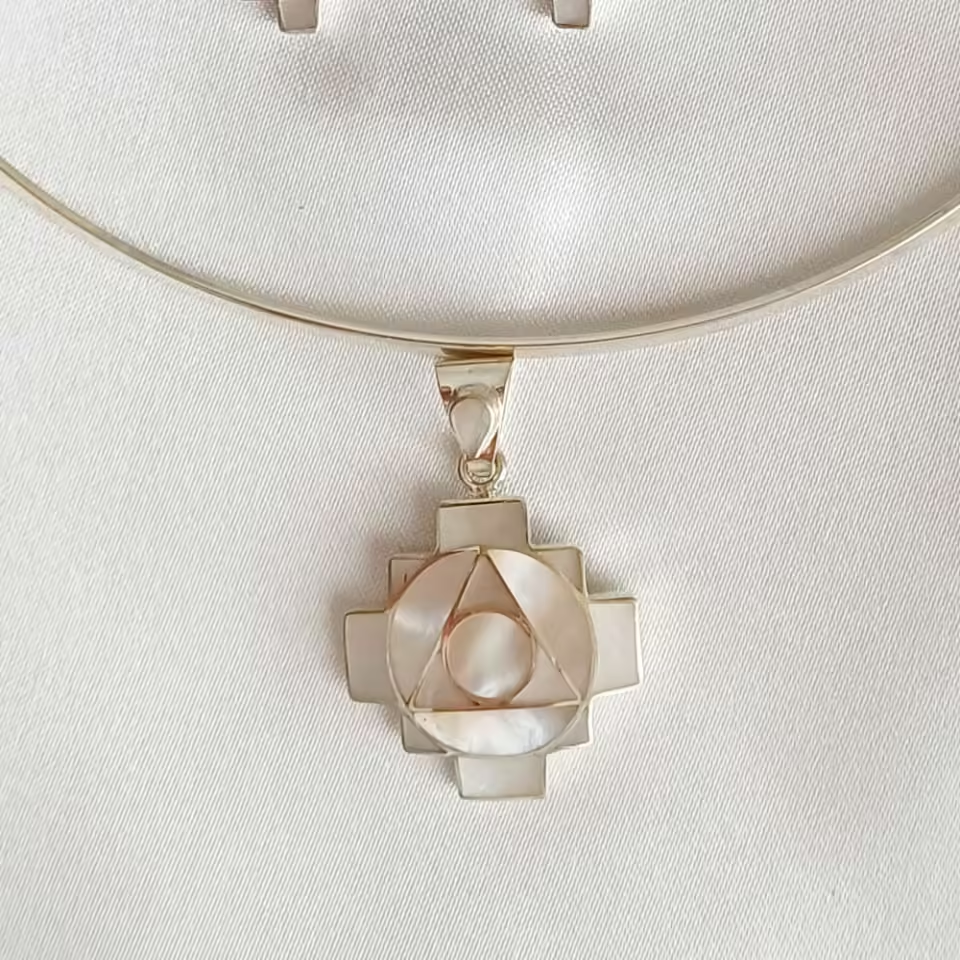
The Andean cross, known as “chakana” in Quechua, signifies a “ladder to the highest.” It’s a four-sided ladder symbol, bridging the human world with the divine, uniting the lower and higher realms, Earth and the Sun.
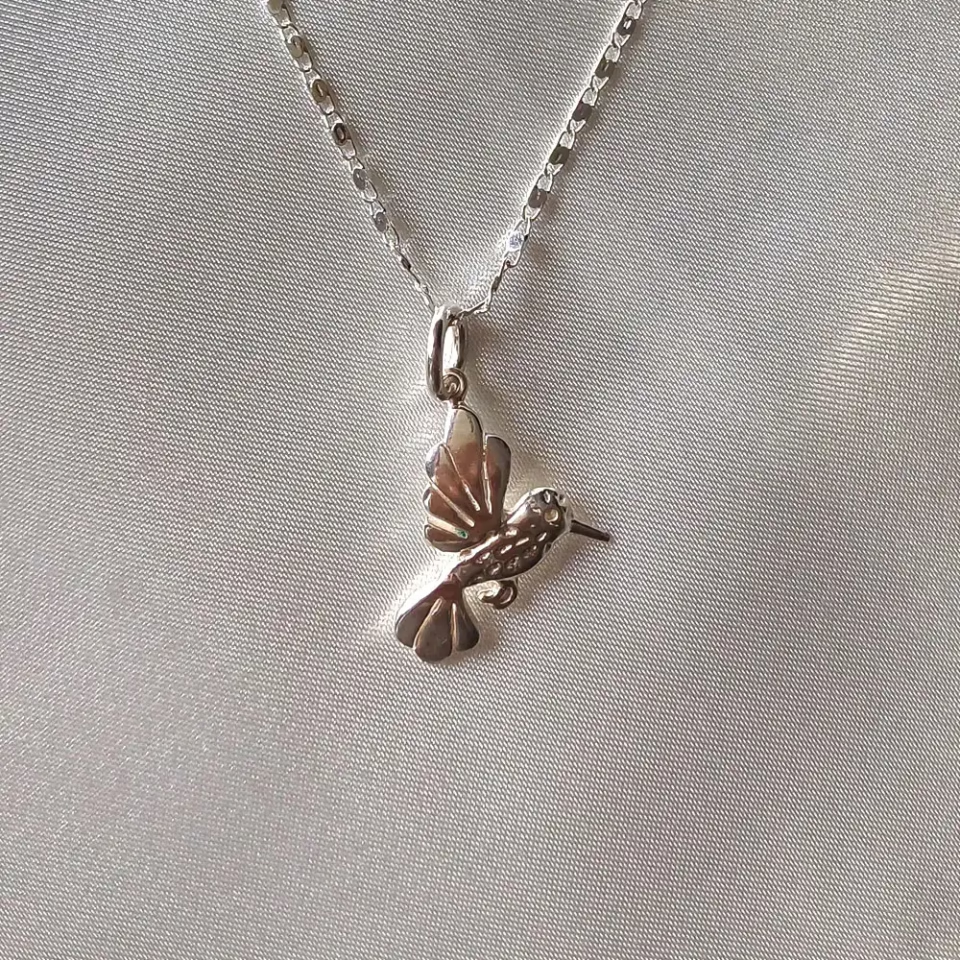
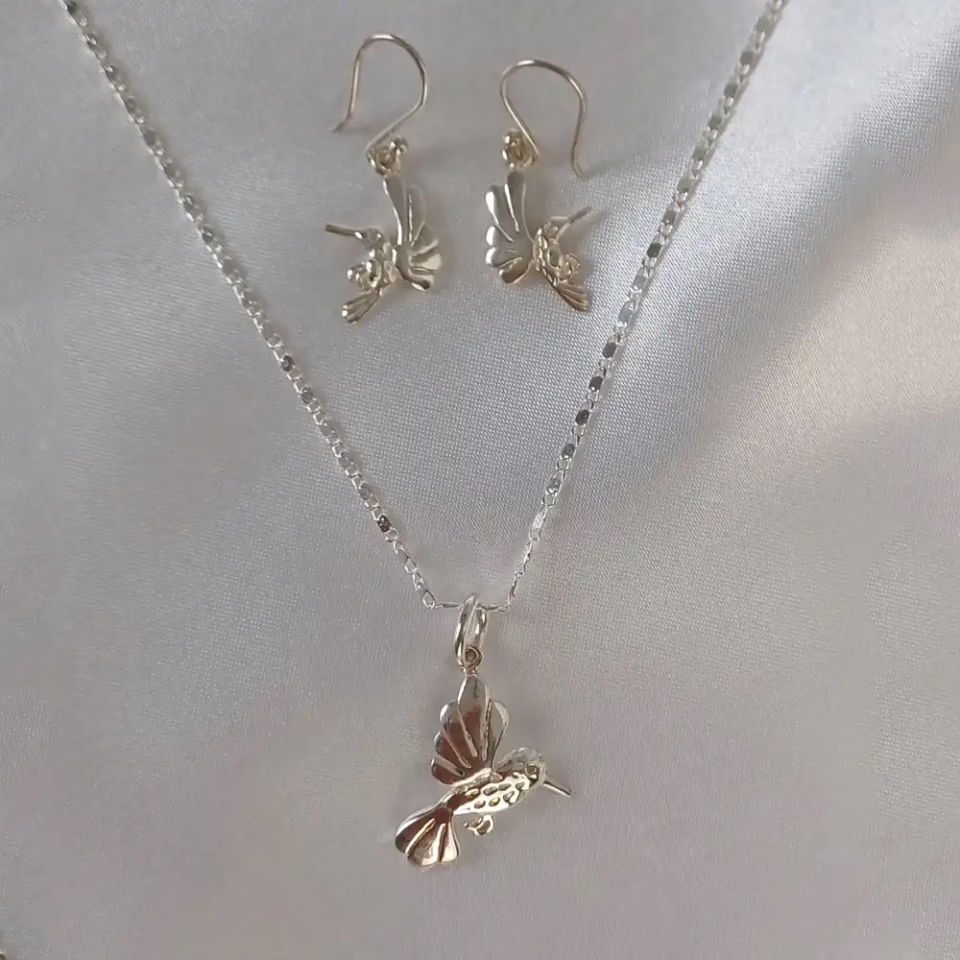
Inca culture viewed the hummingbird as a celestial messenger, while the condor was the primary spiritual messenger from the upper world. The hummingbird was significant for advancing human consciousness.
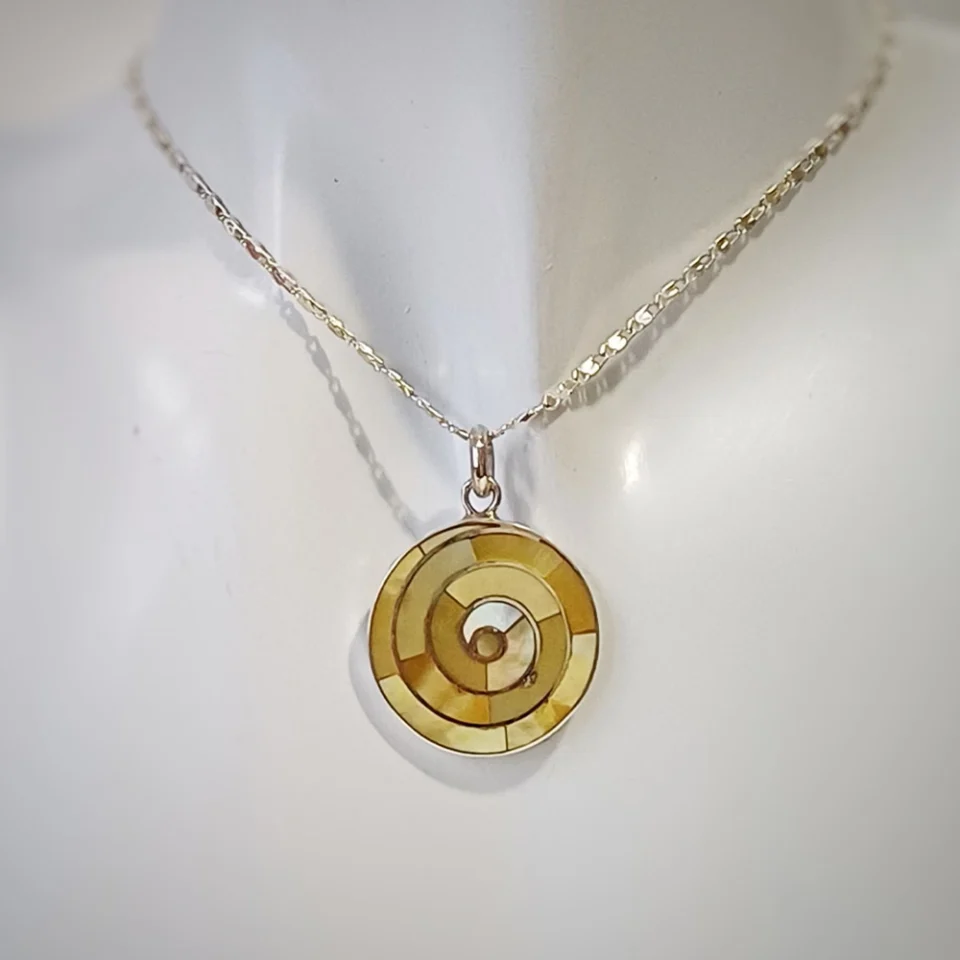
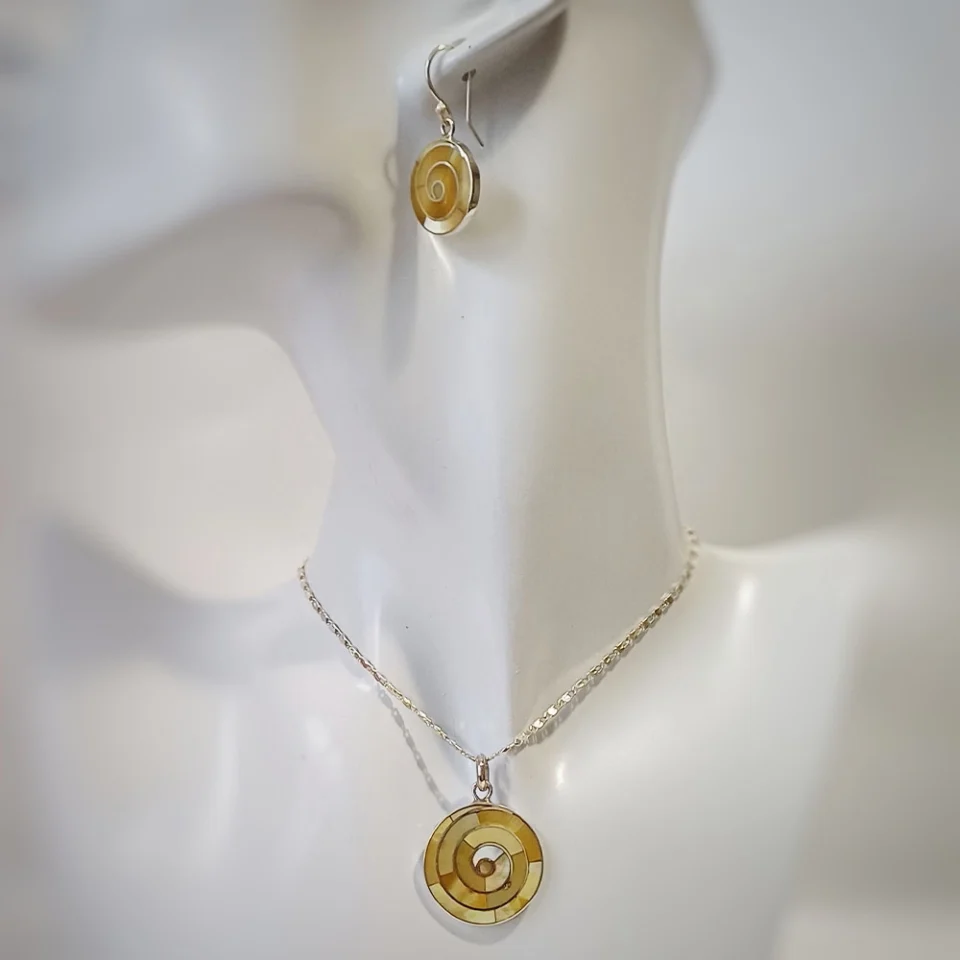
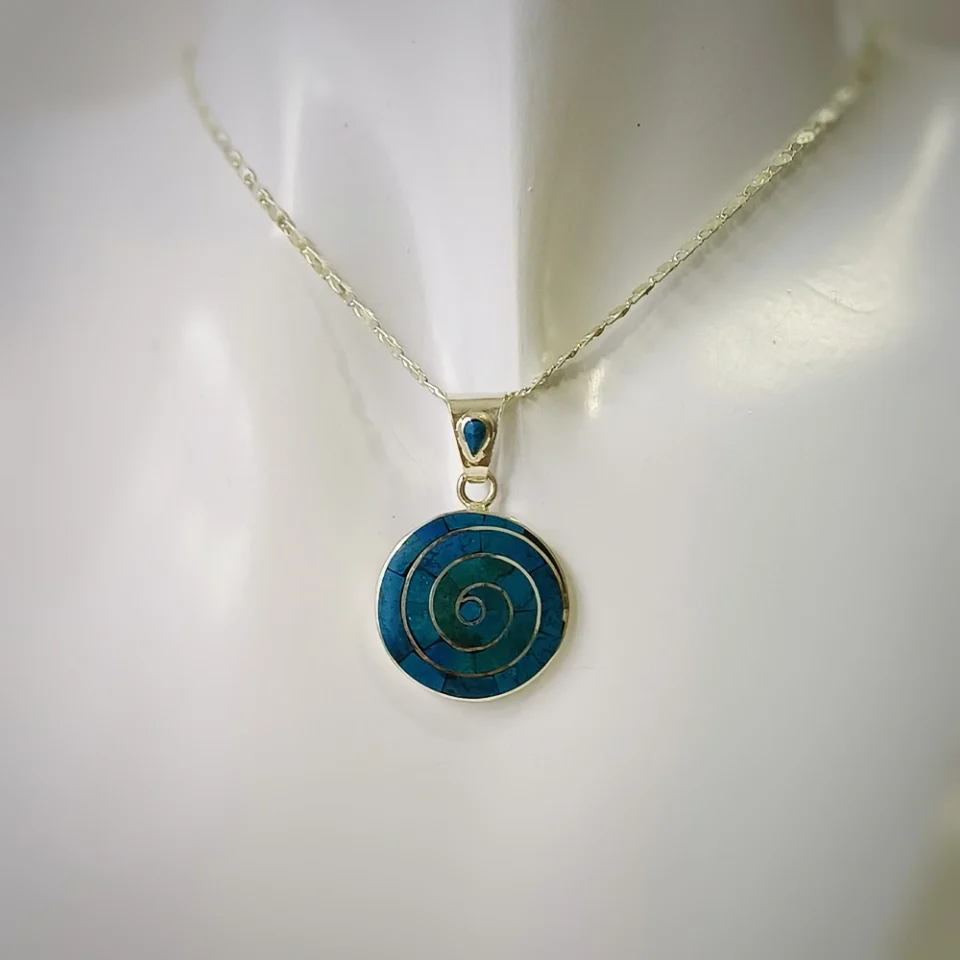
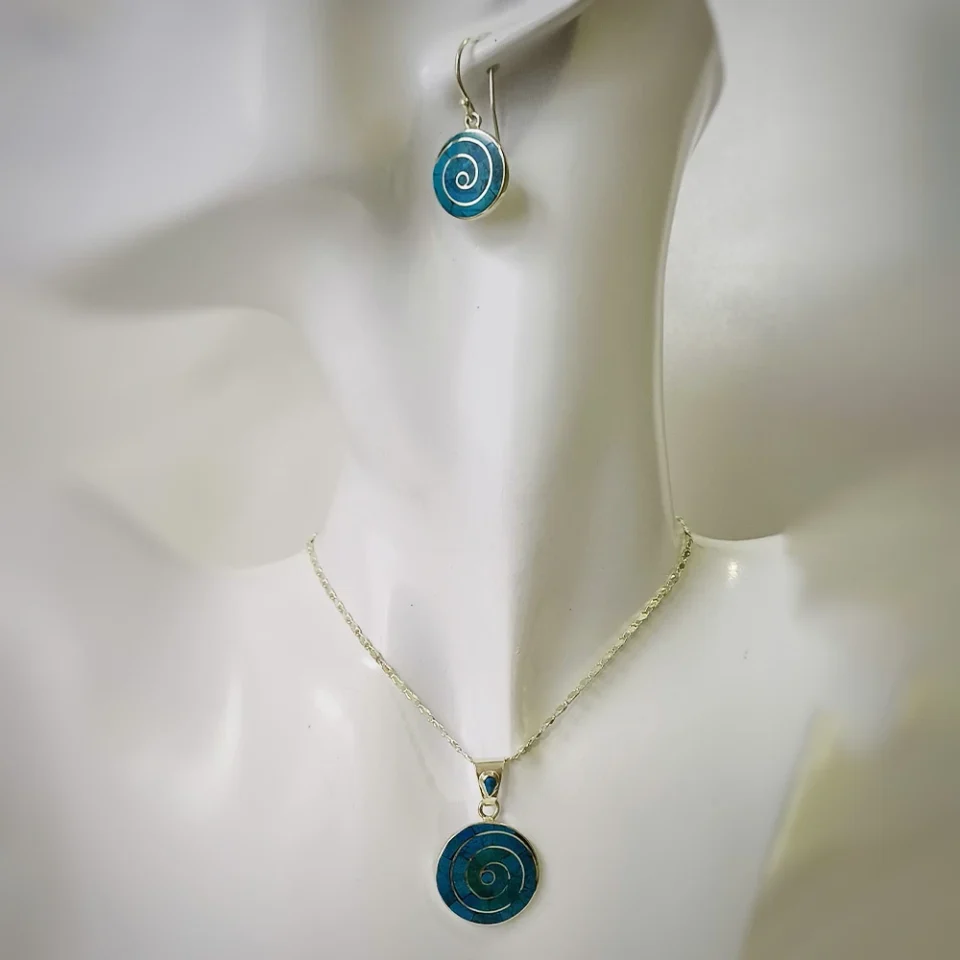
The Inca Mother Earth and Pachamama spiral in the Quechua language is an ancient symbol of unity, wholeness and completion. It represents the endless cycle of life and a path to the Creator.
The heart symbol is an ideograph used to express the idea of the “heart” in its metaphorical or symbolic sense. Represented by an anatomically inaccurate shape, the heart symbol is often used to represent the center of emotion, including affection and love, especially romantic love.