What are you looking for?





Silver & Gemstones
Showing 169–180 of 183 resultsSorted by popularity
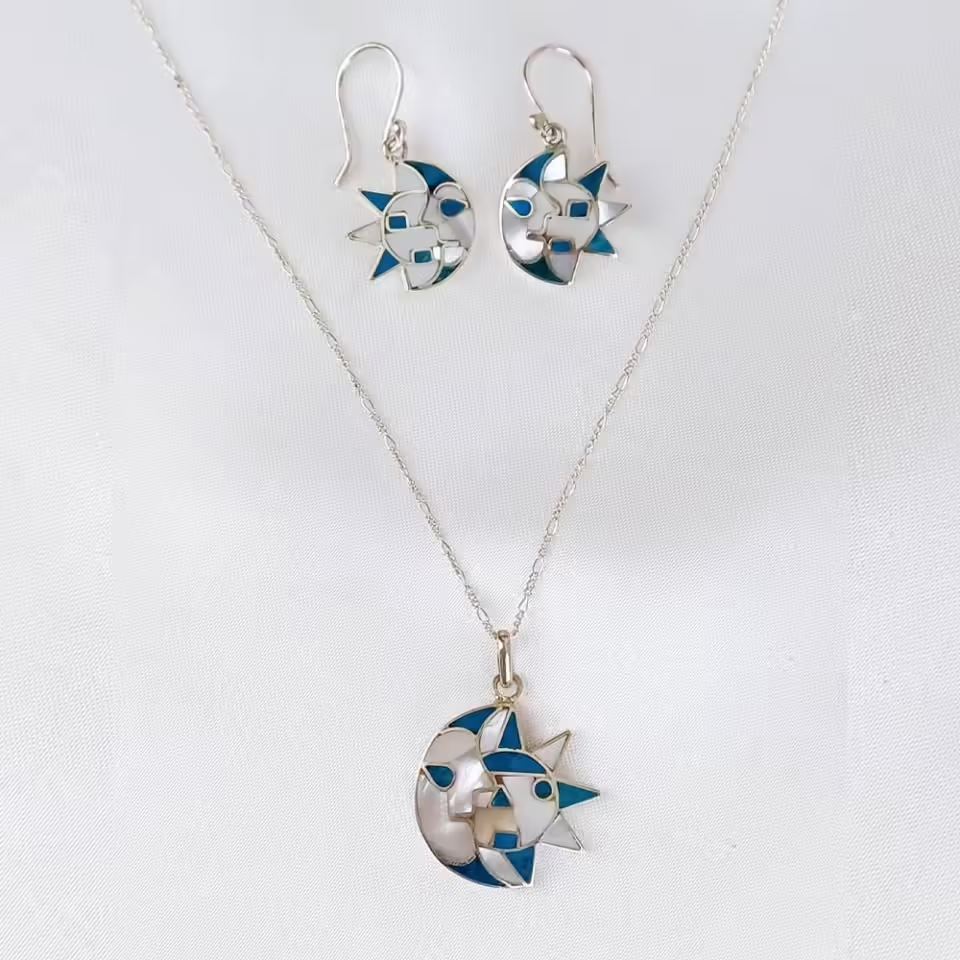
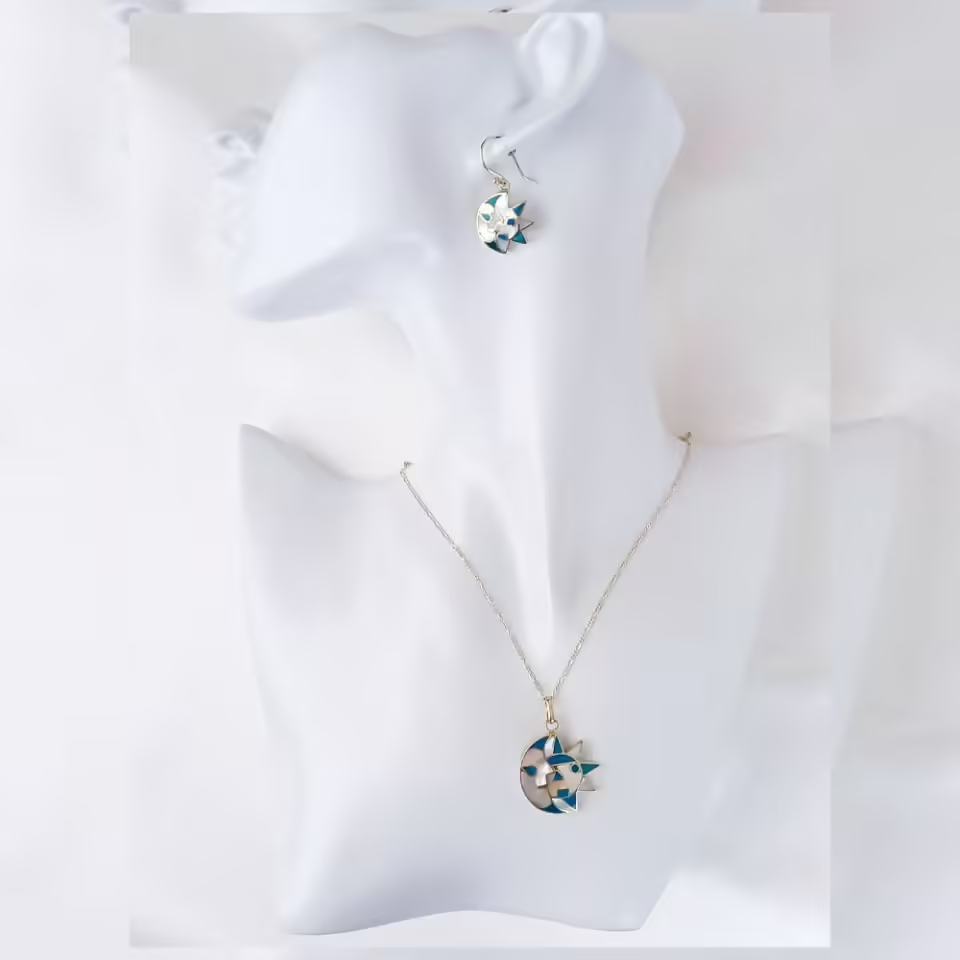
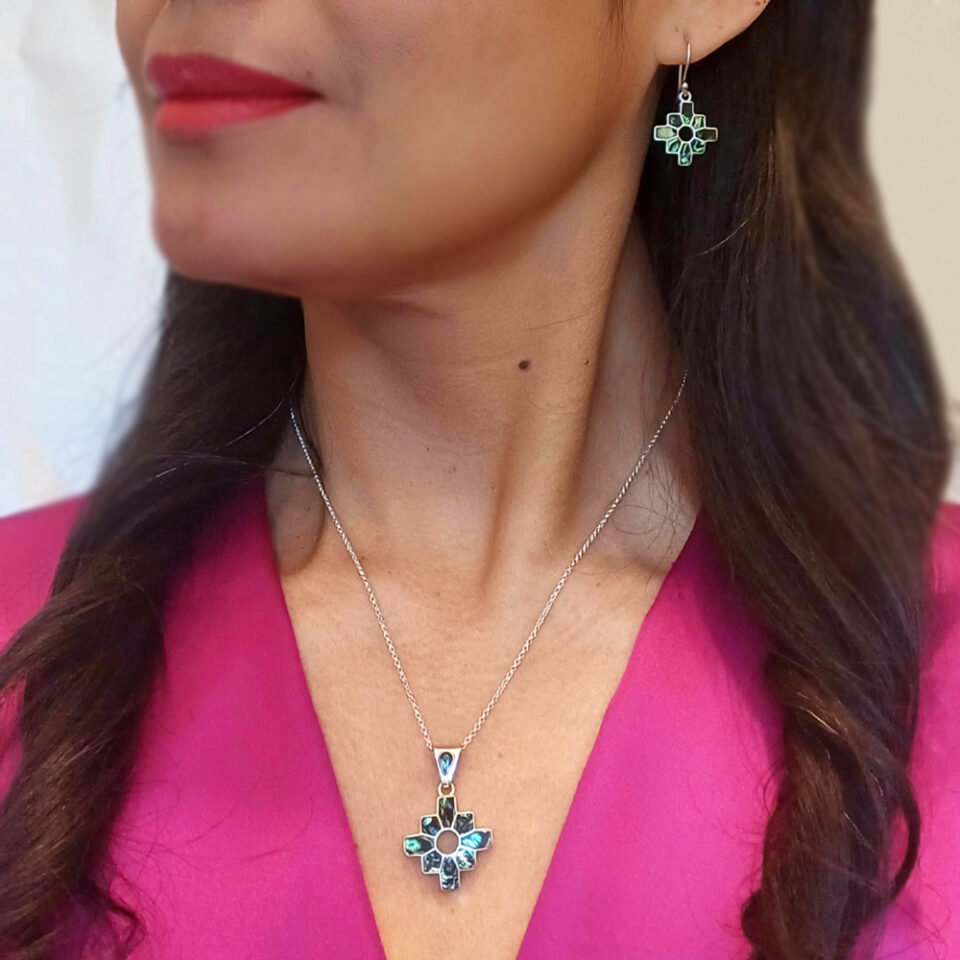
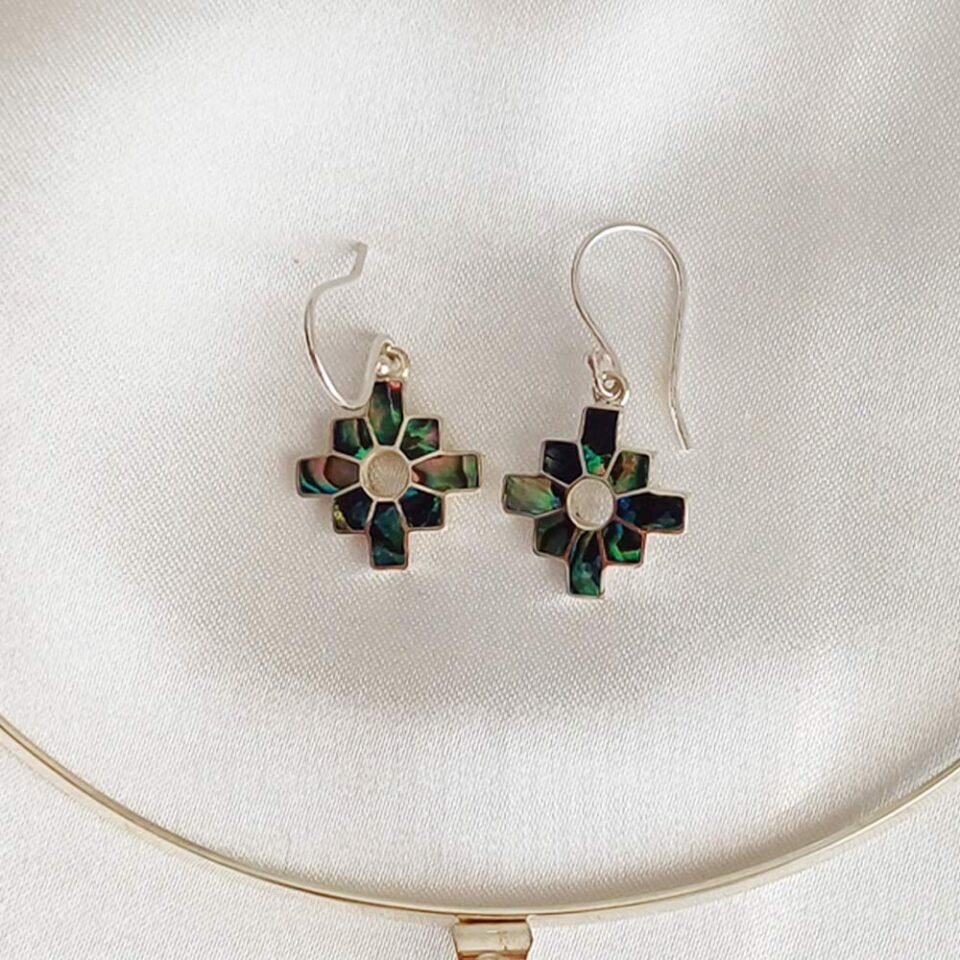
“Chakana Abalon Set of pendant and earrings” has been added to your cart. View cart
-15%
Original price was: 174,00 €.148,00 €Current price is: 148,00 €.
-15%
Original price was: 195,00 €.166,00 €Current price is: 166,00 €.


-15%
Original price was: 142,00 €.121,00 €Current price is: 121,00 €.


-14%
Original price was: 139,00 €.119,00 €Current price is: 119,00 €.
-12%
Original price was: 117,00 €.103,00 €Current price is: 103,00 €.


-15%
Original price was: 244,00 €.208,00 €Current price is: 208,00 €.
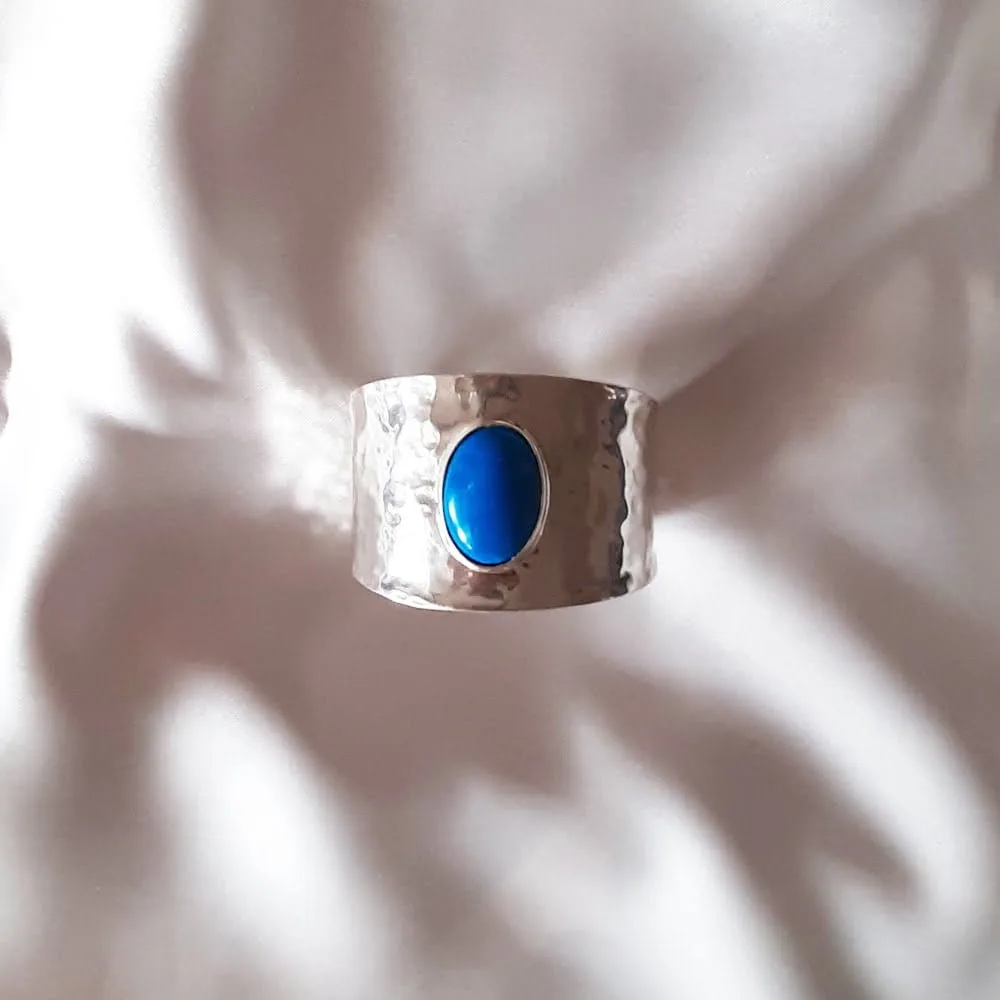

-6%
Original price was: 640,00 €.603,00 €Current price is: 603,00 €.


-14%
Original price was: 844,00 €.724,00 €Current price is: 724,00 €.
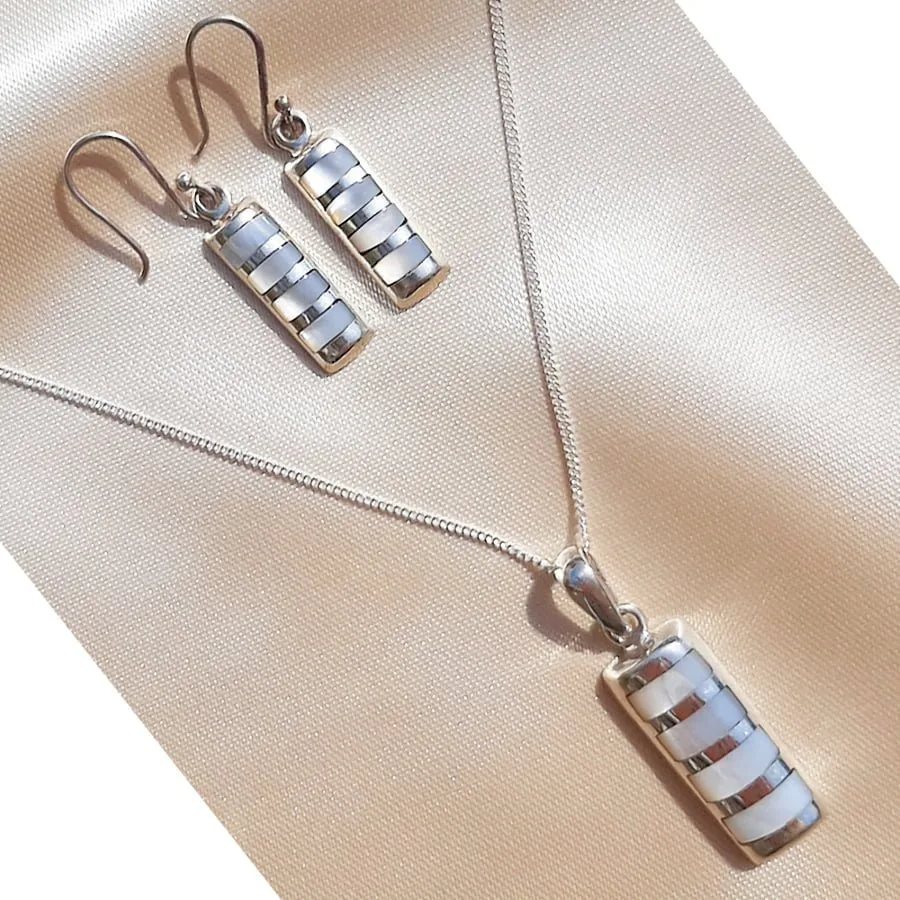
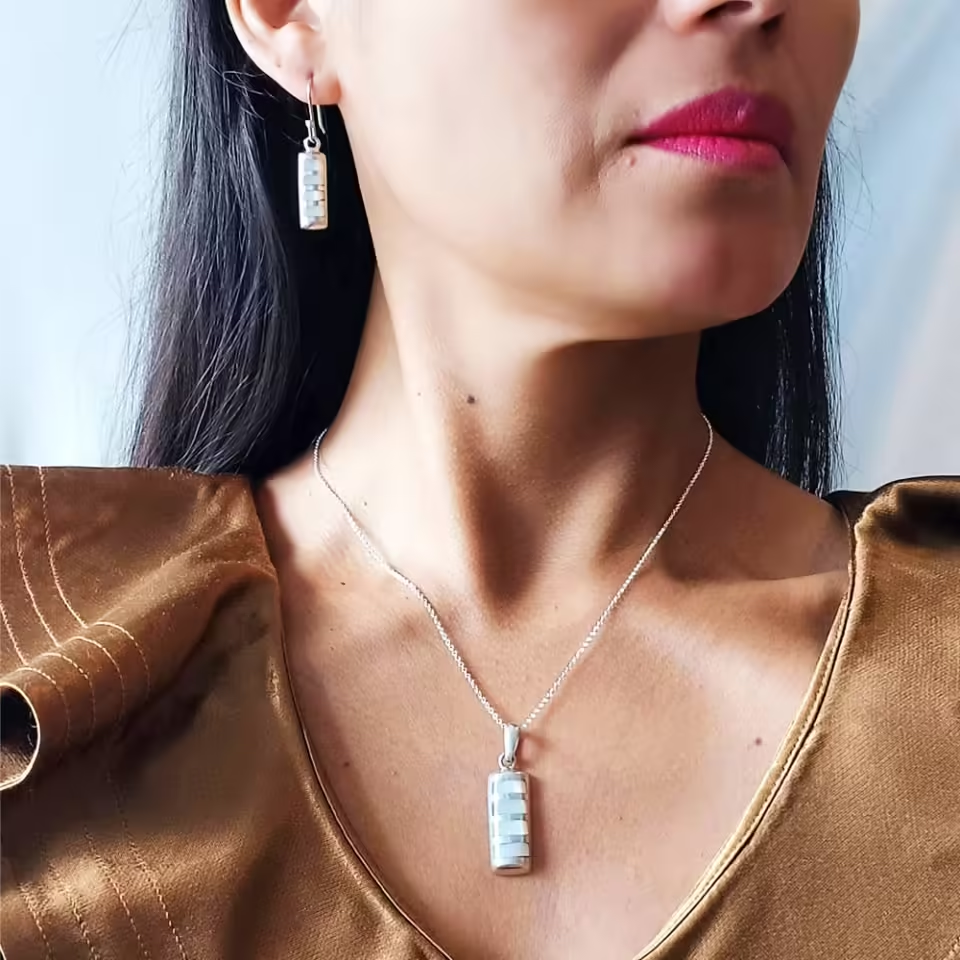
-19%
Original price was: 157,00 €.127,00 €Current price is: 127,00 €.