Showing 37–48 of 146 resultsSorted by popularity
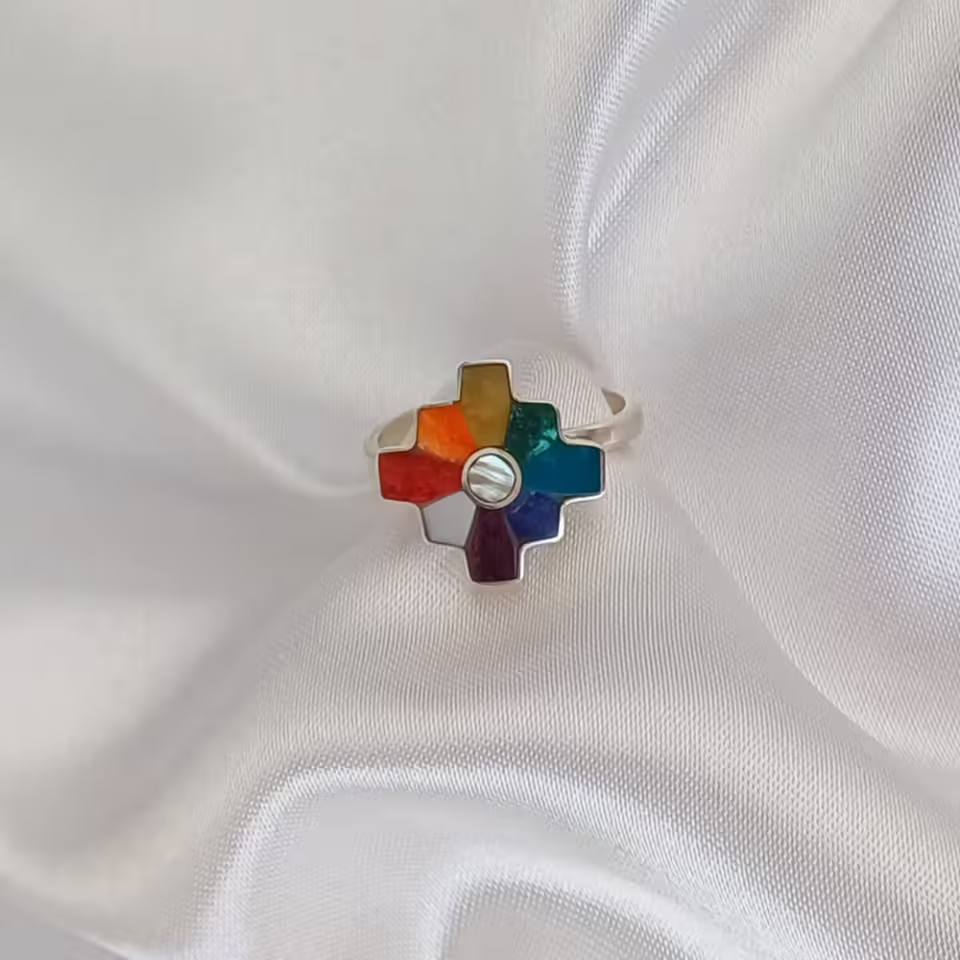
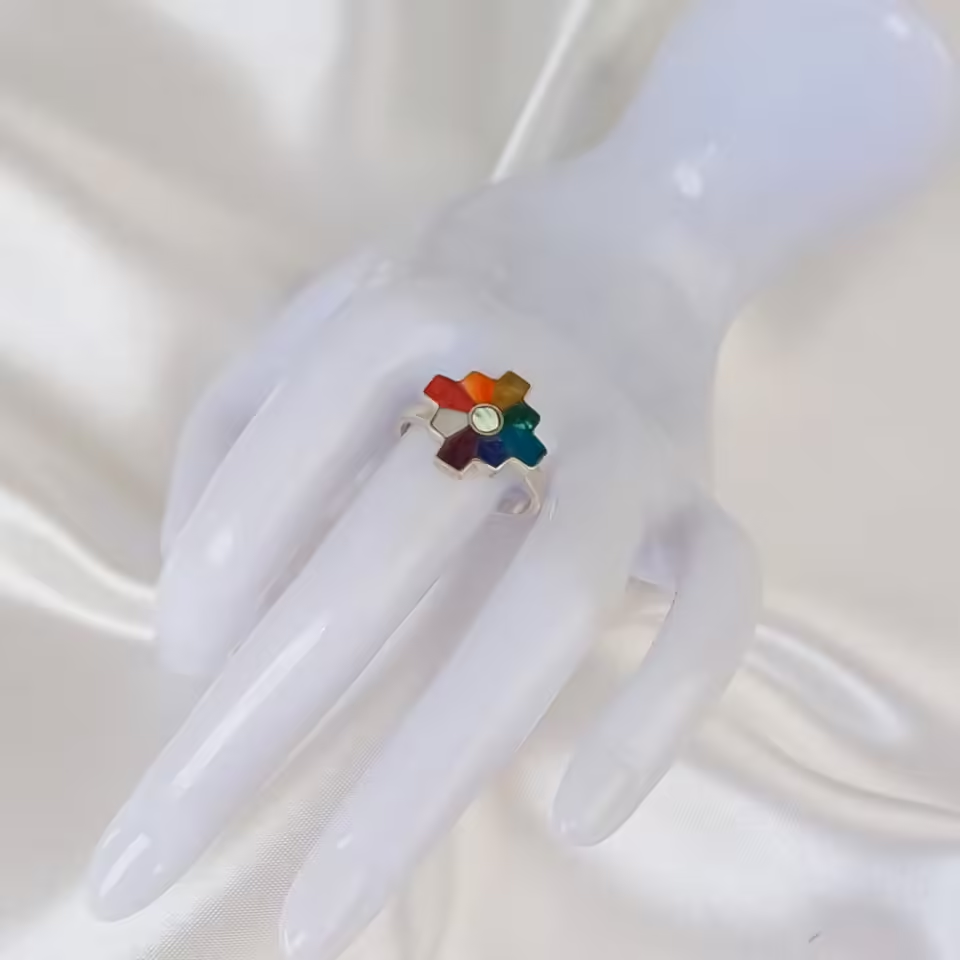
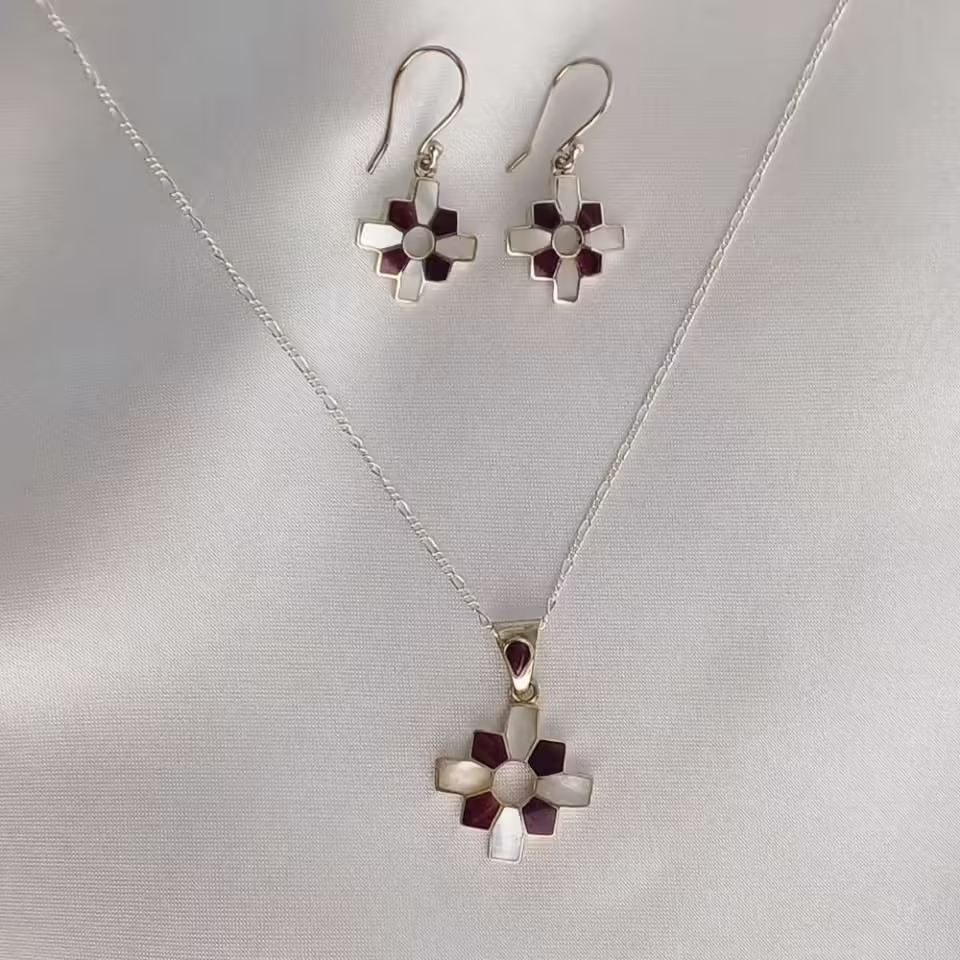
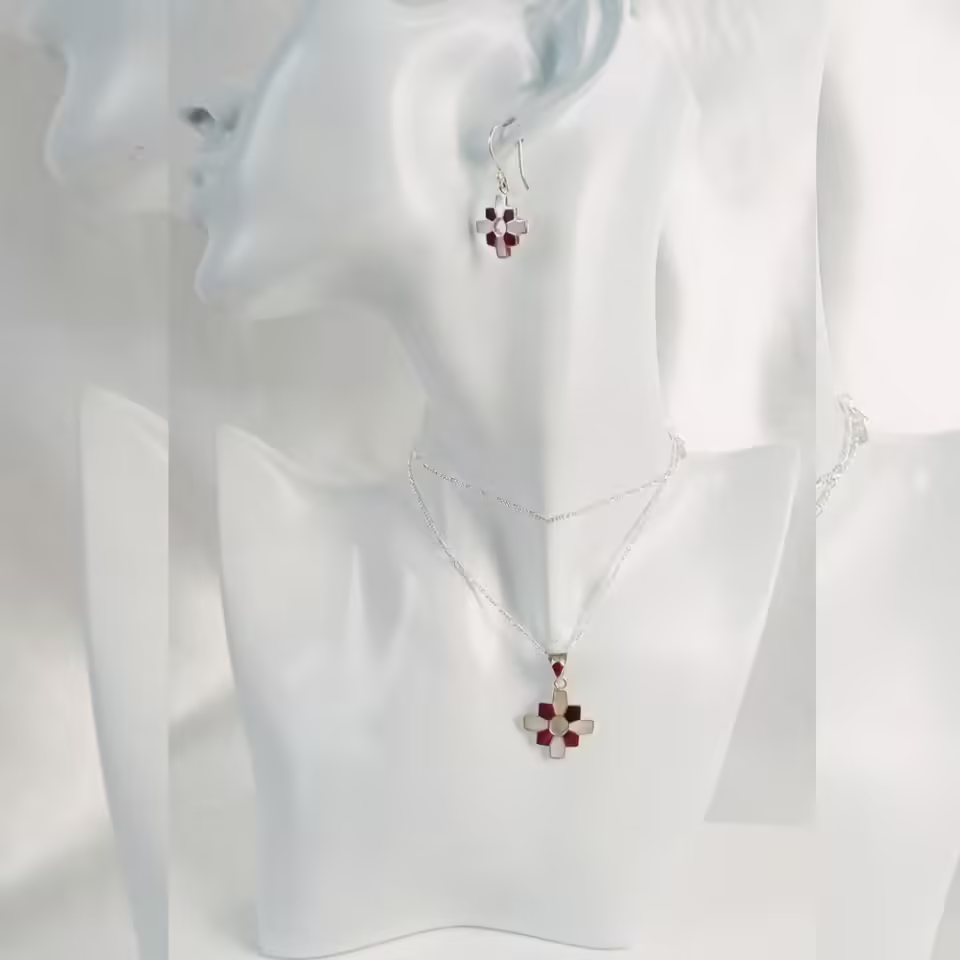
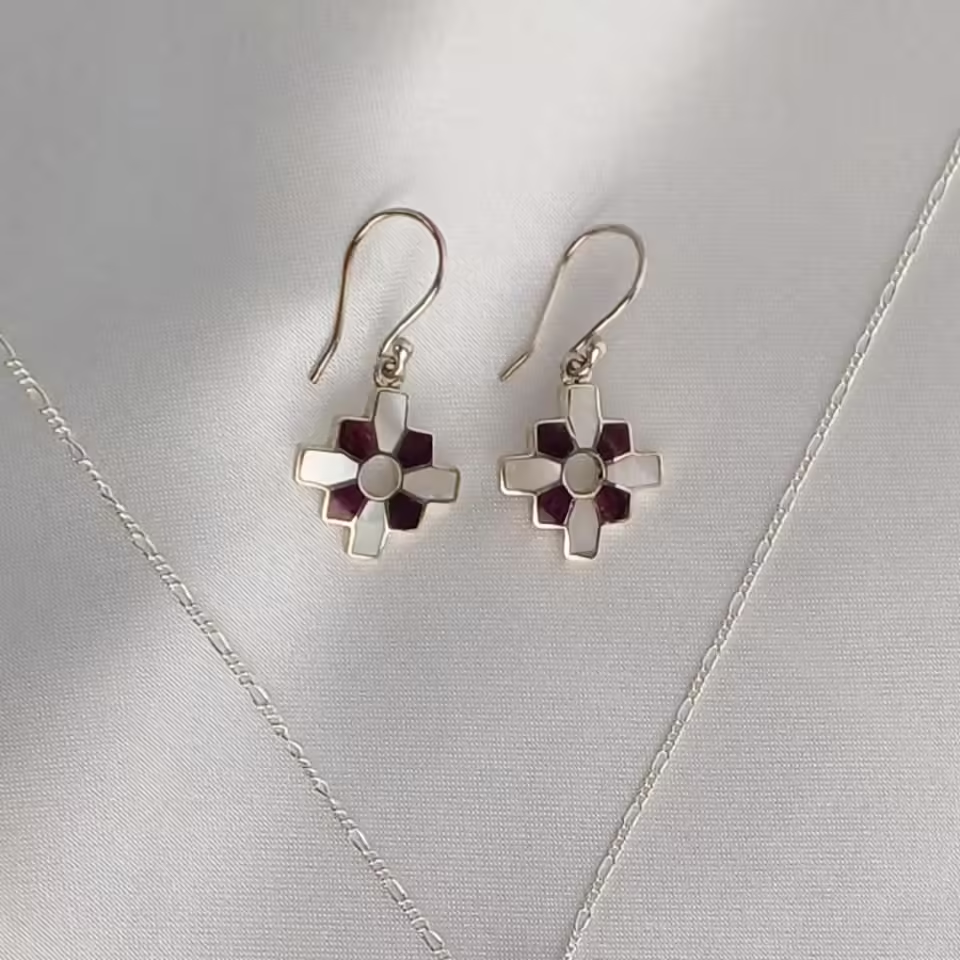
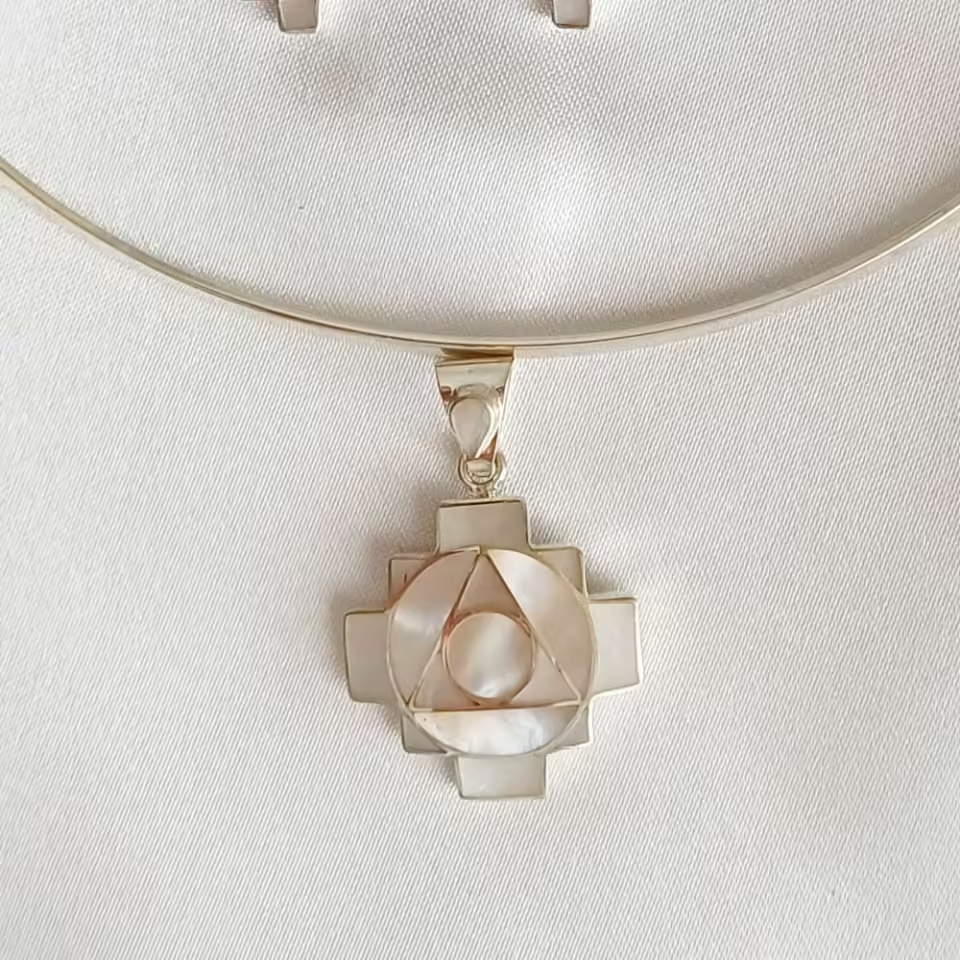
The Andean cross, known as “chakana” in Quechua, signifies a “ladder to the highest.” It’s a four-sided ladder symbol, bridging the human world with the divine, uniting the lower and higher realms, Earth and the Sun.
Leaves mean many things in different cultures, but the most common symbolism they are used for are related to fertility, hope, abundance, growth, peace, victory, death, and rebirth. With mother pearl stone.
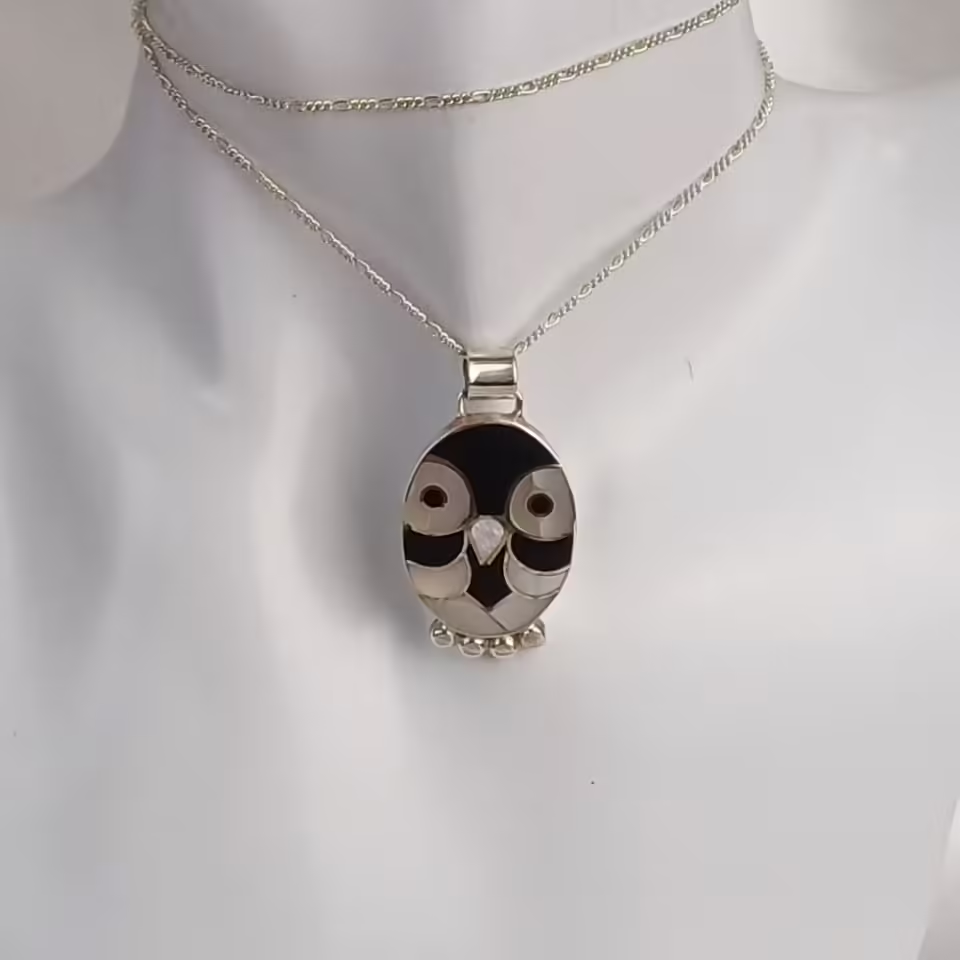
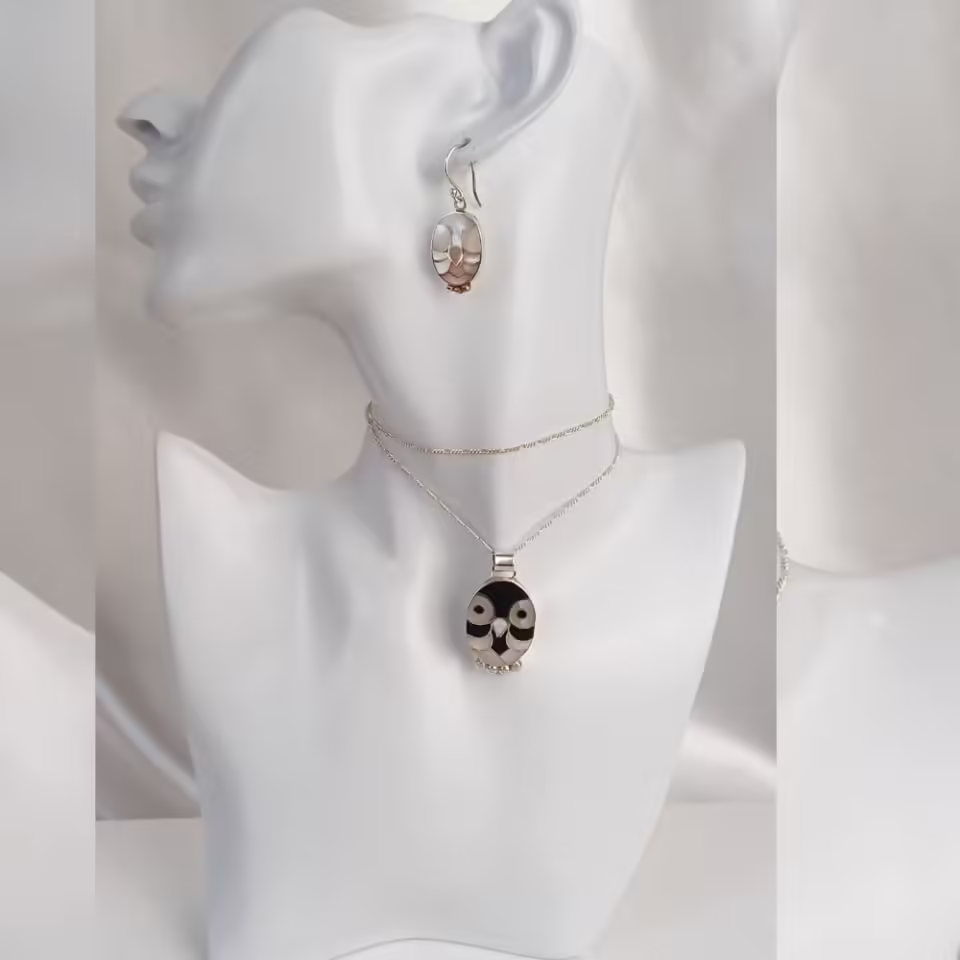
Among the Moche, the owl, known for its nocturnal skills, is depicted in ceramics and metal. It aids shamans in their supernatural journeys and symbolizes sacred power, connecting specific individuals to the divine world.
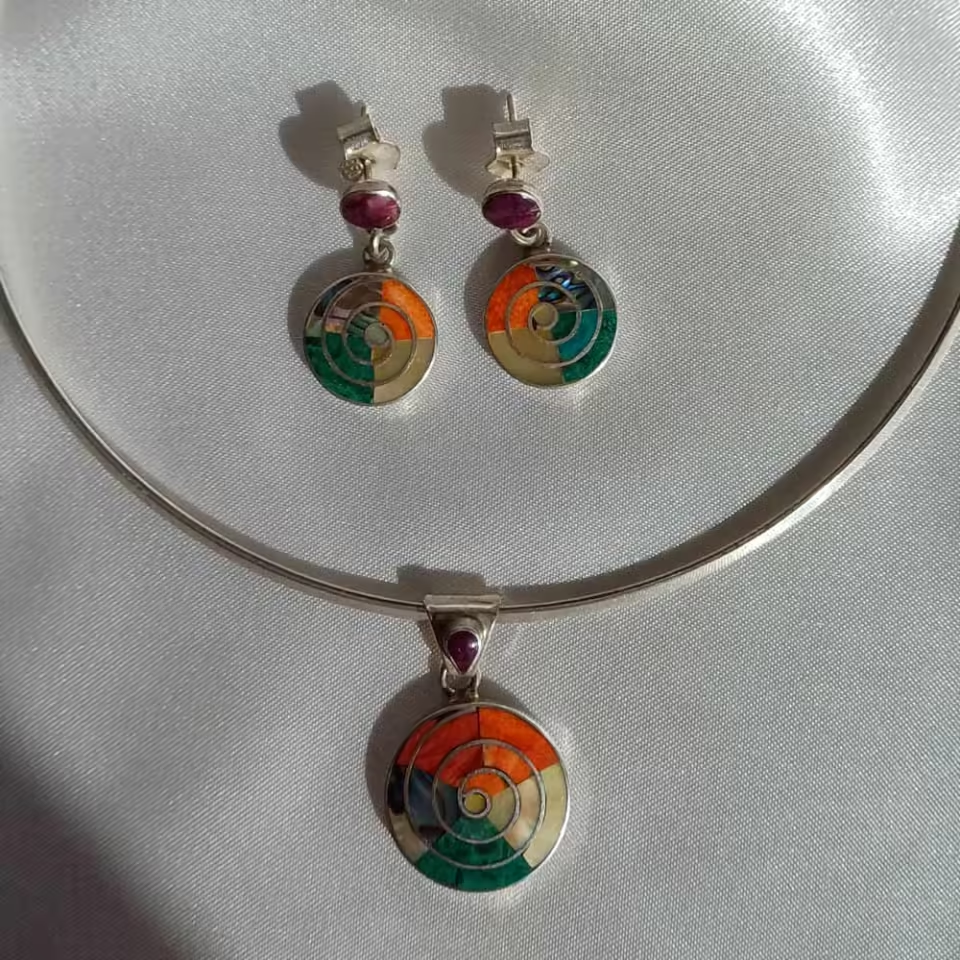
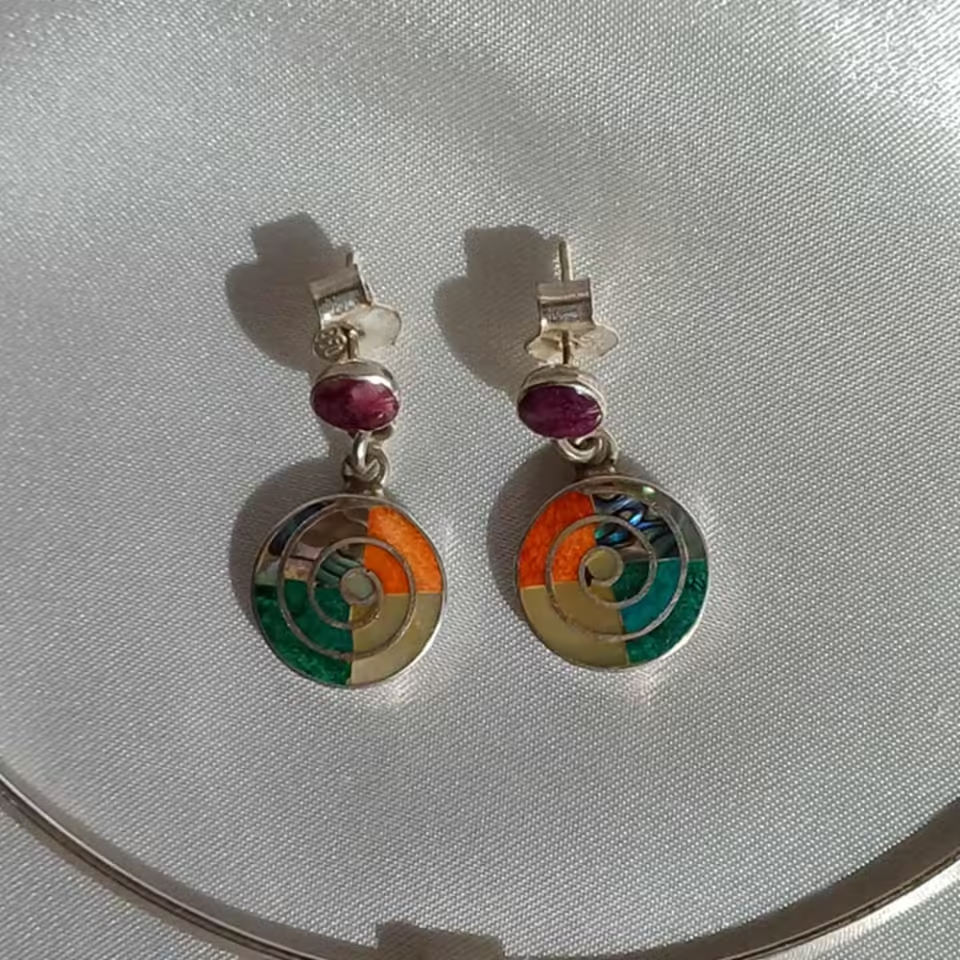
The Inca Mother Earth and Pachamama spiral in the Quechua language is an ancient symbol of unity, wholeness and completion. It represents the endless cycle of life and a path to the Creator. Spiritual combination of these colors: The combination of purple, orange, abalone and green could symbolize a spiritual journey that integrates intuition and wisdom (purple), with creativity and vitality (orange), transformation and flexibility (abalone), and healing and unconditional love (green). Together, these colors could represent a holistic balance between body, mind and spirit, promoting both personal evolution and connection with the divine and natural.
Set does not include chain or necklace
– Set does not include chain or necklace.
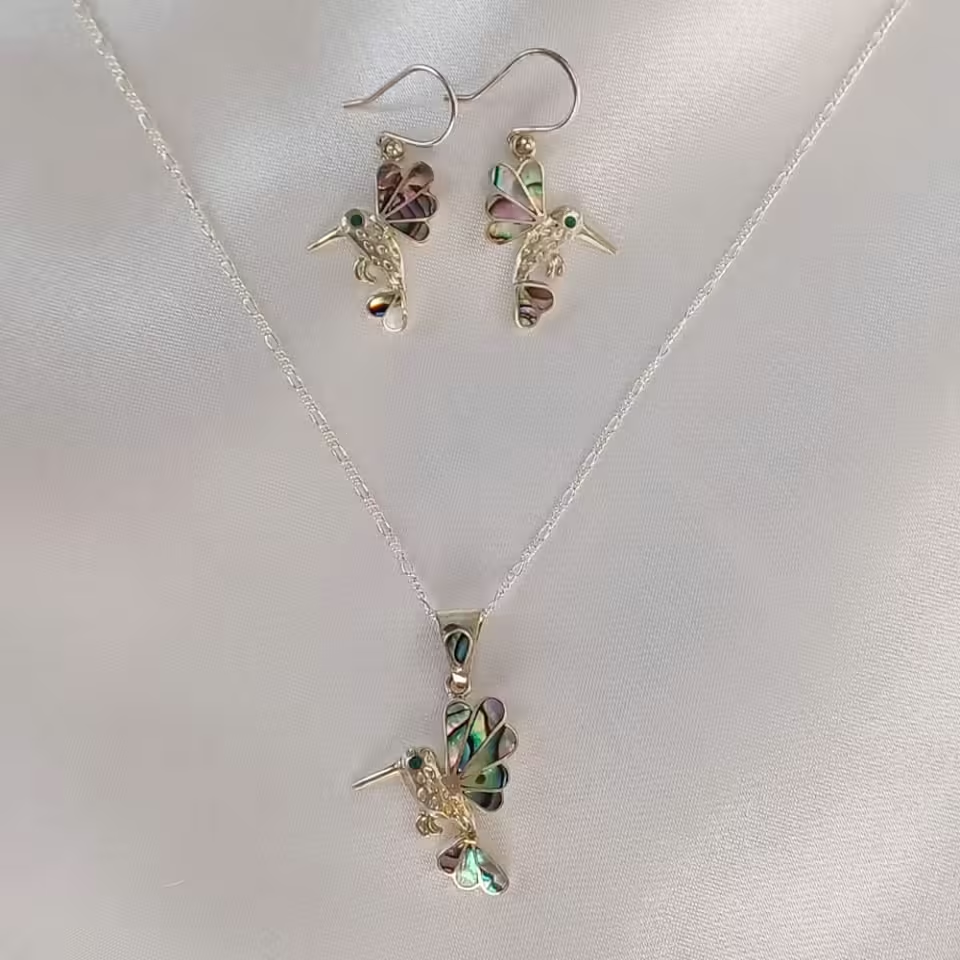
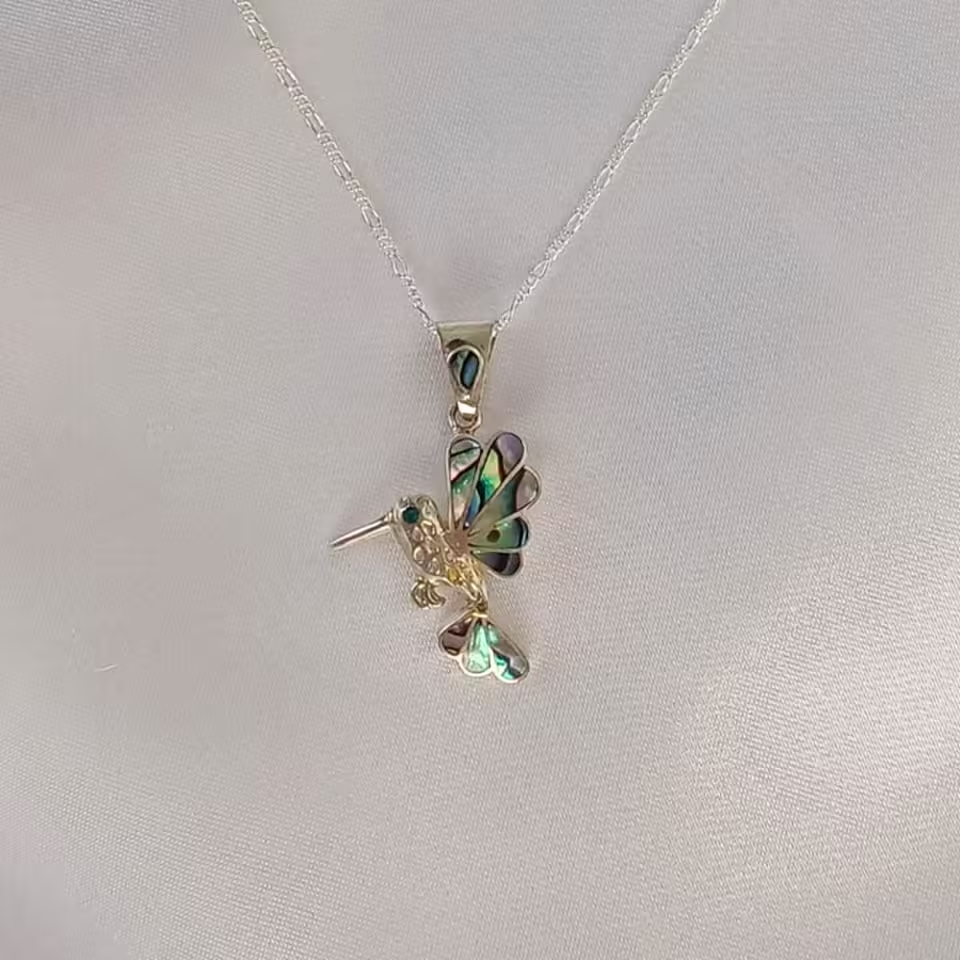
Inca culture viewed the hummingbird as a celestial messenger, while the condor was the primary spiritual messenger from the upper world. The hummingbird was significant for advancing human consciousness.
– Does include chain or necklace