Showing 61–72 of 103 resultsSorted by popularity
The Quipu, or khipu, was used by the Incas and Andean cultures to record and convey information. This ingenious device, without a written language, utilized colors, strings, and knots at different heights to record various data, including dates, statistics, accounts, and even abstract folk stories and poetry.
The Lambayeque people of 750 AD were skilled in metallurgy and goldsmithing, creating the “Tumi,” a ceremonial dagger for sacrifices to God Naylamp. It symbolized divine power, hierarchy, prestige, and lineage, exclusively held by the nobility.
A mandala symbolizes the ideal universe and its creation represents a shift from suffering to joy. It serves as a meditation aid, guiding the meditator toward self-improvement.
The Incas considered the condor (Kuntur) a sacred bird that linked the upper world (Hanan Pacha) with the earthly realm (Kay Pacha). This majestic black bird, residing in the Andes Mountains, had the extraordinary ability to fly to heights of 5,000 meters, serving as the sole intermediary connecting the mortal world to the divine, including the gods and stars.
Among the Moche, the owl, known for its nocturnal skills, is depicted in ceramics and metal. It aids shamans in their supernatural journeys and symbolizes sacred power, connecting specific individuals to the divine world.
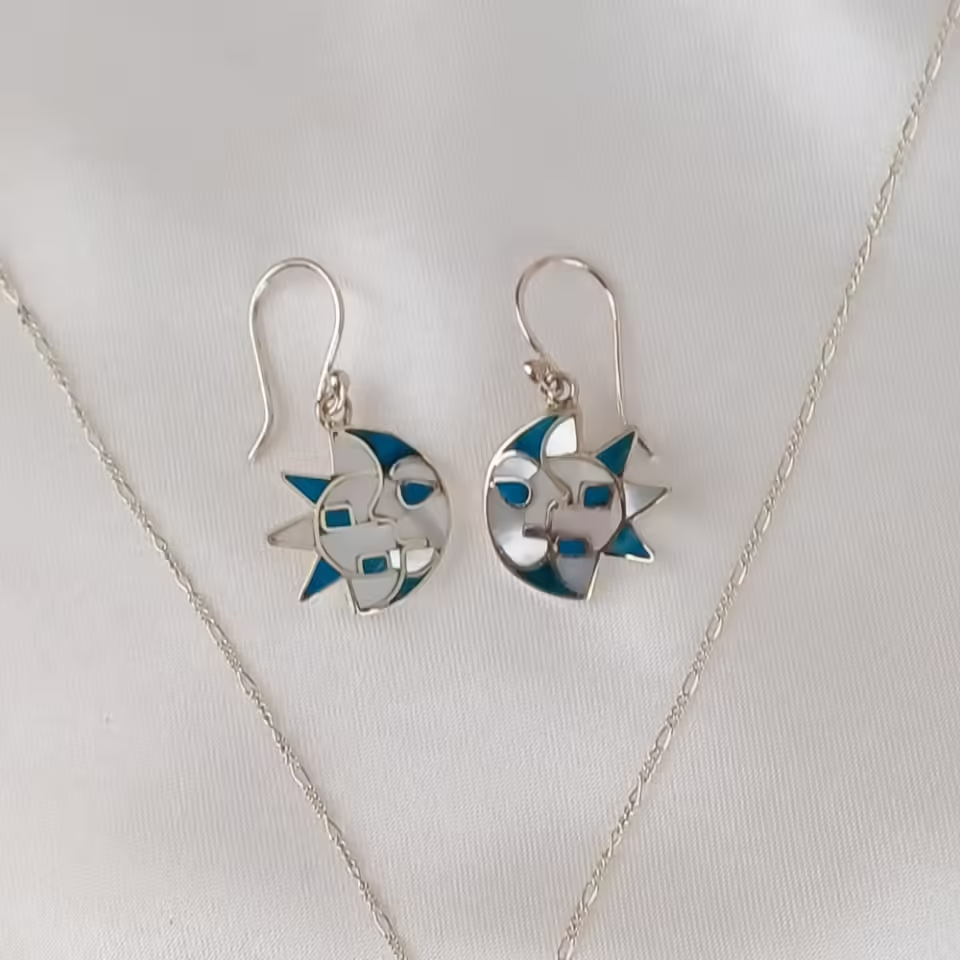
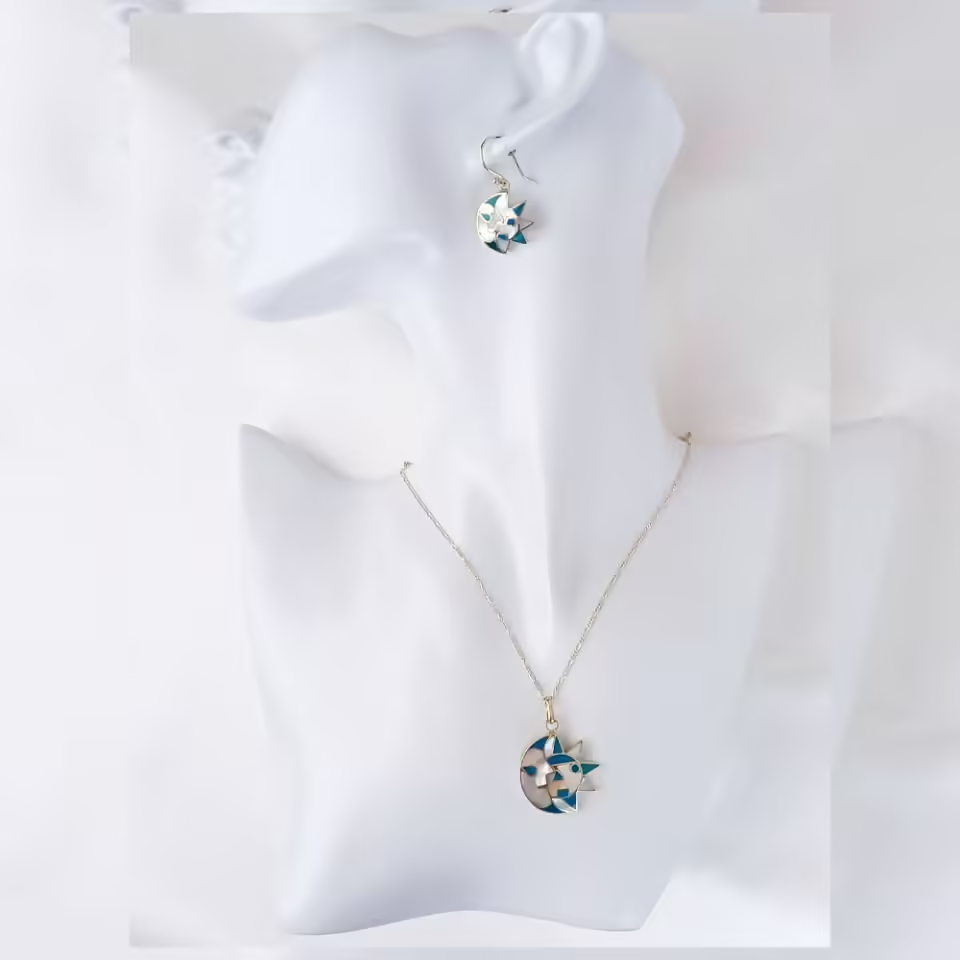
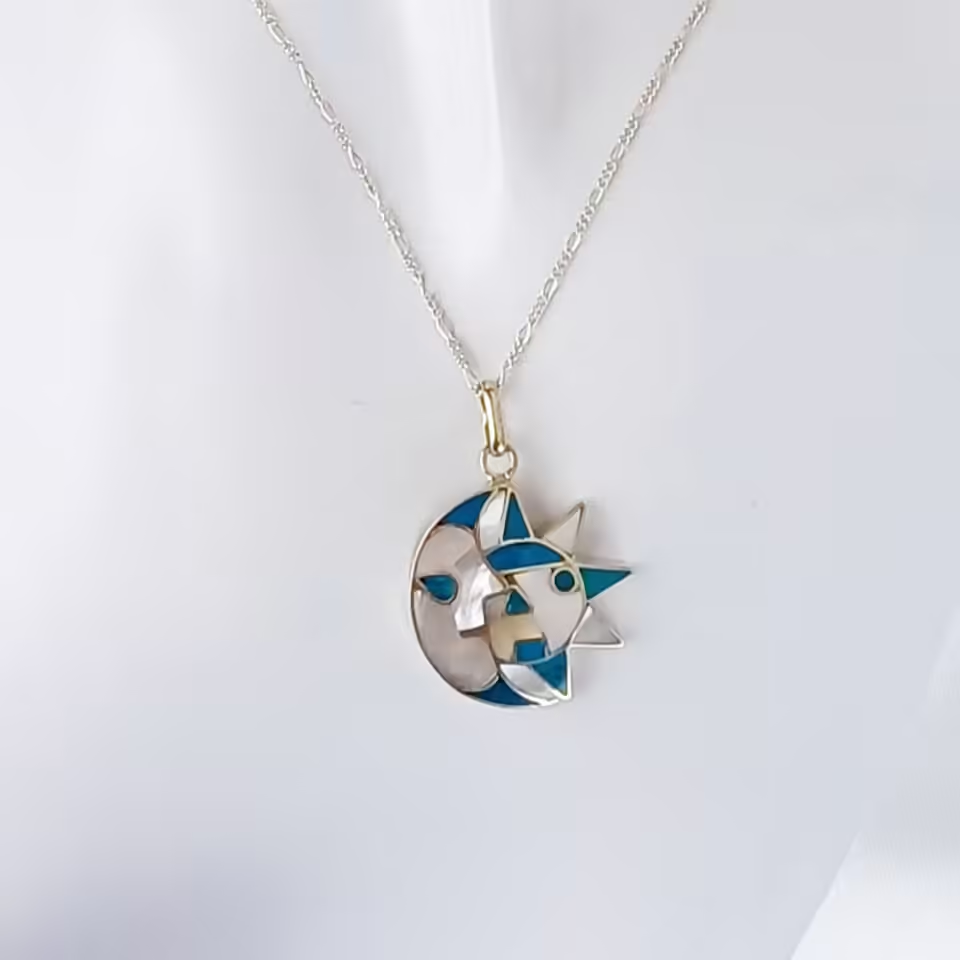
In Inca belief, the Sun (Inti in Quechua) was the primary deity, seen as the husband of the moon. The Sun held the power to heal, control crops, and provide relief to people.
The Inca spiral signifies unity and the eternal cycle of life, connecting with water and the feminine. Abalone shells help calm emotions and create tranquility.
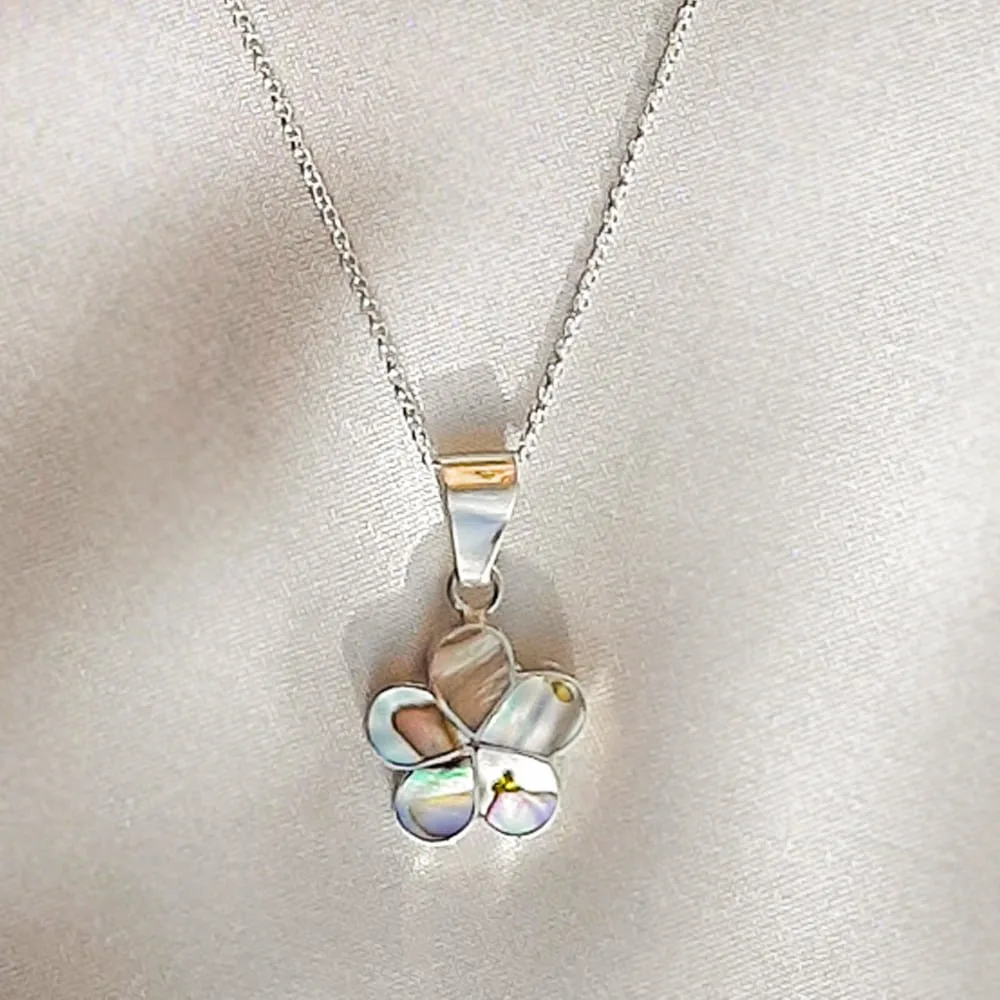
The daisy flower symbolizes purity, innocence and is used to seduce, in the case of white ones. The pink ones are for a very shy and innocent love and the blue ones symbolize fidelity.